Vitamin C Serum With Kojic Acid: 7 Smart, Gentle Tips
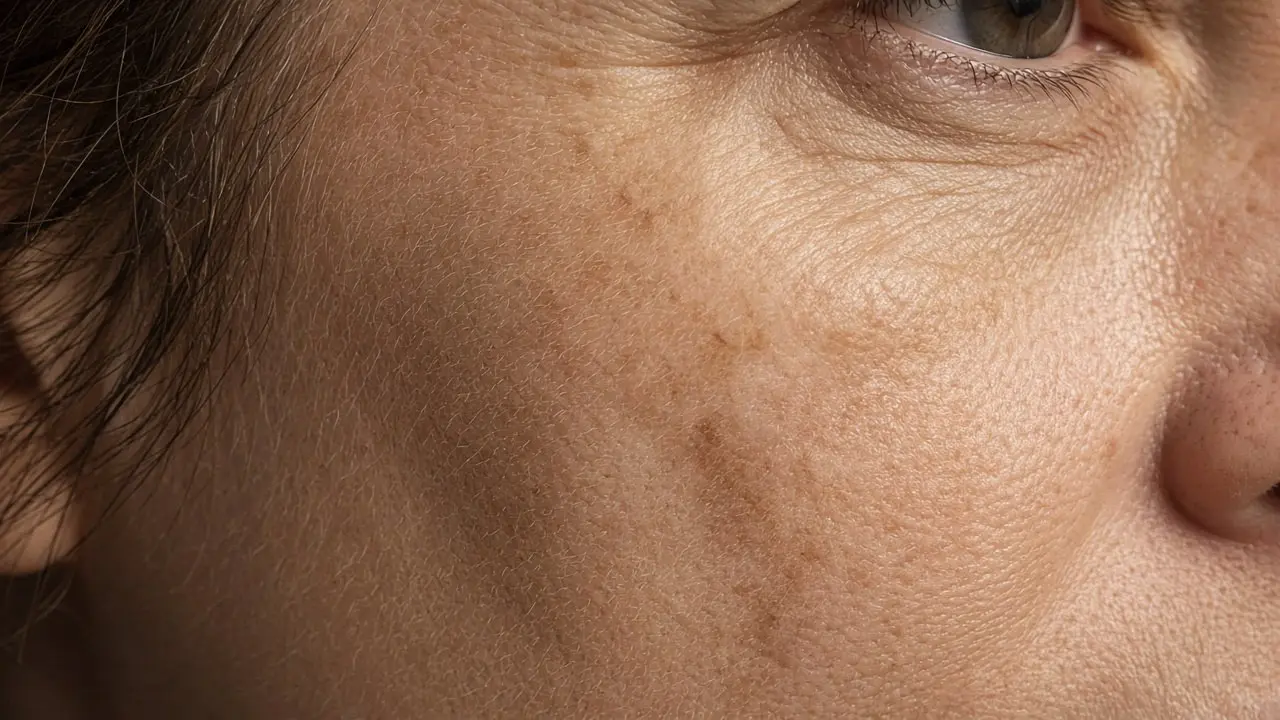
If sun spots or a melasma shadow keep showing up in your mirror, a vitamin C serum with kojic acid may be the brightening duo your feed keeps suggesting. Many of us over 40 want a more even tone without harsh peels.
Kojic acid is a pigment fader found in many dark spot creams. Vitamin C is the antioxidant brightener many of us already use each morning.
Here’s what each one does, what the studies show, why kojic acid carries an allergy warning, and how to use vitamin C serum with kojic acid in a simple routine.
Table of Contents
Can You Use Vitamin C Serum With Kojic Acid?
Yes, most people can. We found no study showing the two cancel each other out, and the American Academy of Dermatology (AAD) lists both kojic acid and vitamin C among nonprescription ingredients that can fade dark spots.
Most guides suggest the easy split: vitamin C in the morning and kojic acid at night. Once your skin is used to both, some people layer vitamin C serum with kojic acid in the same routine.
Quick note: our serum doesn’t contain kojic acid. When we talk about using vitamin C serum with kojic acid, we mean pairing it with a separate kojic acid product.
What Kojic Acid Is and How It Works
A Pigment Fader Made by Fungi
Kojic acid is a natural compound made by fungi, including Aspergillus molds. The EU’s Scientific Committee on Consumer Safety (SCCS) notes it has been widely used as a skin lightening ingredient in cosmetics.
It isn’t new: a 1995 study notes skin care products in Japan have used it since 1988.
How It Works on Pigment
Tyrosinase is the enzyme your skin uses to make melanin. According to the SCCS, kojic acid blocks it in a slow, reversible way, which is why it’s used to fade spots.
Where Vitamin C Fits
Vitamin C is one of the skin’s most powerful antioxidants. A 2017 review says it helps protect against sun-related aging, increases collagen production, and decreases melanin formation.
The same review says clinical studies on topical vitamin C are still limited, and stability is the big challenge. Lab researchers describe 3-O Ethyl Ascorbic Acid, the form in our serum, as a stable vitamin C derivative developed for topical products.
In a small 2004 trial, 16 women with melasma used 5% ascorbic acid cream on one side of the face and 4% hydroquinone on the other. Hydroquinone did better on self-rating, but colorimeter readings showed no statistical difference, and vitamin C caused far fewer side effects.
What the Research Shows on Kojic Acid for Dark Spots
Older Trials Against Hydroquinone
In a 1996 split-face study, 39 people used glycolic acid with kojic acid on one side and glycolic acid with hydroquinone on the other. About half responded equally, the difference wasn’t statistically significant, and the kojic side was more irritating.
A 2010 trial randomly assigned 80 people with mild to moderate uneven tone to a kojic acid, emblica, and glycolic acid formula or 4% hydroquinone for 12 weeks, and reported similar results for both.
Kojic Acid in Combination Formulas
In a 1999 study, 40 Chinese women with melasma used a gel with 10% glycolic acid and 2% hydroquinone on both sides of the face. Adding 2% kojic acid to one side helped: 60% cleared more than half their melasma on that side, versus 47.5% without it.
A 2025 split-face pilot of 30 people with melasma found a cream with 5% alpha arbutin and 2% kojic acid performed similarly to a prescription triple combination cream on melanin scores. It caused less redness and stinging, though doctors’ overall ratings favored the prescription side. Our vitamin C serum with alpha arbutin guide covers that partner.
A 2022 review of 80 melasma papers found kojic acid and vitamin C both work as add-on treatments with minimal side effects. Hydroquinone and triple combination cream still lead the evidence.
Is There Research on Vitamin C Serum With Kojic Acid Together?
Not on two separate products. We found no trial testing a vitamin C serum with kojic acid layered from two bottles, or comparing the pair with each alone.
The closest is a 2013 study of 60 people with melasma. Patients were alternately assigned a nightly cream with 0.75% kojic acid plus 2.5% vitamin C, or 4% hydroquinone. After 12 weeks, hydroquinone worked faster and better.
So vitamin C serum with kojic acid makes sense on paper, but think of it as a helper, not a hydroquinone replacement.
Kojic Acid Safety: Allergies and the 1% Limit
Contact Allergy Is Real
In a 1995 Japanese patch test study, 5 of 8 women who had used kojic acid skin care reacted to it. Their facial rashes appeared 1 to 12 months after they started, and the authors called its sensitizing potential high.
Doctors in Spain have also reported allergic reactions, including pigmented contact dermatitis, which they called a paradoxical side effect of a skin lightener.
What Safety Panels Say
The Cosmetic Ingredient Review expert panel concluded kojic acid is safe in cosmetics up to 1%. It noted that kojic acid is slowly absorbed through human skin.
In 2022, the SCCS also judged kojic acid safe as a skin lightener at up to 1%, after weighing possible thyroid effects seen in animal studies. It added that allergic reactions to kojic acid in people are very uncommon.
The SCCS flagged one more point. Kojic acid is sometimes added to peels, and a weakened skin barrier may absorb more of it.
7 Smart, Gentle Tips for Vitamin C Serum With Kojic Acid
1. Patch Test Longer Than You Think
The AAD suggests testing a new product on a quarter-sized spot, like the bend of your elbow, twice daily for seven to 10 days. No reaction? You can move it to your face.
Since kojic acid allergies can show up months later, keep an eye out for new itching or redness. Stop if it appears.
2. Choose 1% Kojic Acid or Less
Look for kojic acid at 1% or less, the level both safety panels judged safe. Skip mystery creams with no ingredient list.
The AAD warns that some imported spot faders have contained hidden steroids or mercury. Buy U.S.-made products or ones your dermatologist recommends.
3. Split Vitamin C Serum With Kojic Acid Between Morning and Night
Start with vitamin C in the morning and kojic acid at night. If you later combine vitamin C serum with kojic acid in one routine, apply the thinner product first and let it dry before the next layer.
4. Keep Peels and Strong Acids on Other Nights
The AAD’s melasma self-care tips say a product that burns or stings is irritating your skin, which may darken dark spots. So choose gentle, fragrance-free products.
Given the SCCS note about weakened skin, keep peels, strong acids, and retinoids off your kojic acid nights. Add one new product at a time as you start vitamin C serum with kojic acid.
5. Make Tinted Sunscreen Your Daily Partner
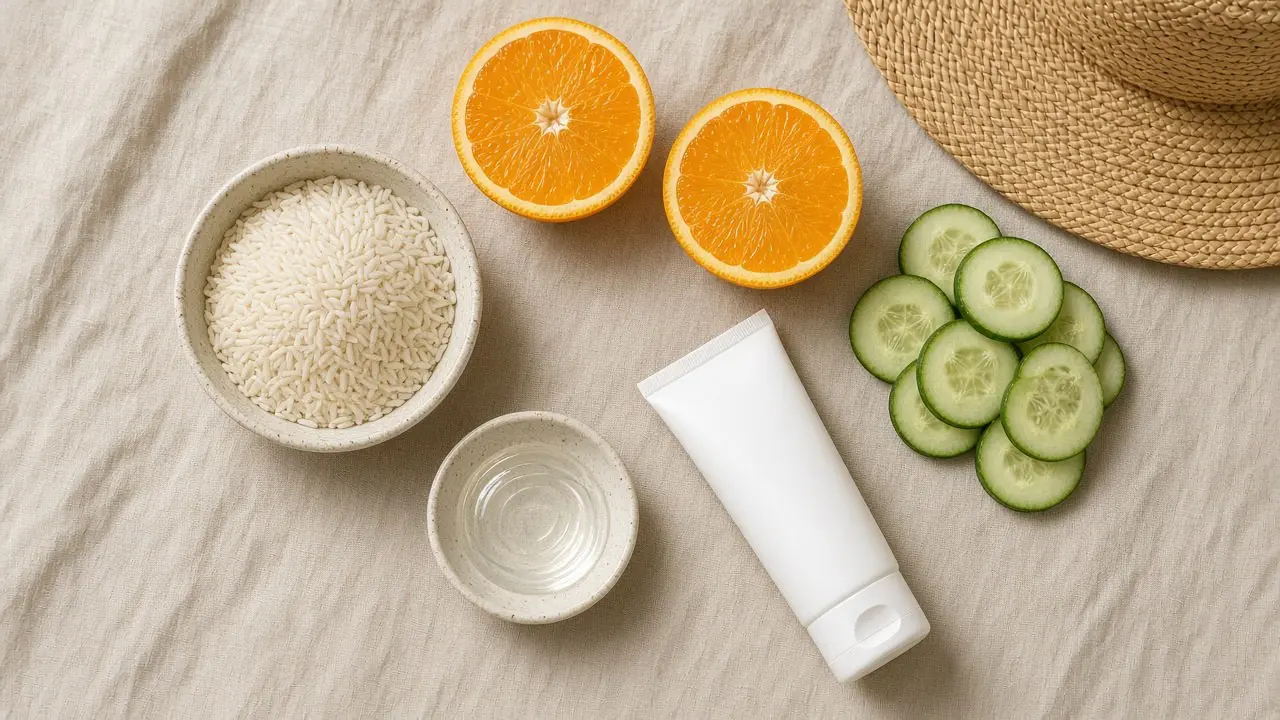
The AAD’s dark spot guide says effective treatment begins with sunscreen. It recommends a tinted sunscreen with iron oxide, which helps block the visible light that can cause dark spots.
The AAD’s melasma tips add broad-spectrum, water-resistant SPF 30 or higher. No vitamin C serum with kojic acid replaces it, and our post on vitamin C serum and sunscreen covers the right order.
6. Add a Hat and Smart Timing
The AAD recommends a wide-brimmed hat, shade, and reapplying sunscreen at least every two hours. Mayo Clinic suggests avoiding the sun between 10 a.m. and 2 p.m.
7. Give It at Least Three Months
Most studies above ran about 12 weeks. The AAD says melasma treatment usually takes 3 to 12 months to show results, and longer if you’ve had melasma a long time.
Snap a photo in the same window light on day one. Vitamin C serum with kojic acid rewards patience, not daily mirror checks.
A Simple Routine for Vitamin C Serum With Kojic Acid
Morning
- Cleanse gently and pat dry.
- Apply vitamin C serum.
- Follow with a fragrance-free moisturizer.
- Finish with a tinted, broad-spectrum SPF 30 or higher.
Evening
- Wash with a mild cleanser and pat dry.
- Apply your kojic acid product.
- Seal in moisture with your night cream.
If your skin stays calm for a few weeks, you can try vitamin C serum with kojic acid in the same evening routine. Go back to the split if you notice stinging.
What About Kojic Acid During Pregnancy?
Honestly, we couldn’t find a study of kojic acid safety in pregnancy. A PubMed search for “kojic acid pregnancy” turned up no pregnancy safety trials.
The AAD says if you’re pregnant, it’s best to wait until after your baby arrives to treat melasma. It’s hard to know whether a nonprescription treatment is safe, and melasma may fade after birth. Ask your obstetrician before starting vitamin C serum with kojic acid.
Where Trendy Blends Fits Into Your Routine
Our Trendy Blends 18% Vitamin C Serum covers the vitamin C half. It uses 3-O Ethyl Ascorbic Acid, a stable form of vitamin C, with niacinamide, hyaluronic acid, aloe, and cucumber.
It doesn’t contain kojic acid, so pair it with a separate kojic acid product. It’s fragrance-free and comes in a 1 oz airless pump, and 1–2 pumps covers your face.
If your skin is reactive, read our guide to vitamin C serum for sensitive skin first. The serum is $24.99 with free shipping in 3–4 business days, backed by our 60-Day Glow Guarantee with free returns.
When to Check With a Dermatologist
Mayo Clinic says age spots are very common after 50 and don’t need treatment, but they can look like skin cancer. See a doctor if a spot is black, growing, oddly shaped, multicolored, or bleeding, since these can be signs of melanoma.
For stubborn melasma, the AAD’s melasma treatment page says a dermatologist may prescribe hydroquinone, triple combination cream, or gentler options like azelaic acid, kojic acid, or vitamin C. Our post on vitamin C serum for melasma explains more.
Frequently Asked Questions
Can I use vitamin C serum with kojic acid?
Yes, most people can use vitamin C serum with kojic acid. Start with vitamin C in the morning and kojic acid at night, and patch test each product first.
Should I use kojic acid in the morning or at night?
Many guides suggest kojic acid at night and vitamin C in the morning. Whichever you choose, wear sunscreen every day and follow your product’s label.
Which is better for dark spots, vitamin C or kojic acid?
We found no trial comparing the two on their own. The AAD lists both as nonprescription ingredients that can fade dark spots, and vitamin C was very gentle in a small melasma trial.
Is kojic acid safe for skin?
At 1% or less, two expert safety panels consider it safe in cosmetics. Allergic rashes are uncommon but have been reported, sometimes months after starting.
Can kojic acid make dark spots worse?
It can if your skin reacts. Irritation may darken dark spots, and doctors have reported pigmented contact dermatitis, a rash that left darker skin, from kojic acid.
How long does vitamin C serum with kojic acid take to work?
Plan on at least three months. Most studies ran about 12 weeks, and the AAD says melasma treatment usually takes 3 to 12 months to show results.
Conclusion
A vitamin C serum with kojic acid can be a gentle way to work on sun spots and uneven tone after 40. Patch test, choose kojic acid at 1% or less, keep peels on other nights, and never skip tinted sunscreen.
The research is real but small, so let your skin set the pace. A brighter, more even complexion builds one patient week at a time.
Medical disclaimer: This article is for general education only and is not medical advice. Talk with a board-certified dermatologist before changing your routine, especially if you’re pregnant, trying to conceive, or breastfeeding, use prescription skin treatments, or have a skin condition.
References
- Garcia A, Fulton JE Jr. The combination of glycolic acid and hydroquinone or kojic acid for the treatment of melasma and related conditions. Dermatol Surg. 1996;22(5):443-7. PMID: 8634807.
- Lim JT. Treatment of melasma using kojic acid in a gel containing hydroquinone and glycolic acid. Dermatol Surg. 1999;25(4):282-4. PMID: 10417583.
- Draelos ZD, Yatskayer M, Bhushan P, Pillai S, Oresajo C. Evaluation of a kojic acid, emblica extract, and glycolic acid formulation compared with hydroquinone 4% for skin lightening. Cutis. 2010;86(3):153-8. PMID: 21049734.
- Monteiro RC, Kishore BN, Bhat RM, Sukumar D, Martis J, Ganesh HK. A Comparative Study of the Efficacy of 4% Hydroquinone vs 0.75% Kojic Acid Cream in the Treatment of Facial Melasma. Indian J Dermatol. 2013;58(2):157. PMID: 23716817.
- Tantanasrigul P, Sripha A, Chongmelaxme B. The Efficacy of Topical Cosmetic Containing Alpha-Arbutin 5% and Kojic Acid 2% Compared With Triple Combination Cream for the Treatment of Melasma: A Split-Face, Evaluator-Blinded Randomized Pilot Study. J Cosmet Dermatol. 2025;24(1):e16562. PMID: 39555866.
- González-Molina V, Martí-Pineda A, González N. Topical Treatments for Melasma and Their Mechanism of Action. J Clin Aesthet Dermatol. 2022;15(5):19-28. PMID: 35642229.
- Nakagawa M, Kawai K, Kawai K. Contact allergy to kojic acid in skin care products. Contact Dermatitis. 1995;32(1):9-13. PMID: 7720390.
- García-Gavín J, González-Vilas D, Fernández-Redondo V, Toribio J. Pigmented contact dermatitis due to kojic acid. A paradoxical side effect of a skin lightener. Contact Dermatitis. 2010;62(1):63-4. PMID: 20136888.
- Serra-Baldrich E, Tribó MJ, Camarasa JG. Allergic contact dermatitis from kojic acid. Contact Dermatitis. 1998;39(2):86-7. PMID: 9746193.
- Burnett CL, Bergfeld WF, Belsito DV, et al. Final report of the safety assessment of Kojic acid as used in cosmetics. Int J Toxicol. 2010;29(6 Suppl):244S-73. PMID: 21164073.
- Espinal-Perez LE, Moncada B, Castanedo-Cazares JP. A double-blind randomized trial of 5% ascorbic acid vs. 4% hydroquinone in melasma. Int J Dermatol. 2004;43(8):604-7. PMID: 15304189.
- Al-Niaimi F, Chiang NYZ. Topical Vitamin C and the Skin: Mechanisms of Action and Clinical Applications. J Clin Aesthet Dermatol. 2017;10(7):14-17. PMID: 29104718.
- Iliopoulos F, Sil BC, Moore DJ, et al. 3-O-ethyl-l-ascorbic acid: Characterisation and investigation of single solvent systems for delivery to the skin. Int J Pharm X. 2019;1:100025. PMID: 31517290.
- Scientific Committee on Consumer Safety (SCCS). Opinion on Kojic acid. SCCS/1637/21, final version and corrigendum. European Commission; adopted 15–16 March 2022, corrigendum 10 June 2022.
- American Academy of Dermatology. How to fade dark spots in darker skin tones.
- American Academy of Dermatology. Melasma: Overview.
- American Academy of Dermatology. Melasma: Diagnosis and treatment.
- American Academy of Dermatology. Melasma: Self-care.
- American Academy of Dermatology. How to test skin care products.
- Mayo Clinic. Age spots (liver spots): Symptoms and causes.
