
The Ultimate Guide: How Vitamin C Serum Fights Wrinkles and Rejuvenates Skin.
Few skincare ingredients have as much research behind them as vitamin C. This guide explains how vitamin C serum fights wrinkles, what the studies actually show, and how to choose and use a serum so it works for you instead of oxidizing on your shelf.
The short version: vitamin C supports collagen, neutralizes free radicals from UV light and pollution, and backs up your sunscreen. It won’t make deep wrinkles disappear, but with daily use over a few months it can soften the look of fine lines and even out skin tone.
Table of Contents
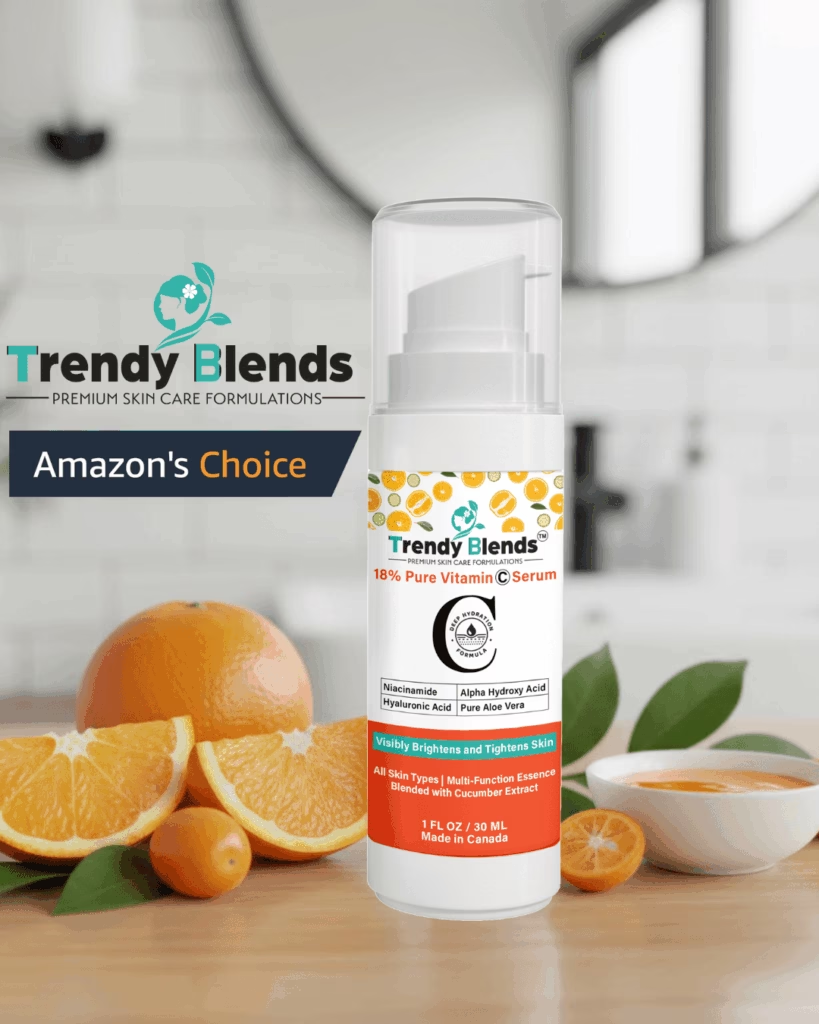
This isn’t your average serum. It’s a multi-tasking formula that combines three of the most effective ingredients in one airtight pump:

- 18% Vitamin C (3-O Ethyl Ascorbic Acid): For powerful brightening and antioxidant protection.
- Hyaluronic Acid: For all-day hydration.
- Niacinamide: To smooth texture and refine the look of pores.
In 30 seconds, I’m tackling anti-aging, hydration, and skin tone. It’s the most efficient way to ensure my skin looks sharp and ready for the day. A smart, high-performance tool.
Why Wrinkles Form in the First Place
Your skin gets its firmness from collagen and its bounce from elastin, two proteins made by cells called fibroblasts in the dermis. With age, those cells make less collagen, and the fibers you already have slowly break down. The result is thinner, less elastic skin that creases more easily.
Daily habits speed this up. The American Academy of Dermatology lists sun exposure, smoking and repetitive facial expressions among the things that age skin prematurely. UV light is a big one: it creates free radicals that damage collagen and elastin, a process known as photoaging.
How Vitamin C Serum Fights Wrinkles: 3 Ways It Works
Vitamin C tackles wrinkles from three directions at once. It helps build new collagen, protects the collagen you have, and strengthens your daily sun protection.
1. It Supports Collagen Production
Vitamin C is a required cofactor for the enzymes that stabilize collagen’s structure, and it also switches on collagen genes. A review of vitamin C and skin health explains that without enough of it, skin produces weaker, less stable collagen.
Applying it topically matters because the outer layers of skin get little vitamin C from the bloodstream. In a six-month, double-blind trial, a 5% vitamin C cream applied to sun-damaged skin on the neck and arms produced a significant improvement over placebo, including fewer deep furrows.
What to expect: firmer-looking skin and softer fine lines over months, not days.
2. It Neutralizes Skin-Damaging Free Radicals
Free radicals are unstable molecules generated by UV rays, pollution and your own metabolism. They cause oxidative stress, which attacks skin cells and breaks down collagen and elastin.
Vitamin C is a water-soluble antioxidant. It donates an electron to neutralize free radicals before they can do that damage. As the Linus Pauling Institute explains, this antioxidant activity helps protect skin against oxidative damage linked to photoaging.
3. It Backs Up Your Sunscreen
Vitamin C is not a sunscreen. It doesn’t block UV rays, but it helps limit the free radical damage they cause. In a study published in the Journal of the American Academy of Dermatology, a serum combining 15% L-ascorbic acid with 1% vitamin E protected pig skin against UV redness and sunburn cells better than either vitamin alone.
Dermatologists at Cleveland Clinic describe vitamin C and sunscreen as working in synergy, which is why they suggest applying it in the morning. Since UV exposure is one of the biggest drivers of premature aging, this teamwork is a key part of how vitamin C helps prevent new wrinkles.

Other Skin Benefits of Vitamin C Serum
Wrinkles are the headline, but most people notice these changes first:
- More even skin tone: vitamin C interferes with tyrosinase, the enzyme skin uses to make melanin, so with steady use it can help fade dark spots and age spots.
- Brighter-looking skin: as spots fade and texture smooths, dull skin tends to look more radiant.
- Extra daily protection: its antioxidant activity adds a buffer against pollution and UV stress. If your skin is reactive, start slowly and read our tips on vitamin C serum for sensitive skin.
For the full picture, see our science-based roundup of vitamin C serum benefits.
How to Choose a Vitamin C Serum for Wrinkles
Not every vitamin C serum performs the same. These four details decide whether a bottle is worth your money:
- The form of vitamin C: L-ascorbic acid is the most studied form, but it is unstable and needs a pH below 3.5 to absorb well, according to a dermatology review of topical vitamin C. Stabilized derivatives such as 3-O ethyl ascorbic acid were developed to hold up better in a formula. Our guide to the forms of vitamin C compares them.
- The concentration: aim for 10–20%. Cleveland Clinic notes that much less may not deliver results, while more than 20% raises the risk of irritation. Research also suggests benefits level off around 20%.
- Helpful partners: in a Duke University study, adding ferulic acid to vitamins C and E made the solution more stable and doubled its photoprotection. Hyaluronic acid and niacinamide don’t stabilize it, but they add hydration and support the skin barrier, so they pair well in one formula.
- The packaging: light and air break vitamin C down. Choose opaque, airtight packaging, ideally an airless pump, and skip clear bottles. If your serum turns dark orange or brown, it has oxidized. Here is why vitamin C serum turns orange.
A review in the Journal of Clinical and Aesthetic Dermatology makes the same point: how well vitamin C works depends heavily on its formulation and stability.
How to Use Vitamin C Serum for Best Results
Apply it in the morning, so it protects your skin through the day. The order looks like this:
- Cleanser
- Toner, if you use one
- Vitamin C serum: 1–2 pumps, smoothed over a dry face and neck
- Moisturizer
- Broad-spectrum sunscreen, SPF 30 or higher: vitamin C and sunscreen work best as a team. Vitamin C helps neutralize free radicals, while SPF blocks UV rays.
New to vitamin C? Patch test first, and use it every other morning for the first week or two. A brief tingle is common, but stop if you feel burning. Our guide to vitamin C serum burning explains what to do.
Then be patient. Cleveland Clinic’s dermatologist says it takes about three months to really see the effects, and suggests a monthly makeup-free photo to track progress.
Vitamin C vs. Other Anti-Wrinkle Ingredients
Vitamin C is a strong daytime ingredient, but it works best as part of a team. Here is how it compares with the other options you will see on labels:
- Sunscreen: the foundation of any anti-aging routine. One AAD dermatologist calls sunscreen “the No. 1 anti-aging treatment we know of”. Vitamin C adds to it but never replaces it.
- Retinoids: retinol and prescription tretinoin speed up skin cell turnover and boost collagen, which the American Academy of Dermatology says improves tone and reduces fine lines. They are usually applied at night. See how to use vitamin C and retinol together.
- Peptides: short chains of amino acids that may support firmer-looking skin. A review of topical peptides found some promising results, but the evidence is thinner than for retinoids or vitamin C.
- Hyaluronic acid: a humectant that pulls water into the skin, so lines look softer while skin is well hydrated. It doesn’t build collagen, which is why it pairs so well with vitamin C. Learn more about the power of hyaluronic acid.
A simple, well-supported plan looks like this: vitamin C serum and sunscreen in the morning, a retinoid at night if your skin tolerates it, and a good moisturizer at both ends of the day.
Common Mistakes That Stop Vitamin C From Working
- Skipping sunscreen. Without daily SPF, UV damage keeps outpacing anything a serum can do.
- Using a serum that has oxidized. Dark orange or brown means much of the vitamin C has broken down. Here are 7 signs your vitamin C serum has oxidized.
- Storing it on a sunny or steamy shelf. Heat and light speed up oxidation, so keep it somewhere cool and dark.
- Stacking too many strong actives at once. Layering vitamin C with several exfoliating acids in the same routine can irritate skin. Introduce one new product at a time.
- Using more than you need. 1–2 pumps cover the face and neck. Extra product won’t speed up results.
- Quitting too early. Collagen changes take months. Judge your serum after about three months of daily use, not three weeks.
Where Trendy Blends 18% Vitamin C Serum Fits In
The Trendy Blends 18% Vitamin C Serum is built around the checklist above. It uses 3-O ethyl ascorbic acid, a stable form of vitamin C, at 18%, together with niacinamide, hyaluronic acid, aloe and cucumber. It is fragrance-free and comes in a 1 oz airless pump that keeps air and light away from the formula between uses.
Use 1–2 pumps each morning before moisturizer and sunscreen. It costs $24.99 with free shipping in 3–4 business days, and it is covered by our 60-Day Glow Guarantee.
Frequently Asked Questions
How does vitamin C serum reduce wrinkles?
It supports collagen production, neutralizes the free radicals that break down collagen and elastin, and adds an extra layer of defense against UV damage when you wear it under sunscreen.
Can vitamin C serum replace sunscreen?
No. Vitamin C doesn’t block UV rays. It helps neutralize the free radical damage UV light causes, so it works best underneath a broad-spectrum SPF 30 or higher.
What are free radicals?
Unstable molecules created by UV rays, pollution and your body’s own metabolism. They cause oxidative stress that breaks down collagen and elastin.
What should I look for in a vitamin C serum for wrinkles?
A 10–20% concentration, a well-researched form such as L-ascorbic acid or a stable derivative like 3-O ethyl ascorbic acid, and opaque, airtight packaging such as an airless pump.
When should I apply vitamin C serum?
In the morning, after cleanser and toner, then follow with moisturizer and sunscreen.
How long does vitamin C serum take to work on wrinkles?
Give it about three months of daily use. Taking a makeup-free photo once a month makes gradual changes easier to see.
The Verdict: Is Vitamin C Serum Worth It for Wrinkles?
For most people, yes. No single product reverses aging, but a well-made vitamin C serum is one of the best-researched ingredients you can add to a routine.
Now that you know how vitamin C serum fights wrinkles, by supporting collagen, neutralizing free radicals and backing up your sunscreen, the rest comes down to consistency. Apply 1–2 pumps every morning, follow with moisturizer and SPF, and give it three months.
