
Vitamin C Serum for Textured Skin: 7 Simple Tips to Glow
If your makeup has started catching on little rough patches, or your skin looks less smooth under the bathroom light than it used to, you may be wondering whether a vitamin C serum for textured skin is worth a try. It’s a fair question, and the honest answer is “it depends on what kind of texture you have.”
Sun exposure, drier skin and the natural slowdown that comes with age can all change how your skin looks and feels after 40. Some of those changes may respond to a vitamin C serum for textured skin, and some need a different tool.
Below, we’ll break down what “textured skin” really means, what the research says vitamin C can and can’t smooth, and seven simple tips for fitting a vitamin C serum for textured skin into a gentle, realistic routine.
Table of Contents
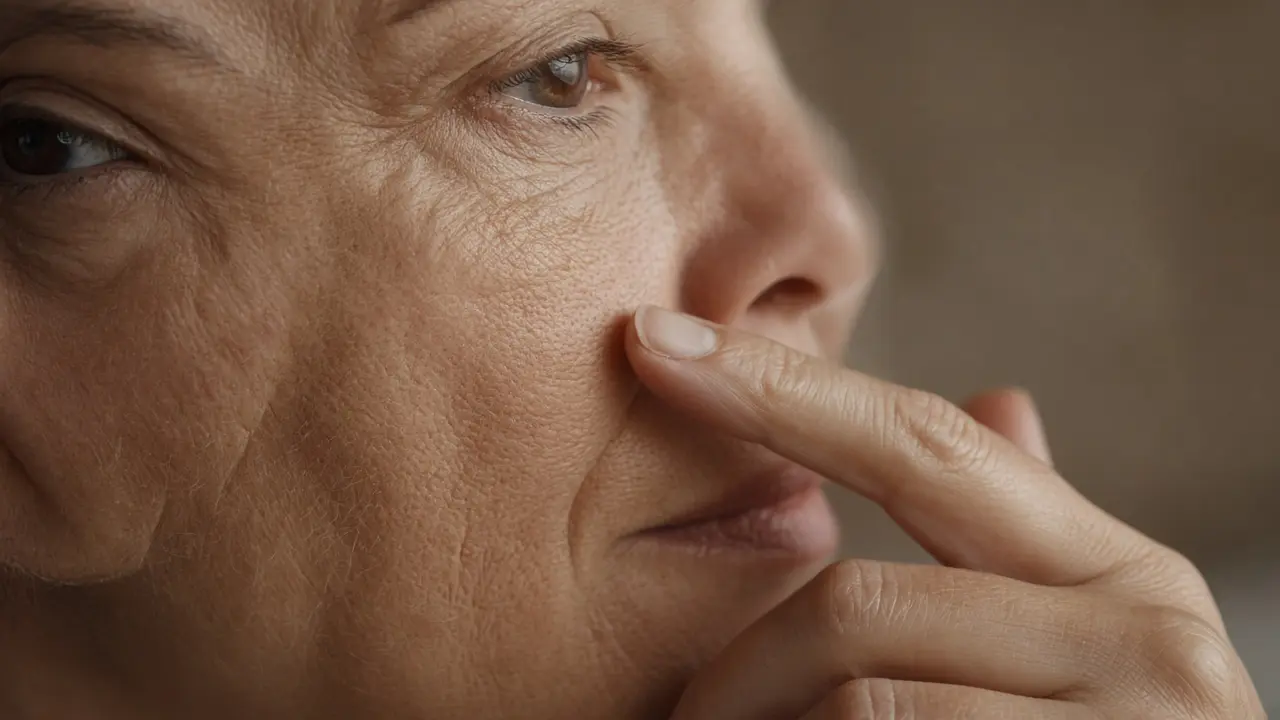
What “Textured Skin” Really Means After 40
“Texture” is a catch-all word, so it helps to know which kind you’re looking at before choosing a vitamin C serum for textured skin.
Sun damage and coarse texture
The American Academy of Dermatology (AAD) says the sun plays a major role in prematurely aging our skin. This is the kind of texture where a vitamin C serum for textured skin has the most research behind it.
A dermatology review explains that UV light triggers free radicals, which can damage proteins and cell membranes. The visible result of that photoaging can include pigmentation, coarse texture, deep wrinkles and solar elastosis.
Dry, flaky or rough patches
The AAD notes that as we age, it’s natural to experience thinner, drier skin. It also describes dry skin as flaky, itchy or rough.
So sometimes “texture” is really dryness. In that case, moisture may matter more than any vitamin C serum for textured skin.
Pores that look bigger
According to the AAD, the more sun damaged your skin, the less firmness it has, and pores look more noticeable as skin loses firmness. Clogged pores and an oily complexion can also make pores look larger.
Bumps and scars
Tiny, rough bumps on the upper arms and front of the thighs may be keratosis pilaris. The AAD explains these bumps are plugs of dead skin cells, and dry skin can make them more noticeable.
Indented acne scars are different again. The AAD says these depressed scars give skin a rough, uneven look and rarely go away completely on their own, so our post on vitamin C serum for acne scars covers them separately.
Can a Vitamin C Serum for Textured Skin Really Help?
For texture caused mainly by sun damage, there’s some encouraging research. The studies are small, though, and none tested our formula, so think of a vitamin C serum for textured skin as one helpful piece, not a quick fix.
What a 1999 split-face study found
In a three-month, double-blind study, 19 people aged 36 to 72 with mild to moderate sun damage applied a topical ascorbic acid serum to one side of the face and a plain serum to the other. Doctors rated significantly more improvement on the vitamin C side for fine wrinkling, tactile roughness and overall features.
Skin replicas from the crow’s feet area were analyzed by computer, too. The vitamin C side showed a statistically significant improvement in surface measurements linked to wrinkling and roughness.
Smoother skin relief over six months
A 2003 double-blind study tested a 5% vitamin C cream against its base cream on women with sun-damaged skin on the low neck and arms. After six months, the researchers reported a highly significant increase in the density of fine skin microrelief and a decrease in deep furrows on the vitamin C side.
In plain terms, the skin surface pattern looked finer and more even. The cream was also well tolerated.
Collagen support under the surface
In a 2002 half-face study of just 10 people, a vitamin C formula used for 12 weeks led to a statistically significant improvement in photoaging scores on the cheeks and around the mouth. Biopsies from four patients showed signs of new collagen formation.
The dermatology review above adds that vitamin C has an antiaging effect by increasing collagen synthesis, stabilizing collagen fibers and decreasing collagen breakdown.
Vitamin C serum for textured skin: the honest limits
A 2023 systematic review pulled together seven publications with 139 volunteers. Studies that measured skin topography found treated skin appeared smoother and less wrinkled, but the authors say long-term use may be needed and more studies are needed.
The vitamin C review also says clinical studies on topical vitamin C remain limited. Most of this research used L-ascorbic acid or other forms, in small groups, so results with any single serum may differ.
What Vitamin C Won’t Do for Texture
Vitamin C isn’t an exfoliant. It’s not among the ingredients the AAD lists for removing dead skin cells in keratosis pilaris, so don’t expect a vitamin C serum for textured skin to clear bumps the way an acid can.
For keratosis pilaris, the AAD says treatment plans often include a moisturizer with urea or lactic acid and exfoliating ingredients such as glycolic acid, salicylic acid or a retinoid. The AAD also notes treatment can’t cure it, so maintenance matters.
If gentle exfoliation is the missing piece in your routine, our guide to the best exfoliating treatment for mature, sun-damaged skin walks through the options. And as the AAD reminds us, creams, gels and lotions can’t reduce all signs of aging skin.
Why Niacinamide and Hydration Belong in the Mix
Texture rarely has a single cause, so a vitamin C serum for textured skin that also carries supporting ingredients can keep a routine simpler.
What niacinamide may add
In a 12-week split-face study of 50 women with signs of photoaging, 5% niacinamide reduced the look of fine lines and wrinkles, dark spots, red blotchiness and sallowness compared with the base cream. Elasticity improved, too.
That study was run by researchers from a skincare company. Another trial found 2% niacinamide lowered some measures of facial oil, which may matter since the AAD links an oily complexion with more noticeable pores.
Our serum contains niacinamide alongside vitamin C, but we don’t claim it matches the percentages used in these studies.
Vitamin C isn’t your moisturizer
Interestingly, the 2023 review found hydration improved equally on the vitamin C and placebo sites. So a vitamin C serum for textured skin works best with a separate moisturizer.
The AAD says moisturizer traps water in your skin, giving it a more youthful appearance.
7 Simple Tips for Using Vitamin C Serum for Textured Skin
These tips draw on dermatologists’ advice for aging skin and safe exfoliation.
1. Cleanse gently, with warm water
The AAD says scrubbing can irritate skin, and hot water can irritate skin and make pores look larger. Use a gentle cleanser and warm water, then pat dry.
Gritty scrubs might feel like they’re “buffing away” texture, but irritation can make things look worse. A gentle wash is the best base for a vitamin C serum for textured skin.
2. Apply 1–2 pumps to clean skin each morning
Smooth 1–2 pumps over your face and neck after cleansing. More product won’t speed things up, and the review above notes that concentrations above 20% haven’t been shown to add benefit and might cause irritation.
Morning is a natural time for a vitamin C serum for textured skin, because the review explains that sunscreens are only partially effective at blocking UV free radicals.
3. Moisturize every day
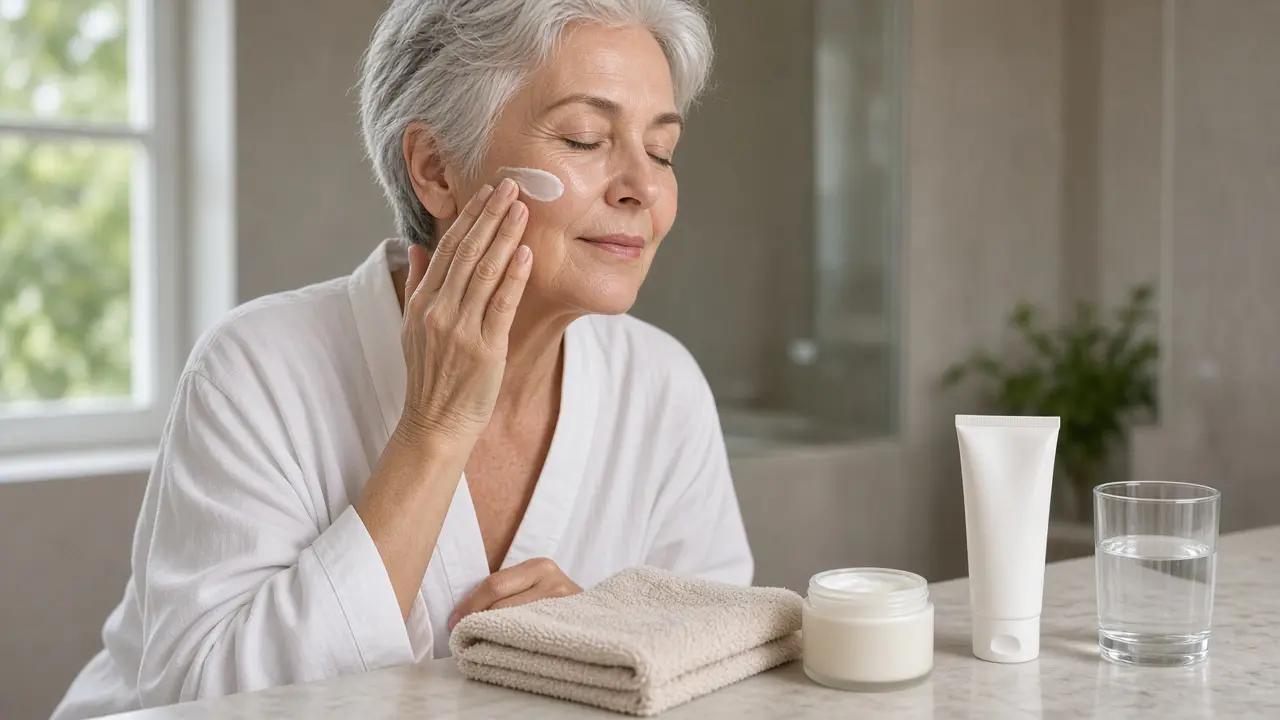
Follow your vitamin C serum for textured skin with a moisturizer every morning, and moisturize again at night.
For keratosis pilaris, the AAD suggests applying moisturizer within five minutes of a bath or shower, while skin is still damp.
4. Pair it carefully with exfoliation
The AAD says people with dry, sensitive or acne-prone skin may prefer a washcloth and a mild chemical exfoliator, since scrubs can be too irritating. It also warns against over-exfoliating, which can leave skin red and irritated.
If you use glycolic acid, our guide to vitamin C and glycolic acid explains how to split them between morning and night. Moisturize right after you exfoliate.
5. Wear sunscreen every single day
The AAD recommends a broad-spectrum, water-resistant sunscreen with SPF 30 or higher every day on skin not covered by clothing. Since sun damage reduces firmness and can make pores more noticeable, this is one of the most useful long-term texture habits.
Your vitamin C serum for textured skin goes on first, then moisturizer, then sunscreen.
6. Add one new product at a time
The AAD advises starting with one anti-aging product, since using several at once can irritate skin. It also suggests stopping any product that stings, burns or tingles.
Before you start a vitamin C serum for textured skin, test it on a quarter-sized spot, such as the bend of your elbow, twice daily for seven to 10 days, as the AAD recommends.
7. Give it time, then keep going
The AAD says most anti-aging products take at least six weeks to work, and sometimes up to three months. The studies above ran from 12 weeks to six months.
The AAD also notes you need to keep using a product to keep seeing results. A monthly photo in the same light makes slow changes easier to spot.
Choosing a Vitamin C Serum for Textured Skin
The vitamin C review says reputable vitamin C products tend to sit in the 10 to 20 percent range. It also describes L-ascorbic acid, the classic form, as unstable.
3-O Ethyl Ascorbic Acid was developed as a stable vitamin C derivative, and a lab study notes it has been used in cosmetics as a stable alternative to L-ascorbic acid for a number of years. Many forms can earn a place in a routine; the best vitamin C serum for textured skin is one your skin tolerates and you’ll actually use.
If fragrance has bothered your skin before, the AAD suggests choosing products labeled “fragrance free.” An airless pump is also easy to use, with no dipping fingers into a jar.
When to See a Dermatologist
If bumps don’t improve after four to six weeks on a keratosis pilaris treatment plan, the AAD suggests telling your dermatologist. The AAD notes lasers may work when moisturizer and medicine fail.
The AAD also cautions that, for some people, especially those with darker skin tones, aggressive exfoliation may lead to dark spots. Deep acne scars, a changing spot, or texture that itches or bleeds are worth a visit to a board-certified dermatologist, whatever vitamin C serum for textured skin you use.
Our post with tips for smooth skin covers sleep, diet and body bumps.
FAQ
Does vitamin C serum help with skin texture?
A vitamin C serum for textured skin may help, especially when texture comes from sun damage. Small studies found skin treated with topical vitamin C looked smoother and less wrinkled, though long-term use may be needed and more research is needed.
Is vitamin C or niacinamide better for textured skin?
They do different jobs. Vitamin C has small studies on roughness and collagen, while niacinamide has been studied for fine lines, spots, blotchiness and oil. Many people use both.
Can I use vitamin C serum with an exfoliant?
Yes, with care. Many people use vitamin C in the morning and an exfoliating acid at night, then moisturize. Stop and simplify if your skin turns red, stings or flakes.
How long does a vitamin C serum for textured skin take to work?
Give it at least six weeks to three months. The research on texture ran from 12 weeks to six months, and you’ll need to keep using it to maintain results.
Does vitamin C serum help bumpy skin?
Not much on its own. For rough bumps such as keratosis pilaris, dermatologists often suggest moisturizers with urea or lactic acid and gentle exfoliation. Vitamin C is better suited to sun-related roughness and tone.
Should I use vitamin C serum for textured skin in the morning or at night?
Morning is a natural fit, since vitamin C pairs well with sunscreen. If mornings are rushed, evening use is fine too. Consistency matters more than timing.
Conclusion
Textured skin after 40 usually has more than one cause, so the best approach is a gentle routine rather than one miracle product. A vitamin C serum for textured skin, used with daily moisturizer, sunscreen and careful exfoliation, may help skin look smoother and brighter over time.
If you’d like a gentle everyday option, our Trendy Blends 18% Vitamin C Serum pairs 18% 3-O Ethyl Ascorbic Acid with niacinamide, hyaluronic acid, aloe and cucumber. It’s fragrance-free, comes in a 1 oz airless pump for $24.99 with free shipping in 3–4 business days, and is backed by our 60-Day Glow Guarantee with free returns.
Disclaimer: This article is for general educational purposes and isn’t medical advice. Talk to a board-certified dermatologist about skin concerns, scars, persistent bumps or reactions to products, especially if you have a skin condition or use prescription treatments.
References
- American Academy of Dermatology. 11 ways to reduce premature skin aging. aad.org
- American Academy of Dermatology. What can treat large facial pores? aad.org
- American Academy of Dermatology. How to safely exfoliate at home. aad.org
- American Academy of Dermatology. Keratosis pilaris: overview; and Keratosis pilaris: diagnosis and treatment.
- American Academy of Dermatology. Acne scars: overview.
- American Academy of Dermatology. How to maximize results from anti-aging skin care products.
- American Academy of Dermatology. How to test skin care products.
- Al-Niaimi F, Chiang NYZ. Topical vitamin C and the skin: mechanisms of action and clinical applications. J Clin Aesthet Dermatol. 2017;10(7):14-17. PMC5605218
- Traikovich SS. Use of topical ascorbic acid and its effects on photodamaged skin topography. Arch Otolaryngol Head Neck Surg. 1999;125(10):1091-1098. PubMed 10522500
- Humbert PG, Haftek M, Creidi P, et al. Topical ascorbic acid on photoaged skin. Clinical, topographical and ultrastructural evaluation: double-blind study vs. placebo. Exp Dermatol. 2003;12(3):237-244. PubMed 12823436
- Fitzpatrick RE, Rostan EF. Double-blind, half-face study comparing topical vitamin C and vehicle for rejuvenation of photodamage. Dermatol Surg. 2002;28(3):231-236.
- Correia G, Magina S. Efficacy of topical vitamin C in melasma and photoaging: a systematic review. J Cosmet Dermatol. 2023;22(7):1938-1945. PubMed 37128827
- Bissett DL, Oblong JE, Berge CA. Niacinamide: a B vitamin that improves aging facial skin appearance. Dermatol Surg. 2005;31(7 Pt 2):860-865. PubMed 16029679
- Draelos ZD, Matsubara A, Smiles K. The effect of 2% niacinamide on facial sebum production. J Cosmet Laser Ther. 2006;8(2):96-101.
- Iliopoulos F, Sil BC, Moore DJ, Lucas RA, Lane ME. 3-O-ethyl-l-ascorbic acid: characterisation and investigation of single solvent systems for delivery to the skin. Int J Pharm X. 2019;1:100025.
