
Vitamin C Serum Peeling? 5 Surprising Triggers
Vitamin C serum peeling can feel like a betrayal. You bought a serum for brighter, smoother skin after 40, and now there are dry flakes around your nose and chin.
Take a breath. Flaking after a new serum is usually a sign that something in your routine needs adjusting, and it often settles with a few gentle changes.
We make a vitamin C serum, so we checked every point here against the American Academy of Dermatology (AAD), MedlinePlus (U.S. National Library of Medicine) and studies on PubMed. Where the evidence is thin, we say so.
Below: how to tell peeling from pilling, why skin after 40 flakes more easily, five surprising triggers behind vitamin C serum peeling, a calming plan and when to call a dermatologist.
Table of Contents
Is Vitamin C Serum Peeling Normal?
It isn’t the goal, and it isn’t a sign the serum is “working.” Vitamin C serums are mainly valued as antioxidants, not as peels, so flaking usually points to irritation or dryness.
A 2013 dermatology review of vitamin C says stinging, redness and dryness are rarely seen after topical vitamin C, and that a moisturizer can easily treat them. It doesn’t list peeling by name, but dryness is where flaking often starts.
So vitamin C serum peeling isn’t something to push through. It’s your skin asking for a little more care.
Peeling, Flaking or Pilling? How to Tell
True peeling or flaking is your own skin: dry, papery bits that stay put when you touch them. Your face may also feel tight or itchy.
Pilling is different. Those are little rolls of product that appear while you rub in moisturizer, sunscreen or makeup, and they wipe away to reveal smooth skin underneath.
If what you see is pilling, it isn’t vitamin C serum peeling at all. It’s usually a layering issue, and our guide to stopping vitamin C serum from pilling under makeup walks through the fixes.
Why Skin After 40 Flakes More Easily
MedlinePlus explains that aging skin becomes thinner and more fragile. It also notes that women gradually make less oil after menopause, which can make it harder to keep skin moist and lead to dryness and itch.
The skin barrier changes, too. A 1995 study of the aged skin barrier found it was disrupted more easily and recovered more slowly in people over 80 than in people aged 20 to 30.
That group was much older than most of our readers, so it’s only a hint. Still, it helps explain why vitamin C serum peeling can show up in your 40s and 50s when the same routine felt fine at 30.
5 Surprising Triggers Behind Vitamin C Serum Peeling
Here’s what tends to sit behind vitamin C serum peeling. Often it’s more than one thing at once, and sometimes the serum isn’t the main culprit at all.
1. It’s Pilling, Not Peeling
This one surprises a lot of people. Using too much serum, or layering moisturizer before it has settled, can make products roll up into flakes that look like peeling skin.
Use 1–2 pumps for your face, press it in gently, and give it a moment before your next layer. If the “flakes” stop, your skin was never peeling.
2. A Very Acidic Formula on a Thinner Barrier
Many classic vitamin C serums use L-ascorbic acid. In a 2001 pig-skin study, L-ascorbic acid had to be formulated below pH 3.5 to enter the skin, so these serums tend to be quite acidic.
The 2013 review adds that a vitamin C serum’s effectiveness rises with concentration only up to 20%. A stronger, more acidic serum on dry, mature skin is one plausible route to vitamin C serum peeling.
L-ascorbic acid is still a well-studied, effective form. Our serum uses 3-O Ethyl Ascorbic Acid, which researchers describe as a stable vitamin C derivative, though the study we read on it was lab work on pig skin.
3. Stacking It With Retinoids, Acids or Scrubs
The AAD’s exfoliation guide notes that retinoid creams, retinol and benzoyl peroxide can make skin more sensitive or peel. It warns that exfoliating on top of them may worsen dry skin.
The AAD also says ingredients like retinol and glycolic acid can irritate skin, particularly sensitive skin, and that this is normal and temporary. Layered with vitamin C, that irritation can show up as vitamin C serum peeling.
The simple fix is spacing: vitamin C in the morning, your retinoid or acid at night. Our guide to which actives to keep apart from vitamin C covers the common combos.
4. Winter Air, Hot Showers and Harsh Cleansers
It’s late-autumn flaking season for a reason. MedlinePlus lists cold, dry winter air, dry indoor heat, bathing too often or too long, and some soaps among the causes of dry skin.
The AAD’s dry skin tips note that dry skin can flake, itch and crack. If your flakes appeared just as the heating came on, your vitamin C serum peeling may really be winter dryness.
The AAD also advises stopping products with alcohol or fragrance when skin is dry. That’s one reason we keep our formula fragrance-free.
5. A Reaction to an Ingredient
Sometimes the skin is reacting to the formula itself. MedlinePlus explains contact dermatitis: irritant reactions often look dry, red and rough, while allergic rashes can blister, ooze or turn scaly.
It adds that an allergic rash may not appear until 24 to 48 hours after contact, and that allergies can develop after months or years of using something. Fragrance is a common culprit.
Any skincare ingredient can trigger an allergy in someone, even in a fragrance-free formula. That’s why a patch test makes sense before you start any new serum, ours included.
How to Calm Vitamin C Serum Peeling
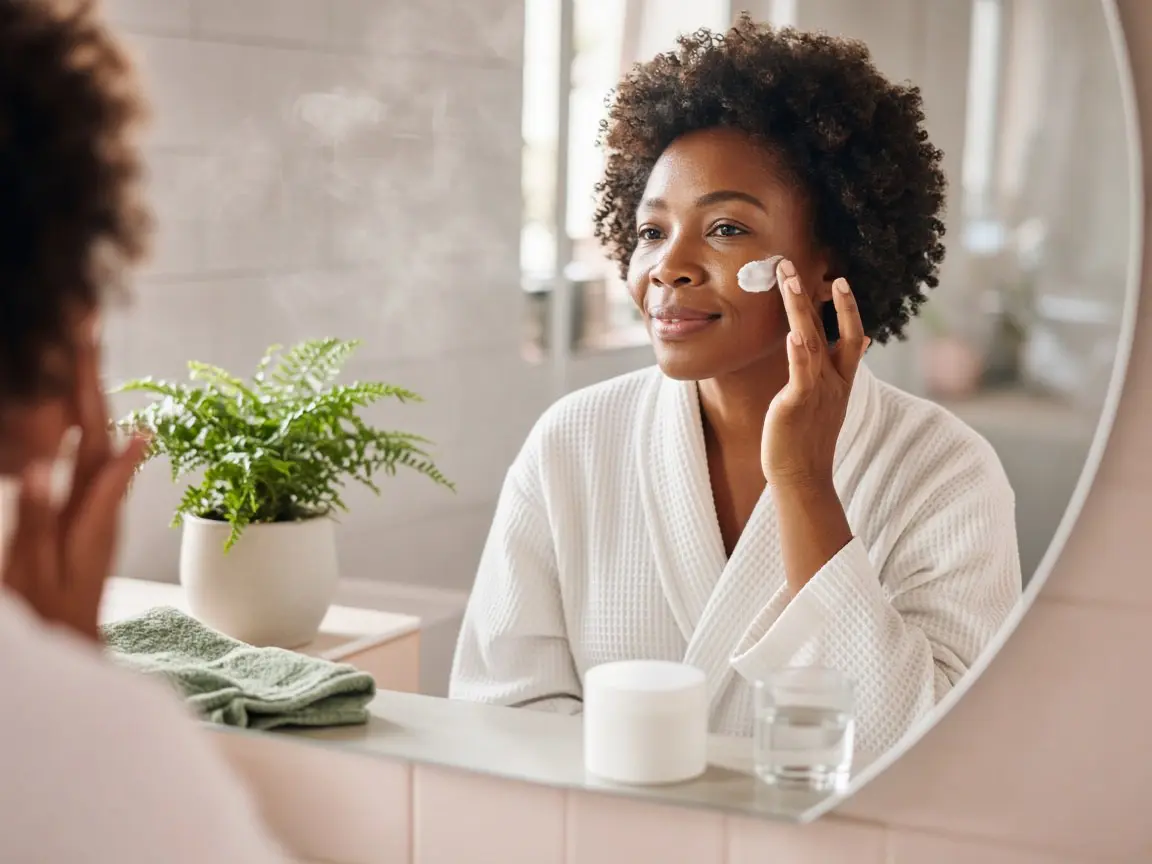
Mild vitamin C serum peeling often calms down with a short break and a lot of moisture. Here’s a gentle plan.
Pause, Then Strip Your Routine Back
The AAD advises stopping a product that stings, burns or tingles, because those feelings mean it’s irritating your skin. If a dermatologist prescribed it, ask first, since some prescription products are expected to sting.
For a few days, keep it simple: a gentle cleanser, a fragrance-free moisturizer and sunscreen. Skip scrubs, peel pads and acids while you heal.
Moisturize While Skin Is Still Damp
The AAD suggests short, warm showers of five to ten minutes, patting skin dry, then applying a fragrance-free moisturizer right away. It recommends a cream or ointment over a lotion for dry skin.
Ingredients it suggests looking for include glycerin, hyaluronic acid, dimethicone, petrolatum and shea butter. A humidifier in your bedroom can help, too, and together these habits do most of the work of calming vitamin C serum peeling.
Don’t Pick or Scrub the Flakes
It’s tempting to buff flakes away. The AAD warns that over-exfoliating can leave skin red and irritated, so let the flakes lift on their own under a good moisturizer.
Restart Slowly With a Patch Test
Once your skin feels comfortable again, the AAD’s patch test is your friend: apply the product to a quarter-sized spot on your inner arm twice daily for 7 to 10 days.
No redness, itch or swelling? Reintroduce your vitamin C serum a few mornings a week, add one product at a time, and keep wearing broad-spectrum sunscreen with SPF 30 or higher.
If vitamin C serum peeling returns each time, that serum may simply not suit your skin, and that’s okay.
When Vitamin C Serum Peeling Needs a Dermatologist
The AAD says you may need a dermatologist if a reaction is severe and not relieved by cool compresses or petroleum jelly. MedlinePlus adds that you should contact your provider if a skin reaction is severe or doesn’t improve with treatment.
Signs Vitamin C Serum Peeling Is More Than Dryness
Watch for blisters, oozing, swelling, cracks that bleed or any signs of infection. These point beyond simple vitamin C serum peeling and deserve a professional look.
A dermatologist can also patch test you properly. MedlinePlus explains this takes several office visits, because some reactions are delayed.
What the Research Can and Can’t Tell Us
We found no study that looked at vitamin C serum peeling specifically. Most of what we know comes from dermatologists’ general guidance on dry and irritated skin.
The trials that exist are reassuring but small. A six-month trial of a 5% vitamin C cream on women’s sun-damaged neck and arm skin found it effective and well tolerated, and a 10-person half-face study reported no signs of inflammation.
A 2017 review adds that clinical studies of topical vitamin C remain limited. That’s one more reason to patch test and go slowly.
Where Trendy Blends Fits
Our Trendy Blends 18% Vitamin C Serum pairs 18% 3-O Ethyl Ascorbic Acid with niacinamide, hyaluronic acid, aloe and cucumber. It’s fragrance-free and comes in a 1 oz airless pump, so 1–2 pumps each morning is plenty.
It’s $24.99 with free shipping in 3–4 business days, plus our 60-Day Glow Guarantee with free returns. Patch test first, and if your skin is very dry, read our tips on using vitamin C serum for dry skin.
Stinging rather than flaking? Our guide to calming vitamin C serum burning can help.
Frequently Asked Questions
Does vitamin C serum make your skin peel?
It can for some people, but it isn’t supposed to. A 2013 review says dryness, redness and stinging are rare with topical vitamin C. Vitamin C serum peeling usually means irritation, dryness or too many actives at once.
Why is my skin peeling after using vitamin C serum?
Common reasons include a very acidic or strong formula, layering it with retinoids or acids, dry winter air and hot showers, or a reaction to an ingredient. Mature skin can be more prone to dryness.
Is vitamin C serum flaking off the same as peeling?
Not always. If the flakes roll up while you apply moisturizer or makeup and wipe away easily, that’s likely product pilling. Use 1–2 pumps and let each layer settle first.
Does vitamin C serum exfoliate your skin?
It isn’t designed to. Vitamin C serums are mainly used as antioxidants, while exfoliating acids such as glycolic acid dissolve dead skin cells. A very acidic formula can still irritate dry skin and lead to flaking.
Should I stop using vitamin C serum if my skin is peeling?
Yes, take a break. The AAD advises stopping a product that stings, burns or tingles. Moisturize until your skin calms, patch test, then restart a few mornings a week.
Can I put vitamin C serum on peeling skin?
It’s best to wait until the peeling has settled. Focus on a gentle cleanser, a fragrance-free cream and sunscreen, then reintroduce vitamin C slowly once your skin feels comfortable.
The Bottom Line
Vitamin C serum peeling is a nudge, not a failure. It usually points to dryness, too many actives, harsh weather or, less often, a reaction to an ingredient.
Pause, moisturize, patch test and restart gently. Mild vitamin C serum peeling often settles with gentle care, and comfortable, glowing skin after 40 is worth a little patience.
Medical disclaimer: This article is for general education only and is not medical advice. Talk with a board-certified dermatologist about rashes, blisters, severe or lasting peeling, or before combining skin care with prescription treatments.
References
- AAD (American Academy of Dermatology). Dermatologists’ top tips for relieving dry skin. https://www.aad.org/public/everyday-care/skin-care-basics/dry/dermatologists-tips-relieve-dry-skin
- AAD (American Academy of Dermatology). How to get the best results from anti-aging skin care products. https://www.aad.org/public/everyday-care/skin-care-secrets/anti-aging/maximize-anti-aging-products
- AAD (American Academy of Dermatology). How to test skin care products. https://www.aad.org/public/everyday-care/skin-care-secrets/prevent-skin-problems/test-skin-care-products
- AAD (American Academy of Dermatology). How to safely exfoliate at home. https://www.aad.org/public/everyday-care/skin-care-secrets/routine/safely-exfoliate-at-home
- AAD (American Academy of Dermatology). Eczema types: Contact dermatitis overview. https://www.aad.org/public/diseases/eczema/types/contact-dermatitis
- MedlinePlus (U.S. National Library of Medicine). Aging changes in skin. https://medlineplus.gov/ency/article/004014.htm
- MedlinePlus (U.S. National Library of Medicine). Dry skin. https://medlineplus.gov/ency/article/000835.htm
- MedlinePlus (U.S. National Library of Medicine). Contact dermatitis. https://medlineplus.gov/ency/article/000869.htm
- Telang PS. Vitamin C in dermatology. Indian Dermatol Online J. 2013;4(2):143-6. PMID: 23741676.
- Pinnell SR, Yang H, Omar M, et al. Topical L-ascorbic acid: percutaneous absorption studies. Dermatol Surg. 2001;27(2):137-42. PMID: 11207686.
- Ghadially R, Brown BE, Sequeira-Martin SM, et al. The aged epidermal permeability barrier. Structural, functional, and lipid biochemical abnormalities in humans and a senescent murine model. J Clin Invest. 1995;95(5):2281-90. PMID: 7738193.
- Iliopoulos F, Sil BC, Moore DJ, et al. 3-O-ethyl-l-ascorbic acid: Characterisation and investigation of single solvent systems for delivery to the skin. Int J Pharm X. 2019;1:100025. PMID: 31517290.
- Humbert PG, Haftek M, Creidi P, et al. Topical ascorbic acid on photoaged skin. Clinical, topographical and ultrastructural evaluation: double-blind study vs. placebo. Exp Dermatol. 2003;12(3):237-44. PMID: 12823436.
- Fitzpatrick RE, Rostan EF. Double-blind, half-face study comparing topical vitamin C and vehicle for rejuvenation of photodamage. Dermatol Surg. 2002;28(3):231-6. PMID: 11896774.
- Al-Niaimi F, Chiang NYZ. Topical Vitamin C and the Skin: Mechanisms of Action and Clinical Applications. J Clin Aesthet Dermatol. 2017;10(7):14-17. PMID: 29104718.
