
Protect Aging Skin: 8 Essential Ways to Keep It Healthy
If you want to protect aging skin, the most effective steps are also the simplest: daily sun protection, gentle care and a few well-chosen habits. Skin naturally gets thinner, drier and less elastic with age, but how fast that happens depends a lot on what you do every day.
This guide explains how skin changes over time, eight dermatologist-backed ways to protect it, and which skin changes are normal and which need a doctor’s attention.
Table of Contents
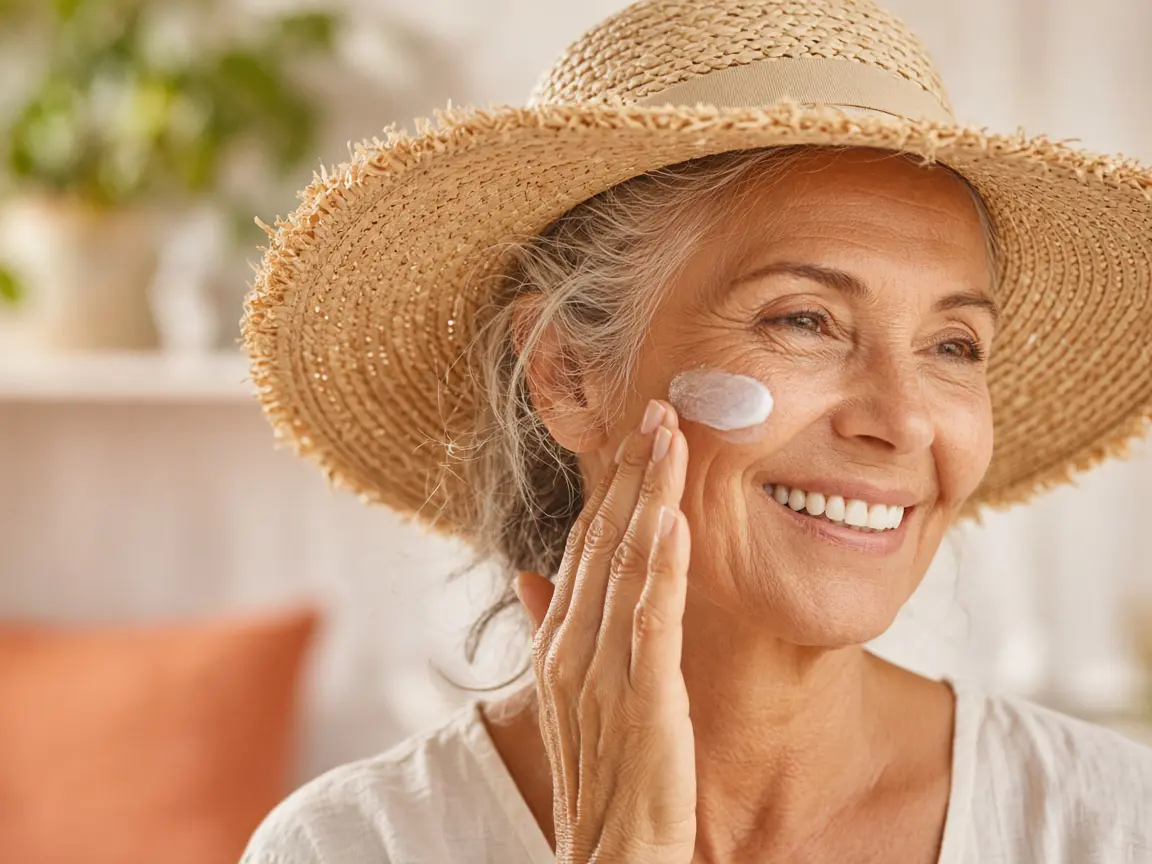
How Skin Changes as You Age
According to the National Institute on Aging (NIA), skin becomes thinner, paler and less elastic with age. Blood vessels grow more fragile, and sweat and oil glands produce less, which leaves skin drier.
Some of these changes come from time alone. Many others come from the outside world. The American Academy of Dermatology (AAD) notes that sun exposure, tanning, smoking and other habits speed up how quickly skin ages. That is good news, because those are things you can change.
8 Ways to Protect Aging Skin
1. Wear Sunscreen Every Day
Sun protection is the single most important way to protect aging skin. The AAD recommends a sunscreen that is broad-spectrum, SPF 30 or higher and water-resistant. Apply it every day to all skin not covered by clothing, even when it is cloudy, because UV rays pass through clouds.
The NIA advises reapplying at least every two hours, and more often if you are swimming, sweating or towel-drying. Don’t forget your ears, neck, hands and the tops of your feet. These areas are easy to miss, and they often show the first age spots. Keep a sunscreen by the door or in your bag so reapplying becomes a habit, and use an SPF lip balm too. If one sunscreen stings or feels greasy, try another texture rather than skipping it. The best sunscreen is the one you will wear every day. Here is how to pair vitamin C serum with sunscreen.
2. Seek Shade and Cover Up
Sunscreen works best as part of a bigger plan. Stay in the shade when the sun is strongest, usually between 10 a.m. and 4 p.m. Wear a wide-brimmed hat, sunglasses with UV protection, and lightweight long sleeves when you will be outside for a while. You can also burn in the water, so take extra care at the pool, lake or beach.
3. Skip Tanning Beds
Tanning beds and sunlamps emit harmful UV rays that speed up skin aging, and the NIA notes they can also cause skin cancer. The AAD points out that every tan ages your skin prematurely. If you like a glow, use a self-tanner instead.
4. Quit Smoking
The AAD says smoking greatly speeds up skin aging, causing wrinkles and a dull, sallow complexion. Smokers who quit often notice their skin looks healthier. It is never too late to stop.
5. Moisturize Every Day
Moisturizer traps water in the skin, which helps it look smoother and feel more comfortable. Dry skin is common with age, so this step matters more over time. The AAD suggests applying a cream or ointment while your skin is still damp after bathing, and choosing fragrance-free products.
Ingredients such as glycerin, hyaluronic acid, dimethicone, petrolatum and shea butter are good choices for dry skin. Find more ideas in our routine for women over 50 with dry skin.
6. Cleanse Gently
Scrubbing irritates skin, and irritation can speed up skin aging. Wash with a mild cleanser and lukewarm water, pat dry, and keep baths and showers short. Stop using any product that stings or burns, since that is a sign it is irritating your skin.
Skin gets thinner with age, so exfoliate gently, if at all. Our gentle exfoliation routine for thin, aging skin explains how.
7. Add Proven Skin Care Ingredients
A few ingredients have solid research behind them for aging skin:
- Retinoids: in a 24-week trial in older adults, retinol lotion significantly improved fine wrinkles compared with a placebo lotion. The AAD advises using retinoids at night and protecting your skin from the sun during the day, since they can make skin more sun-sensitive.
- Vitamin C: an antioxidant that helps protect skin from UV-related damage and is essential for building collagen, as a review on vitamin C and skin health explains. A clinical study found topical vitamin C improved signs of photoaged skin over six months.
- Moisturizing helpers: hyaluronic acid and niacinamide support hydration and the skin barrier.
Start one new active at a time, and use vitamin C in the morning under sunscreen. Compare the two in our guide to vitamin C serum vs. retinol.
8. Eat Well, Move and Limit Alcohol
The AAD notes that a few studies suggest eating plenty of fruits and vegetables may help prevent damage that leads to premature skin aging, while a diet high in sugar and refined carbohydrates may speed it up. Moderate exercise most days may give skin a more youthful look. Alcohol dehydrates skin, so drink less of it.
Common Skin Changes With Age
Many skin changes are a normal part of getting older. Knowing what to expect helps you care for aging skin and spot problems early.
Dry, Itchy Skin
Dry, rough patches often show up on the lower legs, elbows and forearms. Dry air, hot baths, harsh soaps, too little fluid and some medicines can make it worse. The NIA notes that health problems such as diabetes or kidney disease can also cause dry skin.
Because older skin is thin, scratching can break it and lead to infection. Moisturize daily, use a humidifier in dry rooms, and talk to your doctor if the itch doesn’t settle.
Bruises
Fragile blood vessels mean bruises appear more easily and take longer to heal. Some medicines and illnesses also cause bruising. Tell your doctor about bruises you can’t explain, especially on parts of the body usually covered by clothing. The NIA also notes that unexplained bruises can sometimes be a sign of elder abuse, so if you suspect someone is being harmed, seek help.
Wrinkles
UV light breaks down the skin’s elasticity over time, and smoking and repeated facial expressions add lines too. Many wrinkle products promise more than they deliver. Sunscreen, retinoids and vitamin C have the strongest evidence, and a dermatologist can discuss in-office options. See our treatments for fine lines.
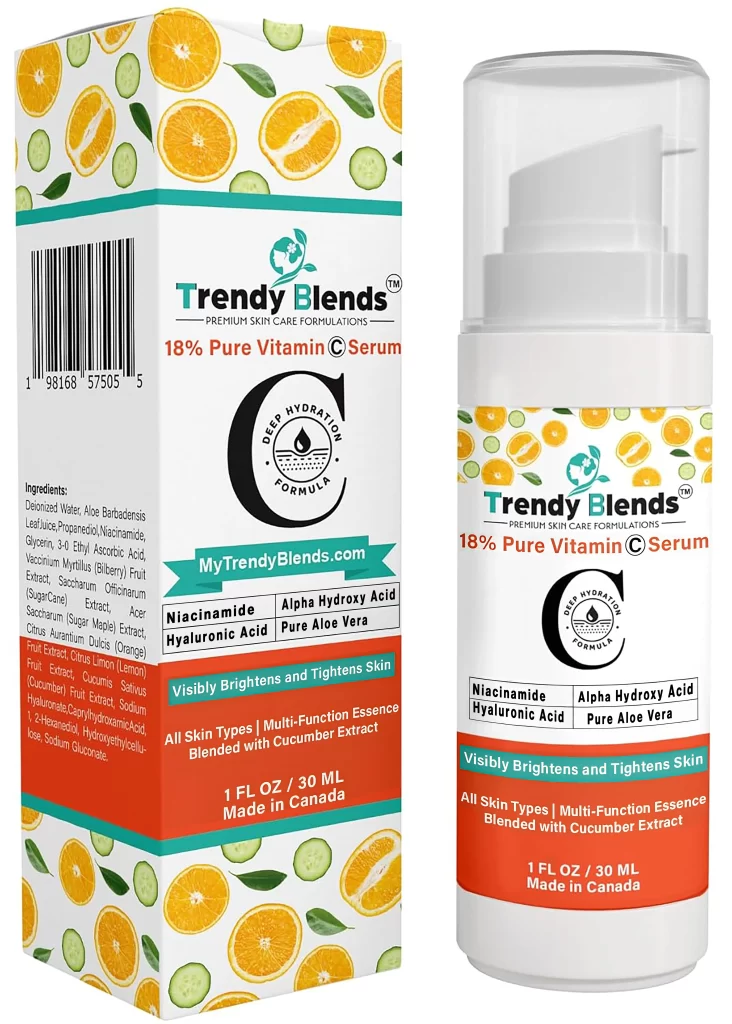
Trendy Blends Vitamin C Serum
Protect your skin from signs of aging.

Age Spots and Skin Tags
Age spots are flat, brown spots caused by years of sun exposure. They often appear on the face, hands, arms and back. Daily broad-spectrum sunscreen can help prevent new ones, and ingredients such as vitamin C may help fade age spots over time.
Skin tags are small, soft, flesh-colored growths that become more common with age, especially in women. They tend to appear on the eyelids, neck and body folds. Both are harmless, though skin tags can get irritated by friction. A doctor can remove either if they bother you.
Protect Aging Skin From Skin Cancer
Skin cancer is the most common cancer in the United States, and the AAD estimates that one in five Americans will develop it in their lifetime. Anyone can get skin cancer, whatever their skin color. Caught early, it is usually highly treatable.
The NIA recommends checking your skin each month. Look for a new growth, a sore that doesn’t heal, or a mole that bleeds or changes.
Know the ABCDEs of Melanoma
Melanoma is the most dangerous type of skin cancer. The AAD’s ABCDE guide lists the warning signs to look for in a mole or spot:
- A – Asymmetry: one half doesn’t match the other.
- B – Border: the edge is irregular or poorly defined.
- C – Color: uneven shades of brown, black, tan, red, white or blue.
- D – Diameter: usually larger than 6 mm, about the size of a pencil eraser, though melanomas can be smaller.
- E – Evolving: the spot looks different from others or is changing in size, shape or color.
If you notice any of these signs, see a dermatologist promptly.
A Simple Daily Routine for Aging Skin
You don’t need a long routine. A few steps, done every day, protect aging skin better than a shelf full of products used now and then.
Morning
- Rinse or wash with a mild, fragrance-free cleanser and lukewarm water.
- Apply a vitamin C serum to dry skin.
- Smooth on a moisturizer while your skin still feels slightly damp.
- Finish with broad-spectrum, water-resistant SPF 30 or higher on your face, neck, ears and hands.
Evening
- Remove sunscreen and makeup with a gentle cleanser.
- Apply a gentle retinoid every other night at first, as dermatologists quoted by the AAD suggest, then build up slowly if your skin tolerates it.
- Follow with a richer cream, and use a humidifier if the air is dry.
Introduce one new product at a time, and give it several weeks before you judge it. If your skin turns red, stings or peels, scale back. Our morning vs. night routine for mature skin goes into more detail.
When to See a Doctor About Aging Skin
Most changes in aging skin are harmless, but some need a professional. Make an appointment with your doctor or a dermatologist if you notice:
- A spot that shows any of the ABCDE warning signs, or a sore that doesn’t heal.
- Dry skin or itching that doesn’t improve with daily moisturizer, or that keeps you up at night.
- Bruises you can’t explain.
- An age spot or skin tag that becomes irritated, bleeds or bothers you.
A dermatologist can also talk you through prescription retinoids, chemical peels and other treatments if you want more than skin care alone can offer.
Where Vitamin C Serum Fits In
A vitamin C serum is a simple morning step that supports your sunscreen. The Trendy Blends 18% Vitamin C Serum combines 18% 3-O ethyl ascorbic acid, a stable form of vitamin C, with niacinamide, hyaluronic acid, aloe and cucumber. It is fragrance-free and comes in a 1 oz airless pump.
Apply 1–2 pumps to clean skin each morning, then moisturizer and sunscreen. It costs $24.99 with free shipping in 3–4 business days and is backed by our 60-Day Glow Guarantee. For a full routine, see our dermatologist routine for mature skin.
Frequently Asked Questions
What is the best way to protect aging skin?
Daily sun protection. Dermatologists recommend a broad-spectrum, water-resistant sunscreen with SPF 30 or higher on all exposed skin, plus shade and protective clothing. Not smoking and moisturizing daily help too.
Why does skin get drier with age?
Older skin tends to be thinner and makes less sweat and oil. Dry air, hot baths, harsh soaps and some health conditions, such as diabetes or kidney disease, can make it worse.
Why do older adults bruise more easily?
Blood vessels become more fragile with age and skin gets thinner, so bruises appear more easily and take longer to heal. Some medicines and illnesses also cause bruising, so mention unexplained bruises to your doctor.
What are the ABCDEs of melanoma?
Asymmetry, irregular Borders, uneven Color, a Diameter larger than about 6 mm (a pencil eraser), and Evolving size, shape or color. See a dermatologist promptly if a spot shows any of these signs.
Does vitamin C serum help aging skin?
It can help. Vitamin C is an antioxidant that helps protect skin from UV-related damage, and it is needed to make collagen. Studies of topical vitamin C have shown improvements in signs of sun-damaged skin. It works best alongside sunscreen, not instead of it.
Conclusion: Small Daily Habits Protect Aging Skin
To protect aging skin, start with the basics: broad-spectrum SPF 30 every day, shade and protective clothing, no tanning or smoking, gentle cleansing and daily moisturizer. Add a retinoid at night and vitamin C in the morning if you want extra support.
Check your skin each month, and see a doctor about any spot that is new, changing or not healing. Healthy skin at any age comes from steady habits, not quick fixes.
