
Compare Vitamin C Serum and Retinol for Anti-Aging: The Ultimate Guide.
Table of Contents
The quest for youthful, radiant skin often feels like navigating a labyrinth of scientific terms, marketing buzzwords, and endless product shelves. Two giants stand tall above the rest in the crowded world of cosmeceuticals: Vitamin C and Retinol. Finally, the best practice is to compare vitamin c serum and retinol for anti-aging in your routine.
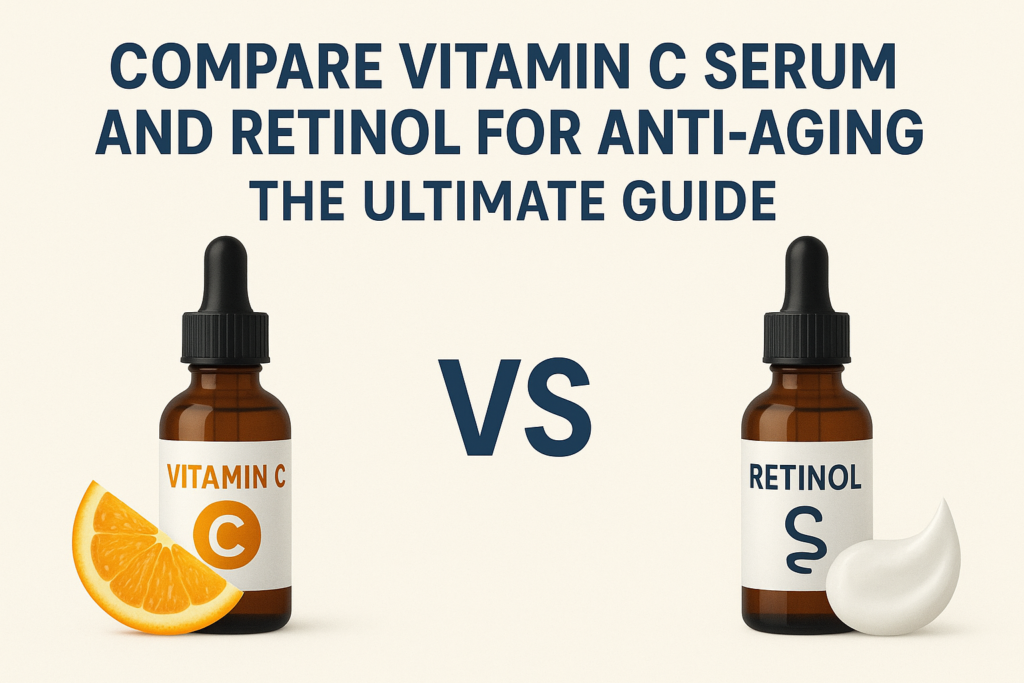
These two ingredients are the gold standards of dermatology. They are the heavy lifters in any effective skincare routine designed to combat wrinkles, fine lines, and pigmentation. However, understanding their differences is crucial for avoiding irritation and maximizing results.
In summary, always remember to compare vitamin c serum and retinol for anti-aging for effective skincare results. If you want to build a routine that truly turns back the clock, you must thoroughly compare vitamin c serum and retinol for anti-aging capabilities to understand where they overlap and where they differ.
To truly understand the benefits of these ingredients, it is essential to compare vitamin c serum and retinol for anti-aging. In this comprehensive guide, we will break down the molecular science, the benefits, the side effects, and the protocols for using these powerhouse ingredients. Whether you are a skincare novice or a seasoned enthusiast, this deep dive will clarify exactly how to optimize your regimen for the best possible results.
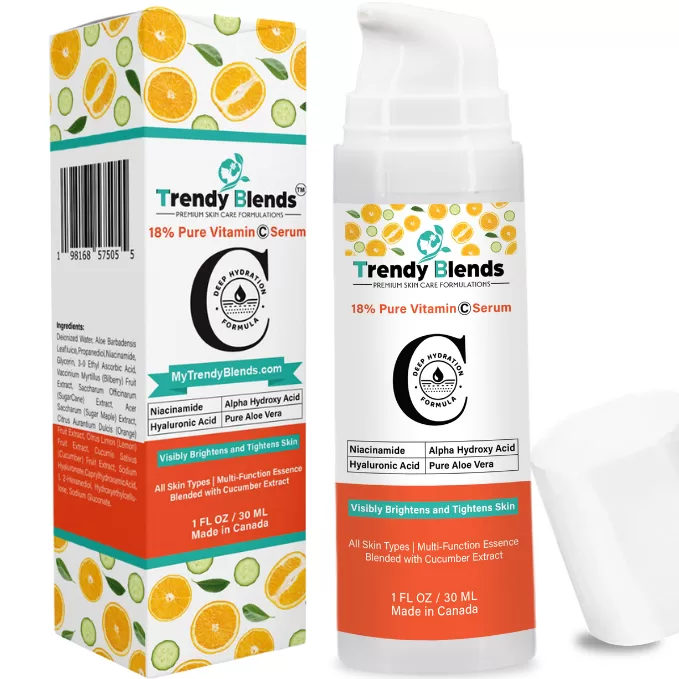

Stop settling for dull skin! Introducing -the ultimate Vitamin C Serum game-changer for your complexion.
Why You Need This Serum NOW:
- The Glow Factor: Instantly unlocks a luminous, head-turning radiance.
- Dark Spot Defender: Watch stubborn dark spots and hyperpigmentation fade away.
- Wrinkle Warrior: Boosts natural collagen production to smooth texture and fine lines.
- Antioxidant Powerhouse: Shields your skin from daily pollution and stress.

The Biological Mechanisms of Skin Aging
As we explore these options, it is important to compare vitamin c serum and retinol for anti-aging effects. To truly appreciate why we need to compare vitamin c serum and retinol for anti-aging, we must first understand what “aging” actually means at a cellular level. Skin aging is driven by two distinct processes: intrinsic aging and extrinsic aging.
Intrinsic Aging: The Ticking Clock
Intrinsic aging is the natural, genetically determined aging process. As we get older, cell turnover slows down. In our youth, our skin cells renew every 28 days. By the time we reach our 40s and 50s, this cycle can stretch to 45-60 days.
This slowdown leads to a buildup of dead skin cells, resulting in a duller complexion. Simultaneously, the production of collagen (the protein that gives skin its structure) and elastin (the protein that gives skin its snap) decreases by about 1% every year after age 20.
In doing so, you will effectively compare vitamin c serum and retinol for anti-aging and enhance your skincare results.
Extrinsic Aging: Environmental Assault
Extrinsic aging causes the majority of visible age signs—some dermatologists estimate up to 90%. This is damage caused by external factors, primarily UV radiation (photoaging), pollution, and lifestyle choices like smoking or poor diet. In our analysis, we will closely compare vitamin c serum and retinol for anti-aging to highlight their unique advantages.
Therefore, it becomes crucial to compare vitamin c serum and retinol for anti-aging when making skincare decisions. These external aggressors generate “free radicals”—unstable oxygen molecules that steal electrons from healthy cells, damaging DNA and breaking down collagen stores rapidly. This process is known as oxidative stress.
Understanding these two pathways is essential because Vitamin C and Retinol tackle them from different angles. Vitamin C is your primary defender against extrinsic aging (oxidative stress), while Retinol is the master of reversing intrinsic aging (slow cell turnover).
Deep Dive: The Power of Vitamin C Serum
Vitamin C, scientifically known as L-Ascorbic Acid in its purest form, is a potent antioxidant that is essential for human health. Unlike most animals, humans cannot synthesize Vitamin C naturally; we must acquire it through diet or topical application.
The Mechanism of Action
When applied topically, Vitamin C acts as a sacrificial shield. It donates electrons to unstable free radicals caused by UV exposure and pollution. By neutralizing these free radicals, it prevents them from attacking your skin’s collagen and DNA.
Furthermore, Vitamin C is an essential cofactor for the enzymes prolyl hydroxylase and lysyl hydroxylase. These enzymes are responsible for stabilizing and cross-linking collagen molecules. Without adequate Vitamin C, your skin literally cannot build healthy new collagen.
Key Benefits of Vitamin C
- Photoprotection: While not a sunscreen, it boosts the efficacy of your SPF by neutralizing the free radicals that UV rays generate.
- Brightening: It inhibits the enzyme tyrosinase, which is responsible for producing melanin. This helps fade dark spots and hyperpigmentation.
- Collagen Synthesis: As mentioned, it is biologically required for the production of collagen bundles, helping to firm the skin over time.
- Anti-Inflammatory: It helps reduce redness and accelerate wound healing.
Stability and pH Issues
The “Achilles heel” of Vitamin C is its instability. L-Ascorbic Acid oxidizes rapidly when exposed to light and air, turning brown and becoming ineffective. It also requires a very low pH (below 3.5) to penetrate the skin barrier effectively.
Because of this, many formulations use derivatives like Sodium Ascorbyl Phosphate or Tetrahexyldecyl Ascorbate. These are more stable and less irritating, but the conversion rate to active L-Ascorbic Acid within the skin can vary, potentially making them less potent.
Deep Dive: The Power of Retinol
Retinol is a derivative of Vitamin A and part of a larger family of molecules called retinoids. It is widely considered the most proven anti-aging ingredient available without a prescription.
The Mechanism of Action
In the end, we must always compare vitamin c serum and retinol for anti-aging to make the best skincare choices. Unlike acids that exfoliate the surface, Retinol works from the inside out. It is lipid-soluble, meaning it can penetrate the oil-rich skin barrier and enter the skin cells. Once inside, it converts into retinoic acid.
Retinoic acid binds to specific nuclear receptors in the cell, acting like a gene regulator. It essentially “tells” the aging cells to behave like younger, healthier cells. It commands them to divide faster (speeding up turnover) and crank up the production of collagen and glycosaminoglycans (like hyaluronic acid).
Key Benefits of Retinol
- Accelerated Cell Turnover: By shedding old cells faster, it reveals fresh, smooth skin underneath, smoothing out texture issues.
- Wrinkle Reduction: It thickens the deeper layers of the epidermis and dermis, physically filling in lines and wrinkles.
- Acne Treatment: By keeping pores clear of dead skin cells and regulating oil production, it is a premier treatment for comedonal acne.
- Pigmentation Correction: The rapid turnover helps disperse melanin clusters, fading sun spots and acne scars.
The “Retinol Uglies”
The potency of Retinol comes with a price: retinization. This is the adjustment period where the skin becomes red, flaky, and dry as it acclimates to the increased cell turnover. This side effect profile is why many users are hesitant to start, and why a comparison with the generally gentler Vitamin C is so important.
How to Compare Vitamin C Serum and Retinol for Anti-Aging Effectiveness
Finally, always remember to compare vitamin c serum and retinol for anti-aging to achieve the healthiest skin possible. When you sit down to compare vitamin c serum and retinol for anti-aging outcomes, you aren’t really choosing “one or the other.” You are looking at two different tools for two different jobs. However, for the sake of clarity, let’s look at how they stack up in specific categories.
1. Speed of Results
Vitamin C Serum: You may see an immediate “glow” or brightness within a few weeks of consistent use. Dark spot fading can take 6-8 weeks.
Retinol: This is a long game. While texture may improve in a month, significant changes in wrinkles and fine lines typically take 3 to 6 months of nightly use. Patience is mandatory with Vitamin A.
2. Primary Function
Thus, when we compare vitamin c serum and retinol for anti-aging, we can make more informed choices.
Vitamin C: Protection and Prevention. It stops damage before it happens and corrects surface tone.
Retinol: Correction and Reversion. It undoes damage that has already occurred and structurally changes the skin.
3. Skin Tolerance
Vitamin C: generally well-tolerated, though L-Ascorbic Acid at high concentrations (15-20%) can sting sensitive skin due to the low pH.
Retinol: High potential for irritation, dryness, and purging. It requires a “slow and steady” introduction, often starting twice a week.
4. Time of Day
Vitamin C: Morning. Since its main job is shielding against environmental damage, it belongs in your AM routine under sunscreen. Overall, make sure to compare vitamin c serum and retinol for anti-aging results in your regimen.
Retinol: Night. Sunlight destabilizes many forms of retinol, rendering them ineffective. Furthermore, because it reveals new skin, it can make you more photosensitive. Thus, the key is to consistently compare vitamin c serum and retinol for anti-aging in your routine.
The Great Debate: Can You Use Them Together?
For years, a persistent skincare myth suggested that you could not use Vitamin C and Retinol together. The logic was two-fold: first, that the pH requirements (acidic for Vitamin C, neutral for Retinol) would cancel each other out; and second, that the combined irritation would be too much for the skin barrier.
Modern research has largely debunked the idea that they neutralize each other. In fact, they can be synergistic. Vitamin C helps stabilize Retinol, and their combined antioxidant power is formidable. However, the irritation concern is very real.
The Verdict: You can use them in the same routine, but for most people, it is safer and more effective to separate them.
The “Sandwich” Method for Beginners
If you are struggling with Retinol irritation, try the sandwich method: Apply a layer of moisturizer, then your Retinol, then another layer of moisturizer. This buffers the absorption without ruining the efficacy. Ultimately, don’t forget to compare vitamin c serum and retinol for anti-aging to enhance your skin’s potential. As you continue your skincare journey, never neglect to compare vitamin c serum and retinol for anti-aging.
Protocol 1: The AM/PM Split (Recommended)
This is the gold standard for most dermatologists. It ensures each ingredient works at its peak time without overwhelming the skin barrier.
Morning Routine (Protection)
- Gentle Cleanser: Wash away sweat and oils from the night.
- Vitamin C Serum: Apply to dry skin. Look for a concentration between 10% and 20%. Let it absorb for 60 seconds.
- Hydrating Toner/Essence (Optional): If you are dry, add hydration here.
- Moisturizer: Lock it all in.
- SPF 50+: Non-negotiable. Vitamin C enhances your sunscreen, but it does not replace it.
Evening Routine (Repair)
- Double Cleanse: Use an oil balm to remove sunscreen, followed by a water-based cleanser.
- Wait: Ensure skin is completely dry. Damp skin absorbs Retinol too quickly, leading to irritation.
- Retinol: Apply a pea-sized amount for the whole face.
- Moisturizer: Use a barrier-repairing cream with ceramides or peptides to counteract dryness.
Protocol 2: The Alternate Night Cycle
If you have extremely sensitive skin and even the AM/PM split feels too aggressive, or if you prefer using Vitamin C at night, you can use the cycling method. In summary, comparing vitamin c serum and retinol for anti-aging is essential for effective skincare.
- Night 1: Exfoliation or Vitamin C Serum.
- Night 2: Retinol.
- Night 3: Hydration/Recovery (No actives).
- Repeat.
This “Skin Cycling” approach allows for barrier recovery between active treatments. It slows down the results slightly but drastically reduces the risk of inflammatory hyperpigmentation or dermatitis.
Product Selection: What to Look For
Not all serums are created equal. The market is flooded with unstable, ineffective products. Here is how to shop smart.
Choosing a Vitamin C Serum
Look for L-Ascorbic Acid if you want the most potent, proven form. However, it must be in an air-tight, opaque bottle (preferably a pump, not a dropper) to prevent oxidation. If the serum turns dark orange or brown, it has oxidized and belongs in the trash.
If you have sensitive skin, look for THD Ascorbate or Sodium Ascorbyl Phosphate. These are lipid-soluble derivatives that are much gentler and more stable, though potentially less potent.
Choosing a Retinol
Beginners should start with a low percentage, such as 0.25% or 0.3% Retinol. Retinyl Palmitate is even weaker and a good starting point for the ultra-sensitive.
Veterans can look for 1.0% Retinol or move on to Retinaldehyde (Retinal), which is one conversion step closer to retinoic acid and acts faster. For the ultimate anti-aging step, a prescription for Tretinoin (Retin-A) is the strongest option, but requires doctor supervision.
Common Myths and Misconceptions
Regularly comparing vitamin c serum and retinol for anti-aging can lead to better skin health over time.
Myth: Retinol thins the skin.
Fact: Retinol thins the outermost layer of dead skin (the stratum corneum) via exfoliation, which is good for radiance. However, it significantly thickens the dermis by stimulating collagen. The net result is thicker, stronger skin.
Myth: You can’t use Vitamin C in the summer.
Fact: You absolutely should use it in the summer! It helps prevent the sun damage that summer brings. Just make sure to pair it with SPF.
Myth: Tingling means it’s working.
Fact: A slight tingle is normal for low-pH Vitamin C. However, burning, stinging, or persistent redness is a sign of barrier damage. “No pain, no gain” does not apply to skincare. Inflammation accelerates aging, counteracting your goals.
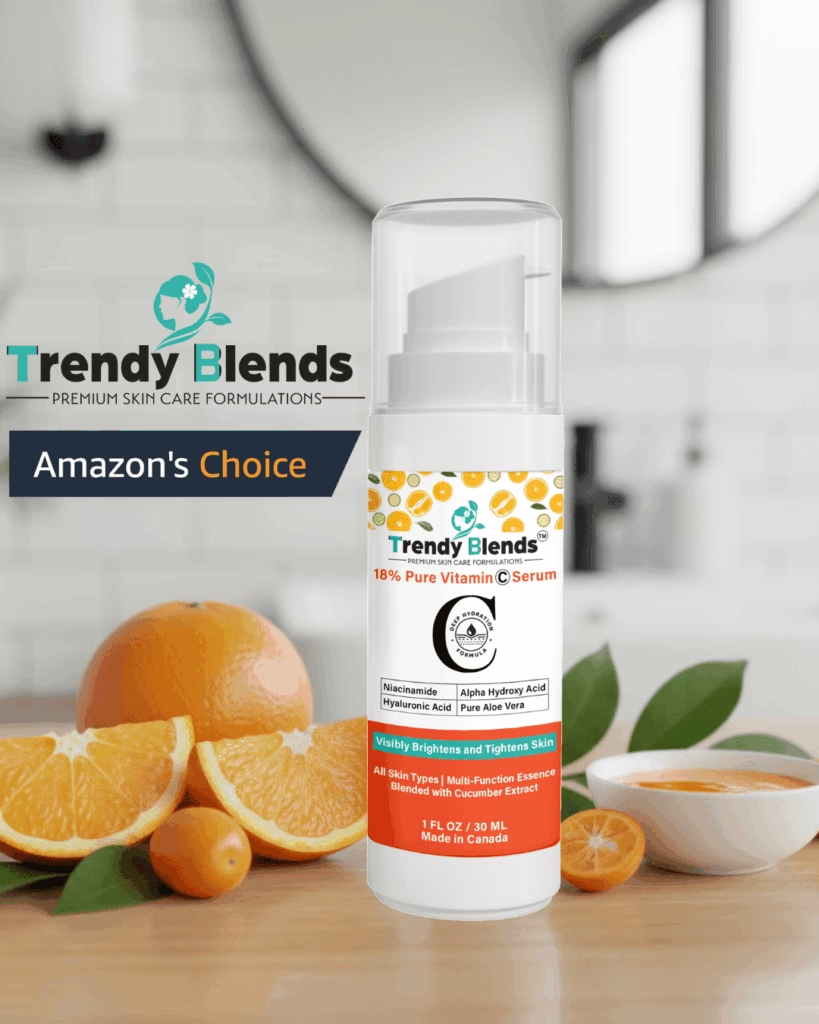
The Ultimate Skincare Staple. Hyaluronic Acid + Vitamin C = Maximum Glow. Shop the Duo!

Frequently Asked Questions
Q: Can I mix Vitamin C and Retinol in the palm of my hand?
A: No. This is not recommended. Mixing them directly can destabilize the molecules and alter the pH, likely rendering the Vitamin C ineffective and increasing irritation risks.
Q: How long does it take to see results?
A: With Vitamin C, look for improvements in tone within 4-6 weeks. With Retinol, give it at least 12 weeks for acne and up to 6 months for wrinkles. Consistency is more important than intensity. Remember that as you evaluate your skincare, you must compare vitamin c serum and retinol for anti-aging.
Q: Is Bakuchiol a real alternative to Retinol?
A: Bakuchiol is a plant-based ingredient that mimics some of Retinol’s effects without the irritation. While promising, the body of evidence supporting it is much smaller than that for Retinol. It is a great alternative for pregnant women who cannot use Retinol. It’s essential to compare vitamin c serum and retinol for anti-aging to understand which is more suitable for your needs.
When evaluating skincare, always compare vitamin c serum and retinol for anti-aging to maximize effectiveness. Ultimately, the decision to compare vitamin c serum and retinol for anti-aging will depend on your specific skin goals.
Conclusion
Ultimately, the key takeaway is to compare vitamin c serum and retinol for anti-aging when crafting your regimen. When we compare vitamin c serum and retinol for anti-aging, it becomes clear that there is no winner—because they are not competitors. In conclusion, you must regularly compare vitamin c serum and retinol for anti-aging to achieve your skincare goals.
Remember, consistently comparing vitamin c serum and retinol for anti-aging can lead to your best skin yet. Thus, as you explore this topic, always compare vitamin c serum and retinol for anti-aging.
For the ultimate anti-aging strategy, you shouldn’t choose between them. Instead, curate a routine that incorporates both: Vitamin C in the morning to brighten and protect, and Retinol at night to renew and restore. By respecting their differences and introducing them slowly, you can harness the full power of modern dermatological science for skin that looks healthy, vibrant, and timeless.
Disclaimer: This article is for informational purposes only. Always consult with a dermatologist before starting a new intense skincare regimen, especially if you have skin conditions like rosacea or eczema.
To maximize your skincare benefits, always keep in mind to compare vitamin c serum and retinol for anti-aging.
In summary, it’s crucial to compare vitamin c serum and retinol for anti-aging when considering your skincare approach. Always keep the importance of comparing vitamin c serum and retinol for anti-aging at the forefront of your routine. In conclusion, always remember to compare vitamin c serum and retinol for anti-aging to achieve optimal results. So, as you navigate the world of skincare, never forget to compare vitamin c serum and retinol for anti-aging.
