
Vitamin C and Retinol Together: The 2026 Layering Guide.
Table of Contents
Great Skin Begins with Layering the proper way.
Vitamin C and Retinol Together: The 2026 Layering Guide.
Embracing Vitamin C and Retinol Together: The 2026 Layering Guide will transform your skincare routine.
With the right approach, you can maximize the benefits of Vitamin C and Retinol Together: The 2026 Layering Guide.
This guide will show you how to use Vitamin C and Retinol Together: The 2026 Layering Guide effectively.
In the ever-evolving world of skincare, rules are meant to be broken. For years, we were told to keep our actives separated like feuding siblings. The old decree was simple: Vitamin C for breakfast, Retinol for dinner, and never the twain shall meet.
But as we step into 2026, the science of skincare has fundamentally shifted. We now know that these two powerhouses can not only coexist but actually thrive together. The synergy between brightening antioxidants and cell-renewing retinoids is undeniable.
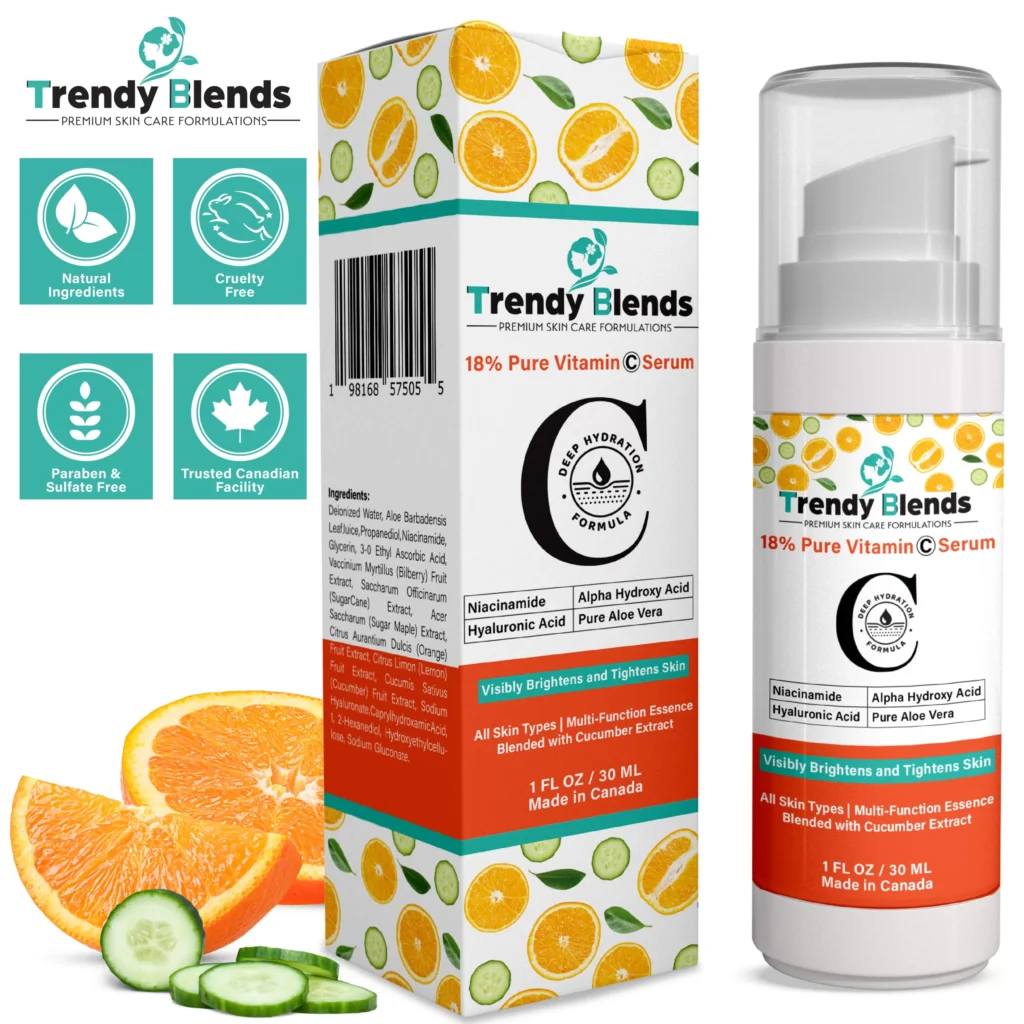
“Dullness has met its match. 🥊 Infused with potent antioxidants, our serum fights free radicals while you crush your to-do list.”
“The gold standard of Vitamin C. Fade dark spots, boost collagen, and let your natural skin do the talking. 🧪✨”
“Think of it as a morning espresso shot for your face. Wake up your complexion with Trendy Blends.”

Following Vitamin C and Retinol Together: The 2026 Layering Guide will elevate your skincare results. Understanding the significance of Vitamin C and Retinol Together: The 2026 Layering Guide is vital for a youthful glow. Many people are discovering the benefits of Vitamin C and Retinol Together: The 2026 Layering Guide.
Combining Vitamin C and Retinol Together: The 2026 Layering Guide leads to remarkable results.Follow the step-by-step instructions in Vitamin C and Retinol Together: The 2026 Layering Guide for the best outcomes. Using the insights from Vitamin C and Retinol Together: The 2026 Layering Guide will optimize your regimen.
Gain a deeper understanding with Vitamin C and Retinol Together: The 2026 Layering Guide. With Vitamin C and Retinol Together: The 2026 Layering Guide, you can achieve smoother skin.
The information in Vitamin C and Retinol Together is invaluable for effective skincare. Make the most out of Vitamin C and Retinol Together: The 2026 Layering Guide for radiant skin.
It is time to rewrite the rulebook on how we approach our evening routines.This guide will walk you through exactly how to combine these ingredients safely. We will debunk the outdated myths that have held your glow back for too long.
To enhance your routine, refer to Vitamin C and Retinol Together: The 2026 Layering Guide regularly. Adapt your habits with the tips from Vitamin C and Retinol Together:
The synergy found in Vitamin C and Retinol Together: The 2026 Layering Guide is truly remarkable. Vitamin C and Retinol Together: The 2026 Layering Guide changes how we perceive anti-aging. Seamlessly integrating Vitamin C and Retinol Together: The 2026 Layering Guide will enhance your skincare. Understanding the relationship between Vitamin C and Retinol Together: The 2026 Layering Guide is essential.
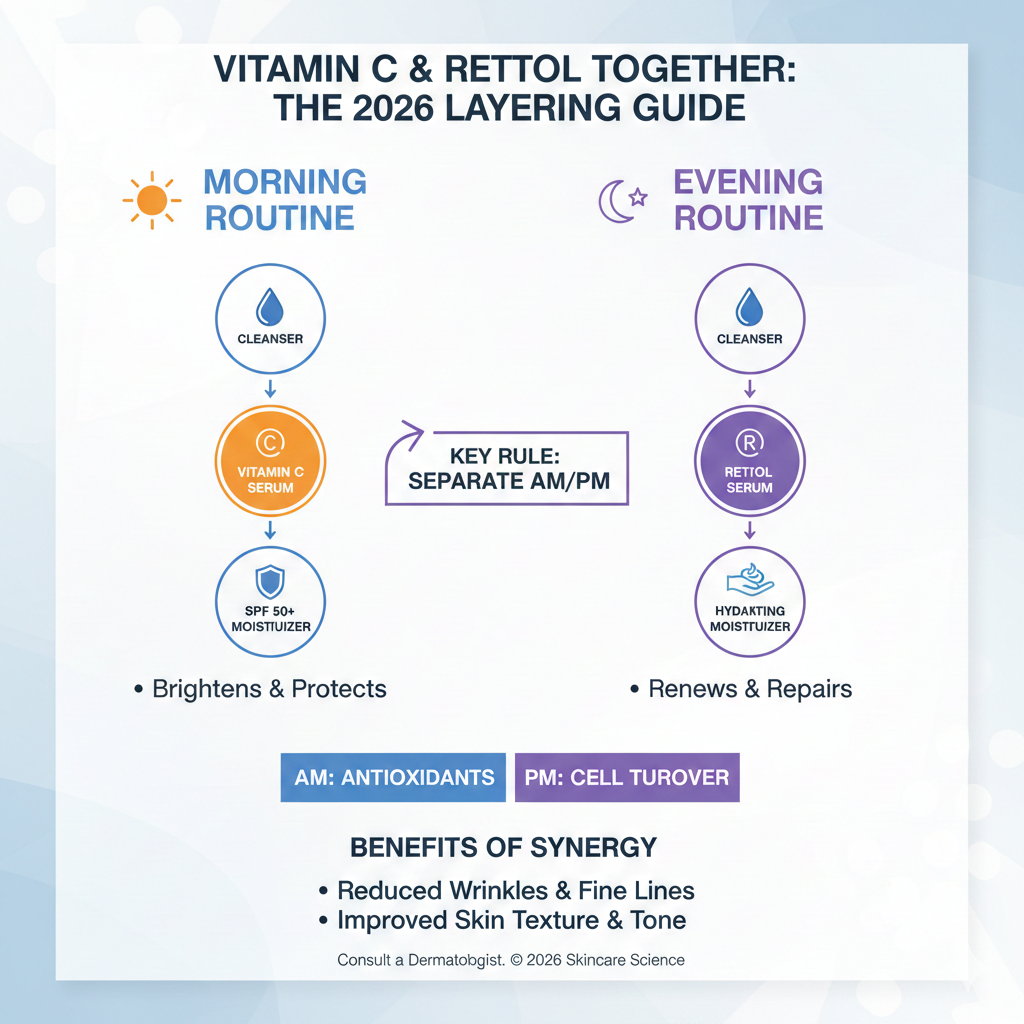
You will learn the precise timing that makes all the difference for your skin barrier. Get ready to discover the ultimate power couple for ageless, radiant skin.
The 2026 Guide to Layering: Can You Really Use Vitamin C and Retinol Together?
Unlocking the potential of Vitamin C and Retinol Together: The 2026 Layering Guide is a must for skincare enthusiasts.
Go beyond basic routines with Vitamin C and Retinol Together: The 2026 Layering Guide.
Vitamin C and Retinol Together: The 2026 Layering Guide is transforming skincare one step at a time.
Take your skincare to the next level with Vitamin C and Retinol Together: The 2026 Layering Guide.
Embrace the future of skincare with Vitamin C and Retinol Together: The 2026 Layering Guide.
Vitamin C and Retinol Together: The 2026 Layering Guide is your path to glowing skin.
For best results, always refer to Vitamin C and Retinol Together: The 2026 Layering Guide.
The short answer is a resounding yes, but with a few modern caveats. In the past, dermatologists worried that the acidity of Vitamin C would destabilize Retinol. They feared that layering them would render both ingredients ineffective on the skin.
This led to the rigid “AM/PM” split that dominated skincare routines for a decade.However, cosmetic chemistry has advanced significantly since those early warnings. Modern formulations now utilize stabilized delivery systems that protect the active ingredients.
Encapsulated Retinol, for instance, releases slowly, bypassing immediate interaction with surface acids. Similarly, newer forms of Vitamin C, like THD Ascorbate, are oil-soluble and less pH-dependent. This means the old “pH clash” is no longer a dealbreaker for most high-quality products.
You can now harness the collagen-boosting power of both actives in a single session. The key lies in understanding your specific product’s formulation and vehicle. By selecting the right Vitamin C Serum, you unlock a faster path to luminous skin. Let’s dive deeper into why the “deactivation” theory has been officially retired.
Busting the Deactivation Myth.
The biggest myth in skincare is that Vitamin C and Retinol “cancel each other out.” This misconception stems from a misunderstanding of how pH levels work on the skin’s surface. It was believed that Retinol required a neutral pH to function, while Vitamin C needed acidity. Critics argued that applying them together would create a neutral mess where neither worked.
Recent studies, however, have shown that skin is surprisingly good at buffering pH changes. When you apply an acidic serum, your skin’s acid mantle adjusts but doesn’t neutralize instantly. Furthermore, Vitamin C acts as a potent antioxidant that can actually stabilize Retinol. Retinol is highly susceptible to oxidation from air and light, which degrades its power.
By layering Vitamin C underneath, you provide a “shield” that preserves the Retinol’s integrity. This means using them together might actually make your Retinol treatment more effective. So, rather than deactivating each other, they act as a support system against aging.
It is a partnership based on protection and renewal, not chemical warfare.
The “Wait Time” Secret: Why 30 Seconds Matters.
While you can layer them, timing still plays a crucial role in minimizing irritation. We call this the “30-Second pH Reset,” a simple trick for maximum efficacy. You do not need to wait 30 minutes like the old forums used to suggest.
Waiting just 30 seconds between layers allows the first solvent to evaporate properly. This brief pause lets the Vitamin C penetrate the stratum corneum and settle. It prevents the physical “pilling” that happens when wet serums mix with heavier creams.
More importantly, it allows the skin’s surface pH to stabilize slightly before the next step. If you apply Retinol immediately over wet Vitamin C, you risk increasing penetration too quickly.
This rapid absorption can trigger the “flash burn” or stinging sensation sensitive types fear. By giving it that critical 30-second window, you ensure a controlled, gentle absorption. It is the difference between a deliberate treatment and a chaotic chemical cocktail. Mastering this pause is the secret to tolerating high-strength layering without redness.
The Science of Synergy: Why Combine Them?
Why would you risk layering them when you could just split them up? The answer lies in the compound effect on collagen production and pigmentation. Vitamin C is a tyrosinase inhibitor, meaning it stops pigment from forming at the source.
Retinol is a cell-communicator that speeds up the shedding of pigmented cells. When used together, you are attacking hyperpigmentation from both the beginning and end of the cycle. This two-pronged approach fades dark spots significantly faster than either ingredient alone.
Additionally, both ingredients are proven collagen stimulators, though they work via different pathways. Vitamin C provides the necessary cofactor for collagen enzymes to cross-link and stabilize.
Retinol flips the genetic switch that tells the fibroblast cells to produce more collagen. Using them in tandem creates a “surround sound” anti-aging effect for your dermis. The result is skin that looks firmer, brighter, and smoother in record time. This synergy is why dermatologists are increasingly recommending the combination for resilient skin.
Understanding Vitamin C in 2026
Not all Vitamin C serums are created equal, especially when layering. The classic L-Ascorbic Acid is potent but notoriously unstable and highly acidic. It requires a low pH (around 3.5) to penetrate the skin barrier effectively.
This acidity is what often causes the stinging when followed by other actives. However, 2026 has seen the rise of “next-generation” derivatives like Sodium Ascorbyl Phosphate. These newer forms are stable at a neutral pH, making them significantly friendlier to layer.
They do not require the acidic environment that clashes with some Retinol formulas. If you are a beginner to layering, we strongly recommend starting with a derivative. They offer the same brightening benefits with a fraction of the irritation potential.
Look for serums that also contain Vitamin E and Ferulic Acid for stability. These antioxidants boost the photoprotection of Vitamin C eight-fold. Choosing the right formula is the first step in your layering journey.
Understanding Retinol in 2026
Retinol has also undergone a massive technological upgrade in recent years.We have moved far beyond the harsh, alcohol-based tinctures of the past. Modern Retinol is often encapsulated in liposomes or lipid shells.
This encapsulation protects the molecule until it travels deep into the skin. It acts as a time-release mechanism, dripping the active ingredient slowly over hours. This slow-release technology drastically reduces surface irritation and redness. It also means the Retinol is less likely to react with the Vitamin C on the surface.
You might also encounter “Bio-Retinols” or plant-based alternatives like Bakuchiol. While gentler, true Retinol remains the gold standard for structural skin change. For layering, a cream-based Retinol often works better than a thin serum.
The cream base acts as a buffer, soothing the skin as the active works. Always check the percentage; 0.3% is a perfect starting point for layering.
The Ultimate Protocol: How to Layer Correctly
Now that we understand the players, let’s look at the game plan. The order of application is critical for absorption and efficacy. The general rule of thumb is “thinnest to thickest” consistency.
Step 1: Cleanse your skin thoroughly with a gentle, non-stripping cleanser.You want a clean canvas, but you need your lipid barrier intact.
Step 2: Apply your Vitamin C serum to dry skin.Pat it in gently and wait for that magic 30-second interval.
Step 3: Once the skin feels dry to the touch, apply your Retinol. Use a pea-sized amount for the entire face; more is not better here.
Step 4: Follow immediately with a barrier-repairing moisturizer. This “moisture sandwich” locks everything in and prevents trans-epidermal water loss. If your skin feels sensitive, you can swap steps 3 and 4 (the “buffering” method).
Consistency is key; try this routine two times a week to start.
Who Should Try Layering?
This advanced protocol is not necessary for every single skin type. It is best suited for “resilient” skin that has plateaued with basic routines. If you have used Retinol for 6 months without issues, you are a candidate.
Those with stubborn melasma or sun damage often see the best results. The combination aggressively targets the pigment that simpler routines leave behind. However, if you have rosacea or eczema, proceed with extreme caution.
The double dose of actives can trigger inflammation in compromised barriers. For sensitive skin, the classic AM/PM split remains a perfectly valid strategy. There is no shame in taking the slow road to healthy skin. Listen to your skin; stinging is a sign to step back, not push through.
The AM/PM Alternative
If the idea of layering makes you nervous, the split routine is timeless. This is the “Vitamin C in AM, Retinol in PM” method mentioned in the prompt. It maximizes the unique protective qualities of Vitamin C during the day. Vitamin C fights the free radicals generated by UV exposure and pollution.
Think of it as a safety net that catches what your sunscreen misses. Retinol, on the other hand, breaks down in sunlight, making it perfect for night. It works its repair magic while your body is in its regenerative sleep cycle.
This separation ensures zero risk of pH conflict or irritation overload. It also simplifies your routine, giving you fewer steps to worry about when tired. Many dermatologists still prefer this method for its safety and logic. You get 24-hour active coverage without ever overwhelming your skin barrier.
Essential Pro Tips for 2026
Pro Tip 1: Never skip sunscreen when using this duo.
Retinol thins the outer dead layer of skin, making you more sun-sensitive.
Pro Tip 2: Introduce a “Rest Day” into your weekly schedule.
Use actives for two days, then focus purely on hydration for one day.
Pro Tip 3: Don’t forget the neck and décolletage, but dilute the strength.
The skin on your neck is thinner and has fewer oil glands than your face.
Mix your Retinol Cream with moisturizer before applying it to these delicate areas.
Pro Tip 4: Buy airless pump packaging whenever possible.
Both Vitamin C and Retinol degrade when exposed to oxygen.
Jar packaging is the enemy of active ingredients; avoid it at all costs.
Pro Tip 5: Keep your Vitamin C in the fridge if it is pure L-Ascorbic Acid.
This simple trick can double the shelf life of your expensive serum.
Complementary Ingredients
To make this power couple work, you need a supporting cast of soothers. Hyaluronic Acid is the perfect hydration booster to layer in. It acts as a drink of water for skin that might be thirsty from Retinol.
Apply Hyaluronic Acid before your moisturizer to pull water into the skin.
Niacinamide (Vitamin B3) is another fantastic addition to this mix.
It stabilizes the skin barrier and actually helps skin tolerate Retinol better.
Many modern serums actually include Niacinamide alongside Retinol for this reason.
Ceramides are the mortar that holds your skin cells together.
Look for a moisturizer rich in ceramides to seal your evening routine.
Peptides are gentle signaling agents that pair well with everything.
They add an extra anti-aging kick without adding any irritation risk.
Avoid Alpha Hydroxy Acids (AHAs) like Glycolic Acid on layering nights.
Adding a third exfoliant to the mix is a recipe for a chemical burn.
Troubleshooting Sensitivity
Even with the best protocols, irritation can sometimes happen. If you notice flaking around the nose or mouth, stop the Retinol immediately. Switch to a “recovery routine” of just cleanser, moisturizer, and SPF. Wait until the skin is fully healed before reintroducing actives slowly. You can also try “short contact therapy” with your actives.
Apply the Retinol, leave it on for 30 minutes, and then wash it off. This gives you some benefits without the overnight irritation risk. Another sign of trouble is the “orange peel” texture or sudden oiliness. This indicates a damaged skin barrier that is overproducing oil to compensate. Hydration is the cure; load up on glycerin and panthenol-rich products.
The Verdict on Multi-Active Serums
A major trend for 2026 is the “all-in-one” super serum. Brands are now formulating single products that contain both Vit C and Retinol. These are formulated by chemists to ensure stability within that specific bottle. They often use derivatives that play nicely together in one suspension.
This is the safest and easiest way to layer for the average consumer. It removes the guesswork of timing, pH, and order of application. If you are busy or confused by steps, buy a pre-mixed multi-active serum. However, these are often less potent than separate, dedicated treatments. You trade customization and raw power for convenience and safety. For the skincare aficionado, separate steps usually yield superior long-term results.
Frequently Asked Questions
Can I use Vitamin C and Retinol together every night?
Technically yes, but we recommend starting with 2-3 times a week.
Does Vitamin C degrade Retinol?
No, stabilized Vitamin C can actually protect Retinol from oxidation.
What if my skin turns red?
Wash it off immediately and apply a soothing barrier cream.
Can I use rosehip oil instead of Retinol?
Rosehip oil contains trace amounts of Vitamin A but is not a substitute.
Is this safe for pregnancy?
No, oral and topical Retinoids are generally not recommended during pregnancy.
Always consult your doctor for a pregnancy-safe skincare routine.
Do I need a toner?
Only if it is a hydrating toner; avoid alcohol-based astringents here.
Conclusion
Vitamin C and Retinol Together: The 2026 Layering Guide showcases modern skincare techniques that elevate your routine.
Following the principles outlined in Vitamin C and Retinol Together: The 2026 Layering Guide ensures healthier skin.
For more expert advice, check out our guide on sensitive skin care and effective sun protection.
