
7 Steps: A Gentle Exfoliation Routine for Thin Aging Skin That Glows.
Table of Contents
7 Steps: A Gentle Exfoliation Routine for Thin Aging Skin That Glows
Hello, skincare lovers! If you have noticed your skin feeling a little more delicate lately, you are definitely not alone. As we journey through life, our complexion changes, often becoming thinner and more fragile. It can be a tricky balancing act to maintain that youthful radiance without causing irritation.
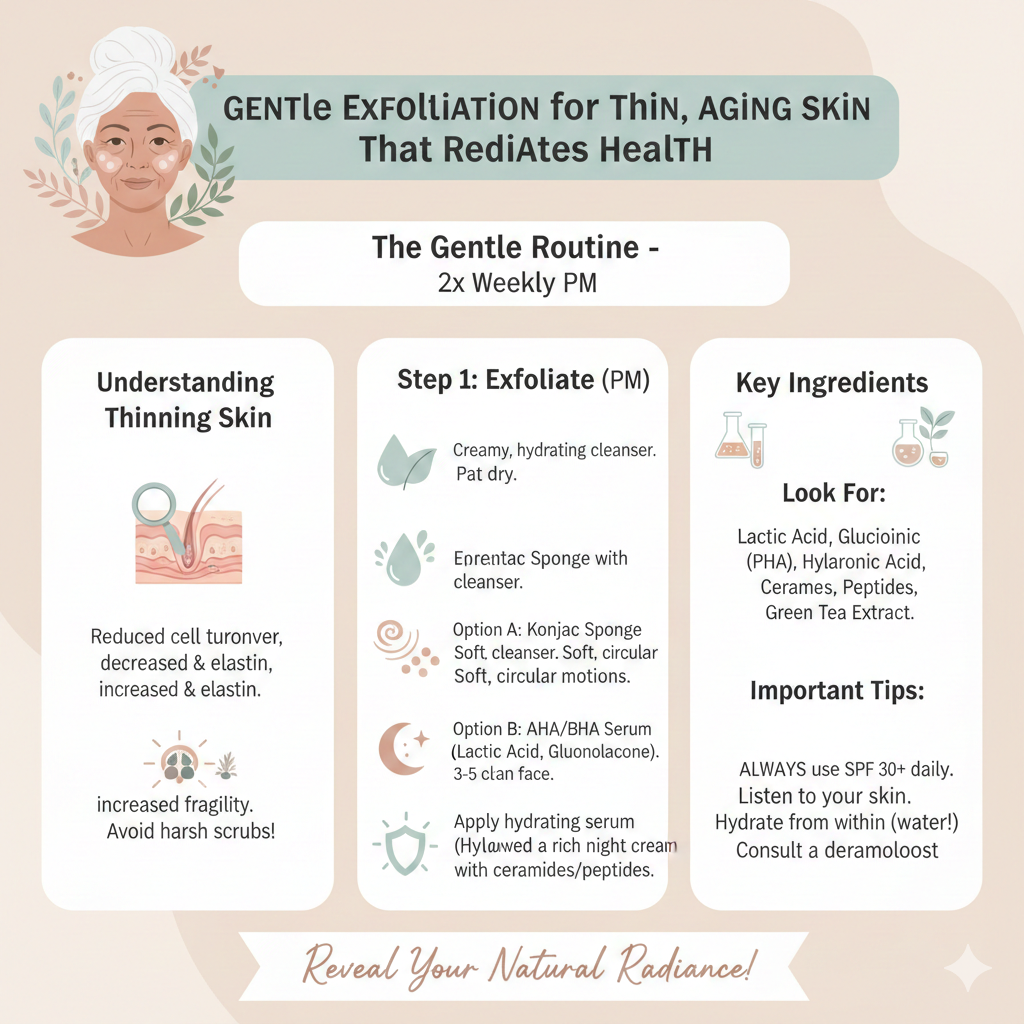
Many of us crave that fresh, dewy look that comes from sloughing away dead cells. However, finding a safe gentle exfoliation routine for thin aging skin can feel like searching for a needle in a haystack. Standard scrubs can feel too harsh, yet skipping exfoliation leaves us looking dull.
The good news is that you do not have to sacrifice your glow just because your skin is maturing. With the right approach, you can safely encourage cell turnover and reveal luminous skin. It is all about choosing the right ingredients and listening to your skin’s barrier.
In this deep dive, we are going to explore everything you need to know. We will cover the science of aging skin, the best ingredients to look for, and a complete step-by-step guide. Get ready to transform your regimen with a gentle exfoliation routine for thin aging skin.
Understanding Why Skin Thins as We Age.
Before we jump into the products, it is crucial to understand the biology behind our changing complexions. As we age, our body’s production of collagen and elastin slows down significantly. These are the structural proteins that give our skin its plumpness and bounce.
Without this strong scaffolding, the dermis (the deeper layer of skin) becomes thinner. Simultaneously, the fatty layer underneath starts to deplete, losing that cushiony volume we had in our twenties. This process makes the skin appear more transparent and fragile like tissue paper.
Because the barrier is thinner, it is more susceptible to micro-tears and moisture loss. This is exactly why a harsh scrub that you loved ten years ago might cause redness today. You need a gentle exfoliation routine for thin aging skin that respects this new delicacy.
According to the American Academy of Dermatology, safe exfoliation is key to avoiding damage. We want to lift off dead cells without stripping away the essential lipids that protect your face. It is a delicate balance, but one that is entirely achievable.
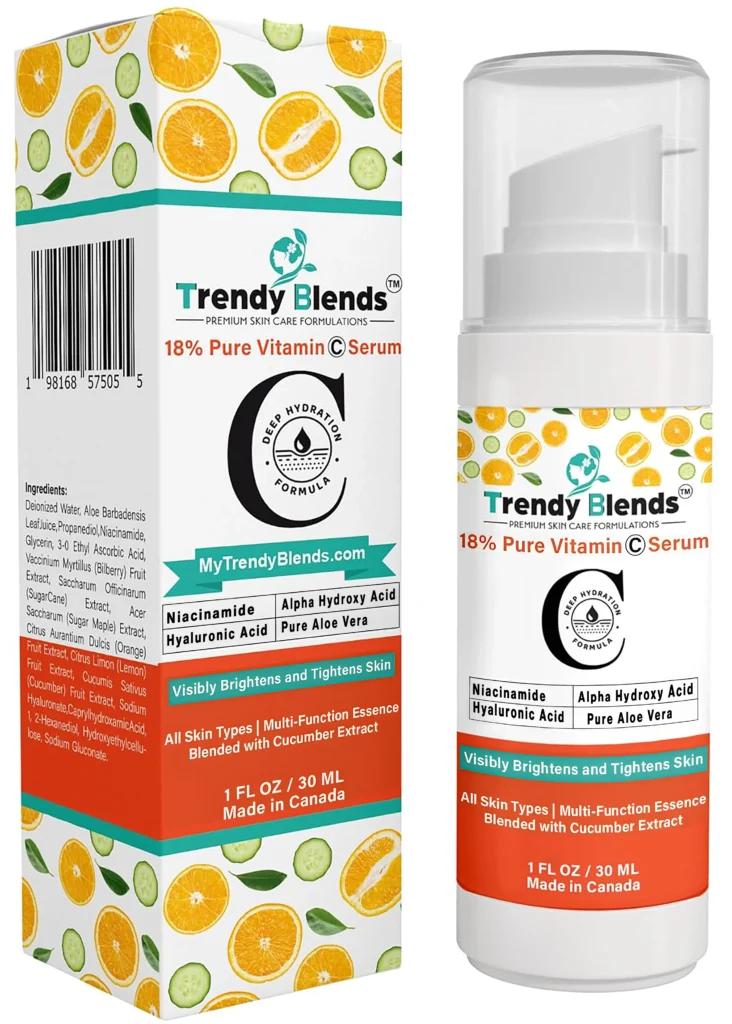
Thin skin? Meet your new best friend. 🍊
Stop choosing between “effective” and “gentle.” Our Vitamin C Serum provides a lit-from-within glow specifically formulated for mature, delicate complexions.

The Benefits of Exfoliating Mature Skin.
You might be wondering if you should just skip exfoliation altogether to be safe. The answer is a resounding no, because exfoliation is actually vital for aging skin. As we get older, our natural cell turnover rate slows down dramatically.
In our youth, cells replace themselves every 28 days or so. By the time we reach our 50s and 60s, that cycle can stretch to 45-60 days or even longer. This lag causes dead cells to pile up on the surface, leading to a rough texture and a dull, gray appearance.
A consistent gentle exfoliation routine for thin aging skin helps nudge this process along. By removing that top layer of dead debris, you signal your skin to produce fresh, new cells. This can help diminish the appearance of fine lines and hyperpigmentation.
Furthermore, removing that barrier of dead skin allows your other products to work better. Your expensive serums and moisturizers can finally penetrate deep into the epidermis. Essentially, exfoliation makes every other step in your beauty routine more effective.
Physical vs. Chemical Exfoliation: What is Best?
When designing a gentle exfoliation routine for thin aging skin, the method matters immensely. There are two main categories of exfoliants: physical and chemical. Physical exfoliants use granules or tools to manually scrub away skin.
For thin skin, physical scrubs are often too aggressive and risky. Walnut shells, apricot pits, or coarse sugar can create microscopic tears in a compromised barrier. These micro-injuries can lead to inflammation, broken capillaries, and persistent redness.
Chemical exfoliation, on the other hand, uses acids or enzymes to dissolve the “glue” holding dead cells together. This allows the dead skin to shed naturally without any abrasive scrubbing. For mature faces, chemical exfoliants are generally the superior choice.
However, not all chemicals are created equal. You need to avoid high concentrations of strong acids like glycolic acid if your skin is very thin. Instead, we look for larger molecules and hydrating acids that provide a gentle exfoliation routine for thin aging skin.
Ingredient Spotlight: Polyhydroxy Acids (PHAs)
If there is one hero ingredient for delicate complexions, it is Polyhydroxy Acids, or PHAs. Think of PHAs as the gentler, more hydrating cousins of Alpha Hydroxy Acids (AHAs). Common PHAs include gluconolactone and lactobionic acid.
PHAs have a much larger molecular structure than traditional acids. This means they cannot penetrate the skin as deeply or as quickly. They work strictly on the surface, reducing the risk of irritation and stinging significantly.
In addition to exfoliating, PHAs are humectants, meaning they attract moisture to the skin. This dual action makes them perfect for a gentle exfoliation routine for thin aging skin. You get the glow of exfoliation with the hydration of a moisturizer.
Health resources like Healthline praise PHAs for their ability to strengthen the skin barrier. They are also rich in antioxidants, which help fight off environmental damage. It is a win-win for anyone worried about sensitivity.
Ingredient Spotlight: Lactic Acid
Another fantastic option for your routine is Lactic Acid. Derived traditionally from milk, this is an Alpha Hydroxy Acid (AHA) that is famous for its hydrating properties. Unlike other AHAs that can be drying, lactic acid improves the skin’s natural moisture factors.
It is slightly more potent than PHAs but generally much better tolerated than Glycolic Acid. It works to brighten uneven skin tone and smooth out rough patches effectively. Lactic acid is particularly good at fading age spots and sun damage over time.
When choosing a product, look for low concentrations, typically between 5% and 10%. This ensures you get the benefits of a gentle exfoliation routine for thin aging skin without the burn. Always do a patch test before applying it to your entire face.
For those with extremely reactive skin, sticking to PHAs might be safer. But if your skin can handle a little more activity, Lactic Acid is a gold standard. It leaves the skin feeling incredibly soft and looking visibly brighter.
Ingredient Spotlight: Fruit Enzymes
For those who want a natural alternative to acids, fruit enzymes are a spectacular choice. These are typically derived from fruits like papaya (papain), pineapple (bromelain), or pumpkin. They work by digesting the keratin protein that binds dead skin cells.
Enzymes are fascinating because they only target dead skin cells, leaving live tissue alone. This makes it almost impossible to over-exfoliate with an enzyme cleanser or mask. It is a self-regulating gentle exfoliation routine for thin aging skin.
They are perfect for a weekly “spa night” treatment at home. Enzyme masks usually feel cool and soothing on the skin, rather than tingly. You simply apply, wait a few minutes, and rinse away the dullness.
Many dermatologists recommend enzymes for post-menopausal skin that has become paper-thin. It provides that immediate gratification of smooth skin without the recovery time. Plus, they smell absolutely delicious!
Step 1: The Prep Cleanse
Now, let’s build your actual regimen, starting with the cleanse. You never want to exfoliate dirty skin, as you could push bacteria deeper into the pores. Start with a creamy, non-foaming cleanser that respects your lipid barrier.
Avoid harsh sulfates that strip away your natural oils. Look for ingredients like glycerin, ceramides, and oat extract. Your skin should feel soft and pliable after washing, not tight or “squeaky clean.”
Gently massage the cleanser in circular motions for a full minute. Rinse with lukewarm water—never hot, as heat exacerbates dryness and broken capillaries. Pat your face dry with a soft microfiber towel; do not rub.
Starting with a calm, clean canvas is essential for a gentle exfoliation routine for thin aging skin. It ensures that the active ingredients you apply next can work evenly.
Step 2: The Exfoliation Phase
This is the main event where you apply your chosen exfoliant. If you are using a toner with PHAs or Lactic Acid, saturate a cotton pad and swipe gently. If you are using an enzyme mask, apply a thin layer and let it sit for the recommended time.
Frequency is the most critical factor here for thin skin. You should not exfoliate every day; once or twice a week is plenty. Over-doing it will damage your barrier and defeat the purpose of a gentle exfoliation routine for thin aging skin.
Listen to your skin during this step. A slight tingle is normal, but burning or stinging is a sign to rinse immediately. Remember, we are coaxing the skin, not forcing it.
If you are using a leave-on serum, apply it sparingly. A pea-sized amount is usually sufficient for the whole face. Always avoid the delicate eye area where skin is thinnest.
Step 3: The Hydration Flood
Immediately after exfoliating, your skin is primed to drink up moisture. This is the perfect moment to apply a hydrating serum. Hyaluronic acid is the industry standard here, capable of holding 1000 times its weight in water.
Applying hydration now helps to soothe any potential irritation from the exfoliation. It plumps up the skin cells, instantly reducing the look of fine wrinkles. This step turns a simple exfoliation into a luxurious facial.
Look for serums that also contain soothing botanicals like aloe vera or centella asiatica. These ingredients calm inflammation and redness instantly. They are the perfect companions to a gentle exfoliation routine for thin aging skin.
Press the serum into your skin using your palms. Do not rub; just press and hold to encourage absorption. Your skin should feel cool and refreshed.
Step 4: Barrier Repair and Locking it In
After hydration, you must seal everything in with a rich moisturizer. Because you have just removed a layer of dead skin, your fresh skin needs protection. You want a cream rich in lipids, ceramides, and fatty acids.
These ingredients mimic the skin’s natural barrier, patching up any weak spots. A good barrier repair cream prevents Transepidermal Water Loss (TEWL). This ensures your gentle exfoliation routine for thin aging skin does not lead to dryness.
Don’t be afraid of heavier textures at night. Mature skin often lacks oil, so a rich cream is usually very welcome. If you are exfoliating in the morning, a lighter texture is fine, provided it is moisturizing.
For an extra boost, you can add a few drops of facial oil like rosehip or squalane. These oils are bio-compatible and sink right in. They give you that coveted “glass skin” finish.
Step 5: The Non-Negotiable Sunscreen
If you take nothing else away from this article, remember this: exfoliation requires sun protection. Removing dead skin cells reveals fresh, baby-soft skin that is highly sensitive to UV rays. Without SPF, you are undoing all your hard work.
Sun damage is the number one cause of skin thinning and aging. You must wear a broad-spectrum SPF 30 or higher every single day. This applies even if you are staying indoors or if it is cloudy.
Mineral sunscreens containing zinc oxide or titanium dioxide are often best for sensitive skin. They sit on top of the skin rather than absorbing into it, reducing irritation risks. They are the final shield in your gentle exfoliation routine for thin aging skin.
According to the Skin Cancer Foundation, daily sunscreen use is the best anti-aging habit you can have. Make it the final step of your morning routine, always.
What to Avoid: The “Don’ts” of Exfoliation
Knowing what to avoid is just as important as knowing what to use. As mentioned, steer clear of crushed nut scrubs, salt scrubs, or coffee scrubs. They are simply too jagged for thin, aging tissue.
You should also be wary of “at-home peels” that promise clinical results. High percentages of glycolic acid (above 10%) or salicylic acid can cause chemical burns on thin skin. Stick to products specifically formulated for a gentle exfoliation routine for thin aging skin.
Avoid combining multiple exfoliants at once. Do not use an exfoliating cleanser, followed by a toner, followed by a serum. That is a recipe for disaster and a destroyed moisture barrier.
Also, be careful with retinol. Retinol is a powerhouse for aging, but it also increases cell turnover. If you use retinol, you may need to exfoliate even less frequently.
Signs You Are Over-Exfoliating
How do you know if you have gone too far? The skin has a way of telling you very clearly. If your face looks shiny but feels tight and dry, you have over-exfoliated.
Redness, itching, and peeling are also obvious signs of distress. You might notice that your regular moisturizer suddenly stings when you apply it. This indicates your acid mantle has been compromised.
If this happens, stop your gentle exfoliation routine for thin aging skin immediately. Switch to a “recovery routine” of just cleanser, moisturizer, and SPF for two weeks. Let your barrier heal completely before reintroducing actives.
Patience is a virtue in skincare. It is better to under-exfoliate than to over-exfoliate. You can always add more later, but you cannot undo a burn instantly.
Lifestyle Factors for Plumper Skin
Topical treatments are only half the battle. Your internal health reflects on your skin, especially as you age. Hydration is critical; drinking enough water helps maintain skin turgor and thickness.
A diet rich in Omega-3 fatty acids is also incredibly beneficial. Foods like salmon, walnuts, and flaxseeds help keep cell membranes healthy and moist. This internal lubrication supports your gentle exfoliation routine for thin aging skin.
Sleep is another huge factor. During deep sleep, your body repairs collagen and elastin. Skimping on sleep will make your skin look thinner and more haggard, regardless of your products.
Finally, avoid smoking and excessive alcohol. Both of these habits degrade collagen rapidly and thin the skin. A healthy lifestyle makes your skincare products work exponentially better.
Recommended Tools for Application
While we generally avoid abrasive tools, some gentle tools can assist your routine. A konjac sponge is a fantastic, soft option for cleansing. It is made from a root vegetable and becomes jelly-like when wet.
Soft silicone cleansing brushes can also be used, but with very light pressure. They help to massage the skin and boost circulation without scratching. Circulation brings nutrient-rich blood to the surface, aiding in the glow.
Avoid rough washcloths or loofahs on the face. Keep those for the body, where skin is thicker. Your face requires the tenderest touch in your gentle exfoliation routine for thin aging skin.
Cotton pads used for toners should be high quality and lint-free. Rough generic pads can actually cause micro-friction. Treat your face like the finest silk.
Adapting the Routine for Different Seasons
Your skin’s needs will shift as the seasons change. In the winter, the air is drier, and indoor heating sucks moisture from your pores. You might need to exfoliate less often, perhaps once every 10 days.
During winter, lean heavily into oil-based exfoliants or creamy enzyme masks. These provide a buffer against the dry air. Your gentle exfoliation routine for thin aging skin must prioritize moisture retention above all else in January.
In the summer, humidity levels rise, and you might sweat more. You may tolerate slightly more frequent exfoliation during these months. However, the sun is stronger, so your SPF diligence must be at an all-time high.
Always assess your skin daily. If it feels robust, proceed. If it feels sensitive, skip the exfoliation step that night.
Expert Tips from Dermatologists
Top dermatologists agree that “less is more” for mature skin. Dr. Dray and other online dermatology voices frequently cite PHAs as the game-changer for sensitive, aging types. They emphasize that the goal is healthy skin, not “perfect” skin.
Experts also suggest applying your products to damp skin. Damp skin is more permeable, allowing for better absorption of hydrators. However, acids should usually be applied to dry skin to prevent them from penetrating too fast and stinging.
They also recommend doing your gentle exfoliation routine for thin aging skin at night. This gives your skin the full night to recover and rebuild its barrier. Plus, you aren’t immediately exposing fresh skin to sunlight.
Consulting a professional once a year is also a good idea. They can assess your skin thickness and give personalized advice.
Addressing Common Myths
There is a myth that you need to “feel the burn” for a product to work. This is dangerous advice for thin skin. Effective skincare should feel comfortable and soothing, not painful.
Another myth is that exfoliation thins the skin. While it removes the dead top layer, it actually stimulates the thickening of the living layers below by boosting collagen. So, a correct gentle exfoliation routine for thin aging skin actually makes skin structurally thicker over time.
Some believe natural ingredients are always safe. This is false; lemon juice and baking soda are natural but terrible for your pH balance. Always stick to formulated products, not kitchen chemistry.
Finally, people think expensive means better. There are plenty of affordable drugstore brands that offer excellent lactic acid and PHA products.
The Role of Retinoids
We touched on this briefly, but it deserves its own section. Retinoids (vitamin A derivatives) are the gold standard for thickening the dermis. They are not exfoliants in the traditional sense, but they do regulate cell turnover.
If you are using a prescription tretinoin or over-the-counter retinol, you are already getting substantial turnover. You may not need to add a separate acid exfoliant. Or, you might alternate them on different nights.
A pattern like “Skin Cycling” can be helpful. Night 1: Exfoliate. Night 2: Retinol. Night 3 & 4: Recovery (just moisturizer). This cycle works wonders as a gentle exfoliation routine for thin aging skin.
Always introduce retinoids slowly. Start once a week and build up. They pair beautifully with a gentle routine if managed correctly.
FAQ: Your Questions Answered
Q: Can I exfoliate if I have rosacea? A: Yes, but be extremely careful. Stick to PHAs or very mild enzymes. Avoid all physical scrubs. Consult your dermatologist first.
Q: How long until I see results? A: You should feel softer skin immediately. However, visual changes in brightness and texture typically take 4-6 weeks of a consistent gentle exfoliation routine for thin aging skin.
Q: Can I use Vitamin C with exfoliants? A: It is best to separate them. Use Vitamin C in the morning to protect against free radicals, and use your exfoliants at night. This reduces the risk of irritation.
Q: Is glycolic acid ever okay? A: In very low percentages (under 5%) and buffered formulas, it can be okay. But typically, lactic or mandelic acid is a safer bet for thinning skin.
Product Recommendations Criteria
When shopping, how do you spot the right product? Look for words like “calming,” “gentle,” “daily,” and “sensitive skin.” Scan the ingredient list for aloe, chamomile, and hyaluronic acid near the top.
Avoid products with high alcohol content (SD Alcohol, Denatured Alcohol). These are very drying and stripping. A gentle exfoliation routine for thin aging skin relies on nurturing formulas.
Check the pH level if the brand discloses it. An exfoliant should be slightly acidic (pH 3.5-4.0) to work, but not too acidic.
Read reviews from other users with mature skin. Their experiences are invaluable guides.
Conclusion: Embrace Your Glow
Aging is a privilege, and your skin tells the story of your life. Treating it with kindness and respect is the ultimate beauty secret. By adopting a gentle exfoliation routine for thin aging skin, you are honoring your skin’s needs while enhancing its natural beauty.
You do not need harsh treatments to look radiant. With the power of PHAs, lactic acid, and enzymes, you can uncover a luminous complexion safely. Remember to prioritize hydration, barrier repair, and sun protection above all else.
Listen to your skin, take your time, and enjoy the ritual of self-care. Your skin will thank you with a healthy, vibrant glow that defies the numbers. Here is to looking as young as you feel!
Would you like me to create a customized weekly skincare schedule based on this article that you can print out?
External References;
- American Academy of Dermatology: How to Safely Exfoliate at Home
- Healthline: The Benefits of PHAs for Sensitive Skin
- Skin Cancer Foundation: All About Sunscreen
- Byrdie: The Difference Between AHAs, BHAs, and PHAs
- Cleveland Clinic: Skin Care Tips for Aging Skin
- WebMD: Understanding Skin Changes with Age
- Paula’s Choice: How to Exfoliate Skin
- Women’s Health Mag: Best Exfoliators for Mature Skin
