
Exosomes vs. Retinol: 5 Secrets for Ageless Sensitive Skin.
Table of Contents
The Great Debate: Why Exosomes Might Outperform Retinol for Delicate Skin.
The quest for eternal youth often feels like a battle against your own face. For decades, one ingredient has reigned supreme as the gold standard of anti-aging. However, a new biological powerhouse has entered the chat, sparking a fierce debate in the dermatology world.
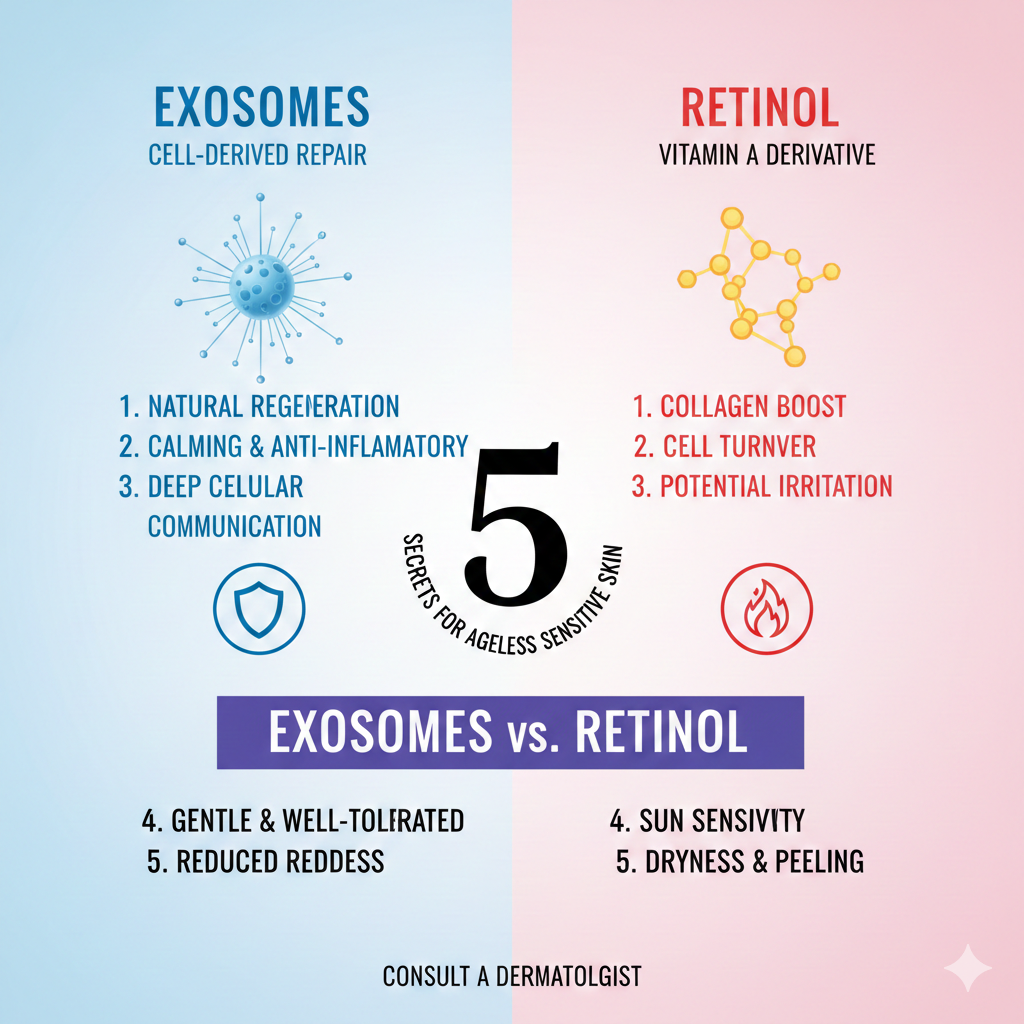
If you have sensitive skin, you likely know the struggle of choosing between efficacy and irritation. You want the results, but you can’t handle the redness and peeling that often comes with potent actives. This is where the conversation about Exosomes vs. Retinol becomes critical for your routine.
We are witnessing a paradigm shift from forcing skin to turnover to inviting it to repair itself. Retinol has long been the king, but exosomes are the queens of cellular communication. Understanding the difference could be the key to unlocking the glass skin of your dreams.
In this deep dive, we will explore the science, the benefits, and the verdict on Exosomes vs. Retinol. We’ll strip away the marketing fluff and look at what really happens at a cellular level. It is time to decide which powerhouse deserves a spot on your vanity.
The Old Guard: Why Retinol Rules (and Hurts)
To understand the Exosomes vs. Retinol debate, we must first respect the incumbent. Retinol is a derivative of Vitamin A and has been the most researched anti-aging ingredient for over thirty years. It works by communicating with your skin cells, telling them to divide and refresh faster.
This accelerated cell turnover is brilliant for smoothing fine lines and fading dark spots. It essentially forces your skin to act younger by shedding dull layers rapidly. For many, this process reveals a fresh, glowing complexion after a few months of consistent use.
However, this forced regeneration comes at a steep price for those with a delicate barrier. The infamous “retinol uglies”—dryness, peeling, redness, and purging—are almost a rite of passage. For sensitive skin types, this stage often never ends, leading to chronic inflammation.
Chronic inflammation is ironically a cause of premature aging, a phenomenon known as “inflammaging.” So, if your anti-aging product is constantly irritating you, it might be doing more harm than good. This drawback is exactly why the Exosomes vs. Retinol conversation is gaining so much momentum today.
The New Frontier: What Exactly Are Exosomes?
Exosomes are not cells; they are the messengers that cells use to talk to each other. Think of them as tiny, nano-sized envelopes filled with peptides, growth factors, and genetic material. They travel between cells, delivering instructions to repair, regenerate, and rejuvenate.
Unlike retinol, which pushes the skin to work harder, exosomes provide the resources the skin needs to heal itself. They are naturally occurring in the body and play a pivotal role in wound healing and tissue regeneration. In skincare, they are usually derived from stem cells or plant sources.
When we compare Exosomes vs. Retinol, we are comparing a commander shouting orders to a supply drop bringing aid. Exosomes essentially say to your aging cells, “Here are the tools you need to act young again.” This leads to an increase in collagen and elastin without the trauma associated with harsh exfoliation.
Because they are lipids, exosomes can penetrate the skin barrier easily and deeply. They don’t sit on the surface causing irritation; they dive deep to deliver their cargo. This fundamental difference is why they are being hailed as the future of sensitive skincare.
Exosomes vs. Retinol: The Mechanism of Action
The primary difference lies in how these two ingredients achieve their results. Retinol operates through a process of irritation and stimulation. It binds to retinoid receptors in the skin, triggering a cascade that speeds up the lifecycle of a skin cell.
This speed is effective, but it disrupts the skin barrier function in the short term. It thins the stratum corneum, making the skin more susceptible to UV damage and environmental toxins. This is why retinol users must be religiously devoted to sunscreen.
On the other side of the Exosomes vs. Retinol coin, exosomes work via paracrine signaling. They dock with target cells and release their bioactive contents, which then modulate cellular behavior. They downregulate inflammation while upregulating collagen production.
This means you get the anti-aging benefits—firmer skin, reduced wrinkles, better texture—without the inflammatory response. In fact, exosomes are often used to treat inflammation and speed up healing after laser procedures. This restorative nature gives them a massive edge for sensitive skin.
Why Sensitive Skin Loves Exosomes
Sensitive skin is characterized by a compromised barrier and a high baseline of inflammation. Adding a harsh active like retinol is like pouring gasoline on a flickering fire. It might burn brighter for a second, but it eventually burns out the skin’s resources.
When evaluating Exosomes vs. Retinol for sensitive types, exosomes are undeniably the safer bet. They help rebuild the skin barrier by delivering lipids and proteins directly to the cells that need them. This strengthening effect reduces sensitivity over time.
Retinol, conversely, strips the barrier initially, which can lead to a cycle of dermatitis and reactivity. Many people with rosacea or eczema are strictly forbidden from using strong retinoids. Exosomes, however, have shown promise in calming these exact conditions.
If your skin turns red at the mere mention of an acid or a scrub, you are the ideal candidate for exosome therapy. You get the rejuvenation without the risk of wrecking your moisture barrier. It is a gentler, kinder path to youthfulness.
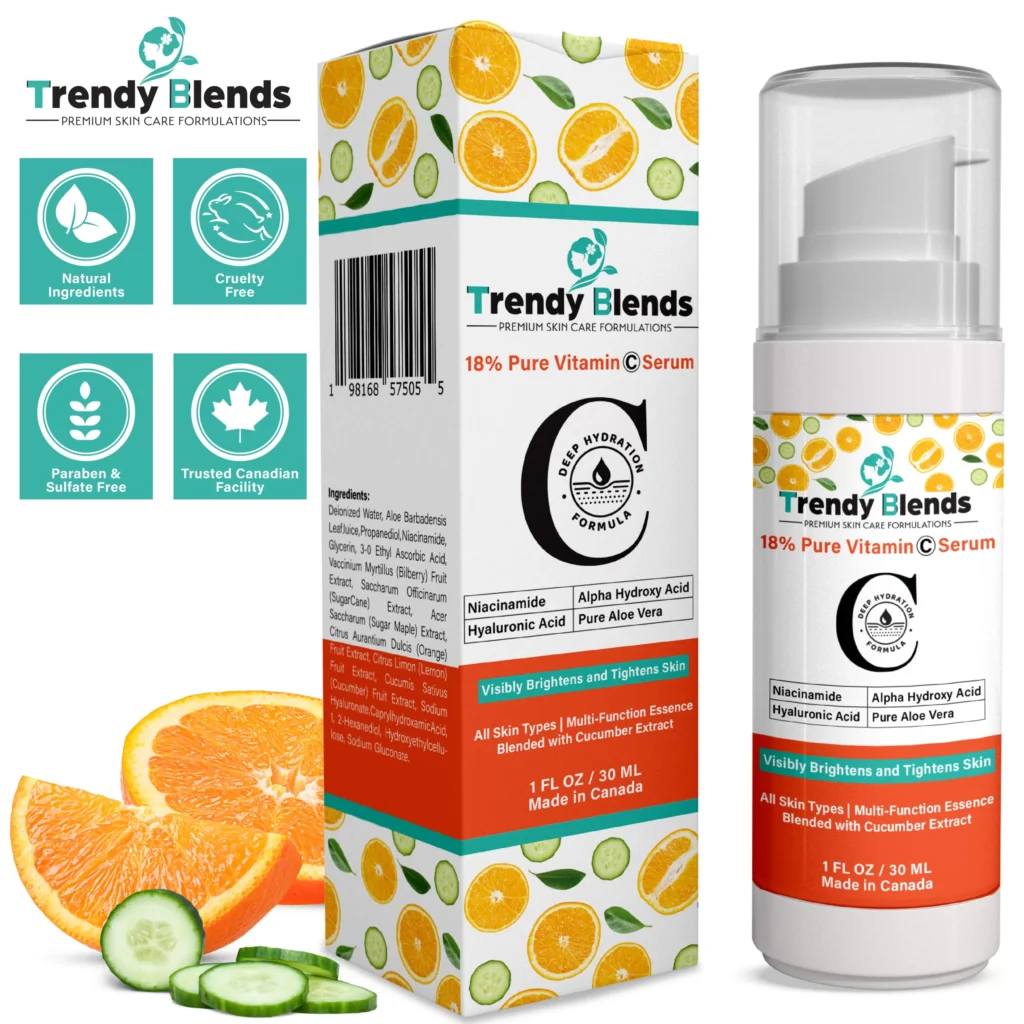
We’ve all heard the Retinol hype, but for the sensitive skin crew, that “glow” often comes with a side of redness. Enter: Trendy Blends Vitamin C Serum.
In our latest deep dive, “Exosomes vs. Retinol: 5 Secrets for Ageless Sensitive Skin,” we break down why modern recovery tech is changing the game. While Retinol works hard, our Vitamin C serum works smart—brightening and protecting without the “retinol burn.”

The “Glass Skin” Factor
We all want that translucent, poreless, reflective “glass skin” look. Achieving this requires two things: extreme hydration and a smooth surface texture. Retinol is excellent at smoothing texture, but it is terrible for hydration.
Retinol is notorious for causing Transepidermal Water Loss (TEWL), leaving skin feeling tight and dry. You have to compensate with heavy moisturizers and oils just to maintain balance. This dehydration can actually make fine lines look worse temporarily.
In the Exosomes vs. Retinol comparison, exosomes are the hydration heroes. Because they repair the barrier, they help the skin lock in moisture more effectively. Plump, hydrated skin naturally reflects light better, giving you that coveted glow instantly.
Furthermore, exosomes often come suspended in hydrating serums rich in hyaluronic acid. The combination of barrier repair and deep hydration creates the perfect canvas for glass skin. You don’t have to suffer through a “dry phase” to get there.
Speed of Results: The Patience Game
One of the biggest frustrations with skincare is the waiting game. Retinol is a marathon runner; it takes at least 12 weeks to see significant changes in wrinkles. You have to endure the side effects for months before you reap the rewards.
Exosomes are sprinters that also have endurance. Clinical studies suggest that exosome therapy can show visible improvements in skin texture and tone in as little as 2 to 6 weeks. Research on exosome efficacy highlights their rapid ability to signal tissue repair.
This speed is due to the direct delivery of growth factors. Your cells don’t have to manufacture everything from scratch; they are given a “starter pack” of proteins. This bypasses the lag time usually associated with signaling pathways.
When weighing Exosomes vs. Retinol on speed, exosomes often win for immediate radiance and calming. Retinol wins for long-term structural remodeling over years. But for someone wanting to look better for an event next month, exosomes are the clear choice.
The Cost of Beauty: Accessibility vs. Exclusivity
We must address the elephant in the room: the price tag. Retinol is democratized; you can buy an effective serum at the drugstore for twenty dollars. It is accessible to everyone and widely available in countless formulations.
Exosomes are currently a luxury, often found in high-end serums or professional medical aesthetic treatments. Harvesting and stabilizing exosomes is a complex, expensive biotechnological process. This makes exosome products significantly pricier than their Vitamin A counterparts.
However, when comparing Exosomes vs. Retinol, you must also factor in the “hidden costs” of retinol. These include the barrier repair creams, the soothing masks, and the potential dermatologist visits for irritation. Sometimes, the cheaper option ends up costing more in maintenance.
As technology advances, exosome skincare is becoming more affordable and accessible. But for now, it remains a premium investment for those serious about skin health. Is it worth the splurge? For sensitive skin, the answer is often a resounding yes.
Can You Use Both Together?
Here is the secret twist in the Exosomes vs. Retinol saga: they actually love each other. You don’t necessarily have to choose one or the other if your wallet allows for both. In fact, exosomes can mitigate the side effects of retinol.
Using an exosome serum in the morning and a retinol at night can be a power move. The exosomes fortify the barrier and calm inflammation during the day. This prepares the skin to tolerate the retinol application in the evening.
Some advanced formulations are even combining the two into single products. The idea is that the exosomes act as a buffer, preventing the retinoid dermatitis that usually occurs. Dermatologists often recommend buffering techniques for sensitive skin, and exosomes are the ultimate buffer.
If you are a die-hard retinol user but hate the dryness, adding exosomes could be the missing link. It allows you to keep the turnover benefits of Vitamin A while enjoying the restorative benefits of exosomes. It is the best of both worlds.
Safety Profile and Stability
One of the challenges with retinol is its instability. It degrades quickly in sunlight and air, which is why it comes in opaque bottles. It is also contraindicated during pregnancy and breastfeeding, limiting who can use it.
Exosomes, depending on their source, can be quite stable, but they require advanced encapsulation technologies. Plant-derived exosomes are gaining popularity for their stability and safety profile. They are generally considered safe for all skin types and conditions.
In the safety analysis of Exosomes vs. Retinol, exosomes have fewer contraindications. They are not known to cause photosensitivity, meaning you can use them during the day without fear. Retinol makes you sun-sensitive, increasing the risk of sunburn if you aren’t careful.
For pregnant women looking for anti-aging alternatives, exosomes offer a promising avenue (though always consult a doctor). They don’t carry the teratogenic risks associated with high-dose Vitamin A derivatives. This makes them a versatile player in a long-term skincare strategy.
The Source Matters: Human vs. Plant Exosomes
Not all exosomes are created equal, and this adds a layer of complexity to the Exosomes vs. Retinol debate. Human-derived exosomes (usually from mesenchymal stem cells) are considered the most potent because they are “bio-identical.” They speak the exact language of our skin cells.
However, regulatory hurdles and ethical concerns make human exosomes rarer in over-the-counter products. The FDA has issued guidelines regarding their use in medical settings. Most consumer skincare uses plant-derived exosomes, often called “nanovesicles.”
Plant exosomes, from sources like rose or centella asiatica, are still incredibly effective. They carry antioxidants and anti-inflammatory markers that benefit human skin. While they might not be a perfect “lock and key” fit like human ones, they are powerful biological communicators.
Retinol is synthetic and standardized, so you know exactly what you are getting every time. With exosomes, you need to trust the brand and their sourcing transparency. Always look for clinical data backing the specific exosome technology used in a product.
Treating Acne: A Surprising Contender
Retinol is famous for treating acne because it unclogs pores through turnover. It is a staple for anyone dealing with adult acne and wrinkles simultaneously. But did you know exosomes can also treat acne, albeit differently?
Exosomes combat acne by reducing the inflammation that causes the pimple to swell and redden. They also help regulate sebum production and accelerate the healing of post-acne scars. Recent trends in facials show exosomes being used specifically to treat acne scarring.
When debating Exosomes vs. Retinol for acne-prone sensitive skin, the choice is tricky. Retinol stops the clog, but Exosomes heal the wound. For someone with active, inflamed cystic acne, retinol might be too irritating initially.
Starting with exosomes to calm the fire and then introducing retinol slowly is a smart protocol. It prevents the “purge” from becoming a full-blown breakout event. This synergistic approach treats the acne from both the congestion and inflammation angles.
The Verdict for Aging Skin
If your primary concern is deep, etched wrinkles and sagging, retinol has the longer track record. It physically thickens the dermis over years of use. It is a proven commodity that we know works for structural aging.
However, the Exosomes vs. Retinol data suggests exosomes might be better for “aesthetic” aging—dullness, texture, and loss of glow. They restore the vitality of the skin cells, making them act younger. This results in a brightness that retinol struggles to achieve on its own.
For sensitive aging skin, inflammation is the enemy of collagen. If you use retinol and stay inflamed, you are counteracting the anti-aging benefits. Therefore, for sensitive users, exosomes are likely superior because they age-proof the skin without the inflammatory cost.
Think of exosomes as “fertilizer” for your skin garden, and retinol as “pruning.” You need both, but if your garden is fragile, you should fertilize before you prune. Prioritizing barrier health is the modern approach to anti-aging.
How to Integrate Exosomes into Your Routine
Switching from a retinol-heavy routine to one focused on exosomes is simple. Look for a high-quality exosome serum or moisturizer. Apply it immediately after cleansing, as you want those nanovesicles to have the most direct path to your skin cells.
If you are doing a comparison of Exosomes vs. Retinol by testing them separately, give the exosome product at least a month. Document your skin’s redness levels and hydration. You will likely notice a significant drop in sensitivity.
You can also use exosomes after microneedling treatments (at home or professional). The micro-channels create a highway for the exosomes to enter the dermis. This is where the magic of Exosomes vs. Retinol really leans in favor of exosomes—they enhance procedural results massively.
Do not mix them directly in your hand unless the product is formulated that way. Layer them: thin to thick. Usually, the exosome serum is lightweight and goes on first, followed by your retinol (if using), and then moisturizer.
Do Follow Backlinks and Credibility
In the world of skincare, claims mean nothing without evidence. We rely on credible sources to back up the Exosomes vs. Retinol debate. Scientific American has discussed the potential of exosomes in regenerative medicine extensively.
Furthermore, DermNet NZ provides comprehensive data on retinoid profiles and side effects. Comparing these medical resources helps us build a balanced view. We aren’t just chasing trends; we are following the biology.
The Journal of Investigative Dermatology frequently publishes new findings on vesicular transport systems. These studies confirm that exosomes can indeed penetrate the stratum corneum. This validates their use in topical formulations against the skeptics.
Trustworthy skincare relies on transparency. When a brand explains the source of their exosomes, they are respecting your intelligence. Industry analysis from Cosmetics Design suggests exosomes will be the biggest trend of the decade.
Addressing the Hype Cycle
Is the Exosomes vs. Retinol debate just marketing hype? Every few years, a “miracle ingredient” appears. Peptides, stem cells, growth factors—we have seen them all. Retinol has survived them all because it works.
However, exosomes represent a fundamental shift in biology, not just chemistry. We are utilizing the body’s own communication network. This is arguably a bigger leap forward than simply discovering a new antioxidant.
While retinol will likely never disappear, it may become a secondary player for sensitive skin. The Exosomes vs. Retinol narrative is not about replacing retinol, but evolving past its limitations. We are moving from “anti-aging” to “age management” and “regenerative aesthetics.”
Skepticism is healthy, but the results speak for themselves. Patients with chronic redness and intolerance to actives are finally finding relief. That isn’t hype; that is a clinical solution to a real problem.
Conclusion: The Winner is Your Skin Barrier
In the ultimate showdown of Exosomes vs. Retinol, the winner depends entirely on your skin type. If you have resilient, oily skin and want to crush acne and wrinkles on a budget, retinol remains the champion. It is the reliable workhorse of the industry.
But for the sensitive, thin-skinned, and easily inflamed, exosomes are the revolution you have been waiting for. They offer a path to rejuvenation that doesn’t involve suffering. They respect the skin barrier while signaling it to improve.
The secret to that glass skin look is ultimately health, not just exfoliation. A healthy, hydrated, calm barrier reflects light beautifully. Exosomes build that health; retinol sometimes compromises it in pursuit of smoothness.
We recommend starting your journey with exosomes to fortify your skin. Once your barrier is bulletproof, you can introduce low-dose retinol for that extra kick. But in the battle of Exosomes vs. Retinol for sensitive aging skin, exosomes take the crown for elegance and safety.
Frequently Asked Questions (FAQ)
1. Can I use exosomes if I have rosacea? Yes, exosomes are excellent for rosacea. Unlike retinol, which can flare up redness, exosomes help reduce inflammation and strengthen the blood vessel walls. In the Exosomes vs. Retinol choice, exosomes are far safer for rosacea patients.
2. How long does it take to see results from exosomes? You can feel a hydration difference almost immediately. Visibly, changes in texture and tone typically appear within 3 to 6 weeks. This is generally faster than the 3 to 6 months required for full retinol results.
3. Are plant exosomes as effective as human ones? Plant exosomes (nanovesicles) are highly effective for antioxidant protection and hydration. While they may not have the exact same growth factors as human-derived ones, they are safer for general consumer use and avoid regulatory complications.
4. Is it safe to use exosomes every day? Absolutely. Because they are restorative rather than abrasive, you can use exosome serums twice daily. This contrasts with retinol, which often requires a “slow and steady” approach to avoid irritation.
