
Dark circles under eye – Causes and Treatments.
Table of Contents
What Causes Dark Circles Under Your Eyes?
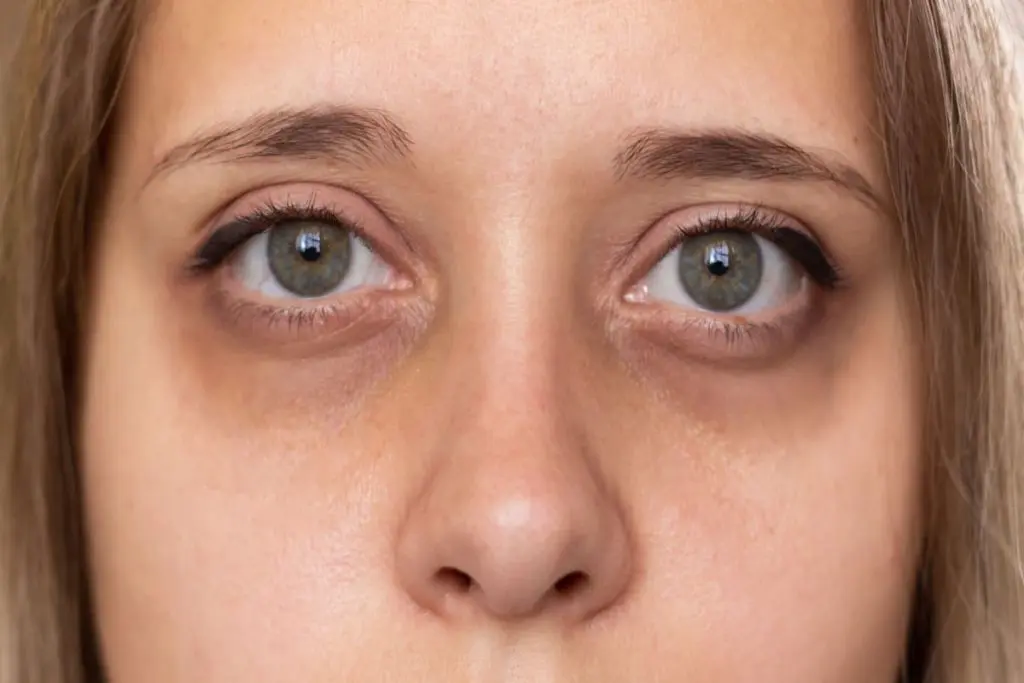
Dark circles occur when the skin beneath both eyes appears darker than usual. These circles are often more prominent when you’re tired. Other lifestyle factors that may contribute include smoking, excessive alcohol consumption, and stress.
Sometimes, what appears to be dark circles may be shadows cast by swollen eyelids or hollows beneath the eyes that develop with age. The darkened appearance can stem from a variety of factors. Fatigue and lack of sleep are primary culprits, as is the natural aging process which thins skin and makes blood vessels more visible. Genetics, dehydration, and eye strain from screens can also contribute. Allergies can trigger inflammation and worsen the appearance, while sun exposure can increase pigmentation, making the under-eye area more pronounced.
Who gets dark circles under the eyes?
Dark circles are a common concern affecting individuals across diverse demographics, though susceptibility varies based on a complex interplay of factors. While often associated with fatigue, sleep deprivation is merely one piece of the puzzle. Genetic predisposition plays a significant role, influencing skin pigmentation and the visibility of underlying blood vessels. Furthermore, the natural aging process thins the skin beneath the eyes, making blood vessels more prominent. Ethnicity also holds weight, as individuals with darker skin tones may experience hyperpigmentation, leading to pronounced shadows.
Beyond inherent and lifestyle influences, various external and internal conditions can exacerbate the appearance. Allergic reactions and conditions like eczema can trigger inflammation and increase under-eye darkness. Dehydration can also contribute by making blood vessels more visible. In some cases, underlying medical conditions or nutritional deficiencies might manifest with discoloration as a secondary symptom. Moreover, lifestyle choices such as excessive sun exposure, smoking, and alcohol consumption can accelerate skin aging and contribute to the development or worsening of under-eye concerns across a broad spectrum of individuals.
How are dark circles under the eyes diagnosed?
The diagnosis is typically a multi-faceted process, often initiated by self-assessment and sometimes requiring professional medical evaluation. Individuals usually first notice the discoloration themselves, observing the hue, texture, and persistence of the shadows beneath their eyes. This initial self-diagnosis involves considering factors such as the color of the circles – ranging from bluish to brownish or even blackish – and any associated features like puffiness or thinning skin. Such personal observations form the crucial first step in understanding and addressing the issue.
For a more definitive diagnosis, healthcare professionals, such as dermatologists or general practitioners, employ a systematic approach. This often entails a visual examination of the skin around the eyes, coupled with a detailed discussion of the patient’s medical history and lifestyle factors. Physicians will assess skin pigmentation, consider potential underlying medical conditions like allergies or thyroid issues that can contribute to the appearance, and inquire about habits such as sleep quality, diet, and sun exposure. In specific cases, advanced diagnostic tools may be utilized to gain a more detailed view of the skin’s structure and pigmentation, ensuring a thorough and accurate diagnosis.

Treatments for Dark Circles
Mild to moderate dark circles often respond well to habits and home remedies, such as:
- Putting something cold on the undereye area. Visible blood vessels may contribute to dark circles under your eyes. Try holding a cold, wet cloth against the area to help shrink the blood vessels. Or use a cold teaspoon or a bag of frozen peas wrapped in a soft cloth.
- Using products made to treat dark circles. Many eye products are available to buy without a prescription. While none are regulated by the FDA, they do use ingredients that have been shown in studies to reduce the appearance of dark circles to some degree. Look for the ingredients kojic acid, caffeine and vitamin K.
- Raising your head with pillows. When you go to bed, raise your head with pillows. This helps prevent puffiness caused by fluid pooling in your lower eyelids.
- Sleeping more. Although short nights alone don’t usually cause undereye circles, a lack of sleep may make shadows and circles you already have more obvious.
- Using sunscreen. Use a broad-spectrum sunscreen with an SPF of at least 30, even on cloudy days. Apply sunscreen generously. Reapply every two hours, or more often if you’re swimming or sweating. Many moisturizers contain sunscreen.
- Avoiding drinking too much alcohol. Alcohol overuse may contribute to dark circles under the eyes.
- Stopping smoking. If you smoke, try to quit. There are many options for stop-smoking services and products to help you quit.
- Treating any underlying medical conditions. Some conditions can contribute to dark circles. Examples are eczema and melasma. Talk with your healthcare team to get any such condition under control. This may help lessen the appearance of the dark areas.
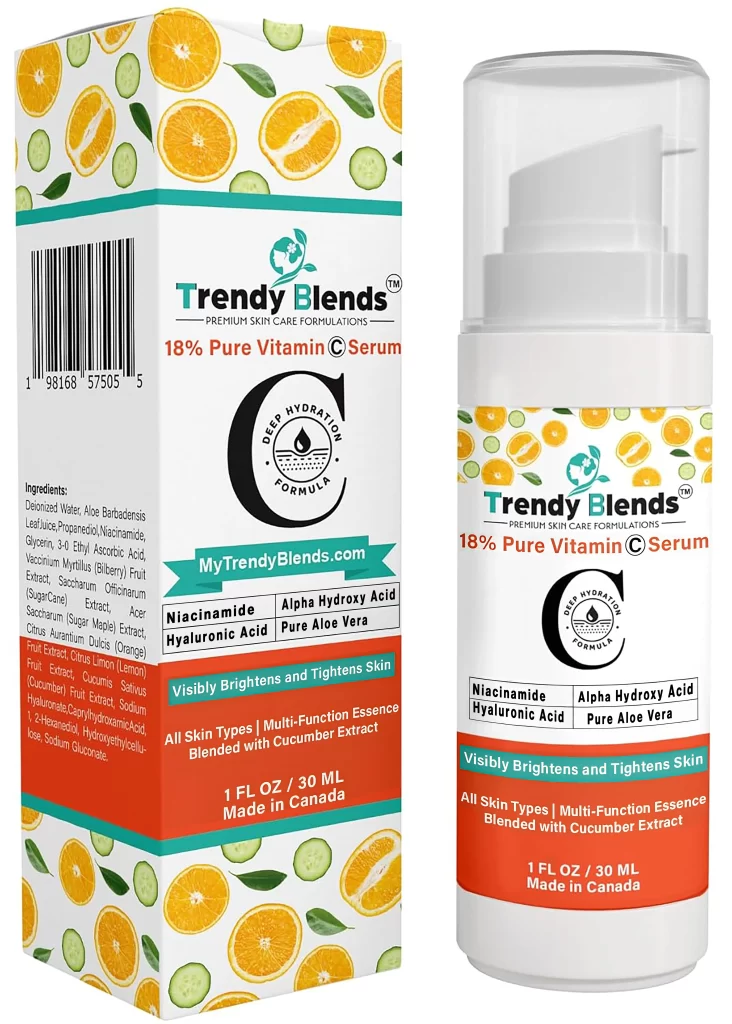
- Vitamin C serum has emerged as a popular topical remedy for addressing dark circles, and its efficacy is viewed from various angles. From a scientific perspective, its antioxidant properties combat free radicals, potentially reducing pigmentation and promoting collagen production, which can thicken the under-eye skin and lessen darkness. User experiences vary, with some reporting visible lightening of dark circles and improved skin texture after consistent use, while others see minimal impact. Dermatologists often recommend Vitamin C serum as a supportive treatment, emphasizing realistic expectations and the importance of addressing underlying causes like sleep deprivation and genetics for comprehensive dark circle management.
Dark circles under the eyes — Extra information
Dark circles, often perceived as mere cosmetic concerns, are multifaceted conditions influenced by a spectrum of factors. From a dermatological perspective, hyperpigmentation, thin skin revealing blood vessels, and shadows cast by under-eye bags contribute to their appearance. Lifestyle choices, such as sleep deprivation and dehydration, exacerbate these issues. Furthermore, from a systemic viewpoint, allergies, iron deficiencies, and even genetic predispositions play significant roles in the development and persistence of these under-eye discolorations, highlighting the complexity beyond simple tiredness.
Frequently Asked Questions
What causes dark circles under the eyes?
They’re often more noticeable when you’re tired, and smoking, excessive alcohol and stress may contribute. Sometimes they’re shadows cast by swollen eyelids or hollows under the eyes.
Who gets dark circles under the eyes?
They’re common across many groups of people. Fatigue is only one factor, and genetics play a significant role.
How can I reduce dark circles at home?
Mild to moderate dark circles often respond to simple habits, like holding a cold, wet cloth, a cold teaspoon or a bag of frozen peas against the area to help shrink visible blood vessels.
