
Table of Contents
Introduction.
Vitamin C Serum has emerged as a powerhouse ingredient in skincare, lauded for its antioxidant properties and its role in brightening the complexion, reducing pigmentation, and promoting collagen synthesis. Its popularity has led to the proliferation of vitamin C serums on the market, making it essential to understand the factors that affect their stability and efficacy. One significant aspect that often goes overlooked is the packaging of these products, which can greatly influence their shelf life and performance.
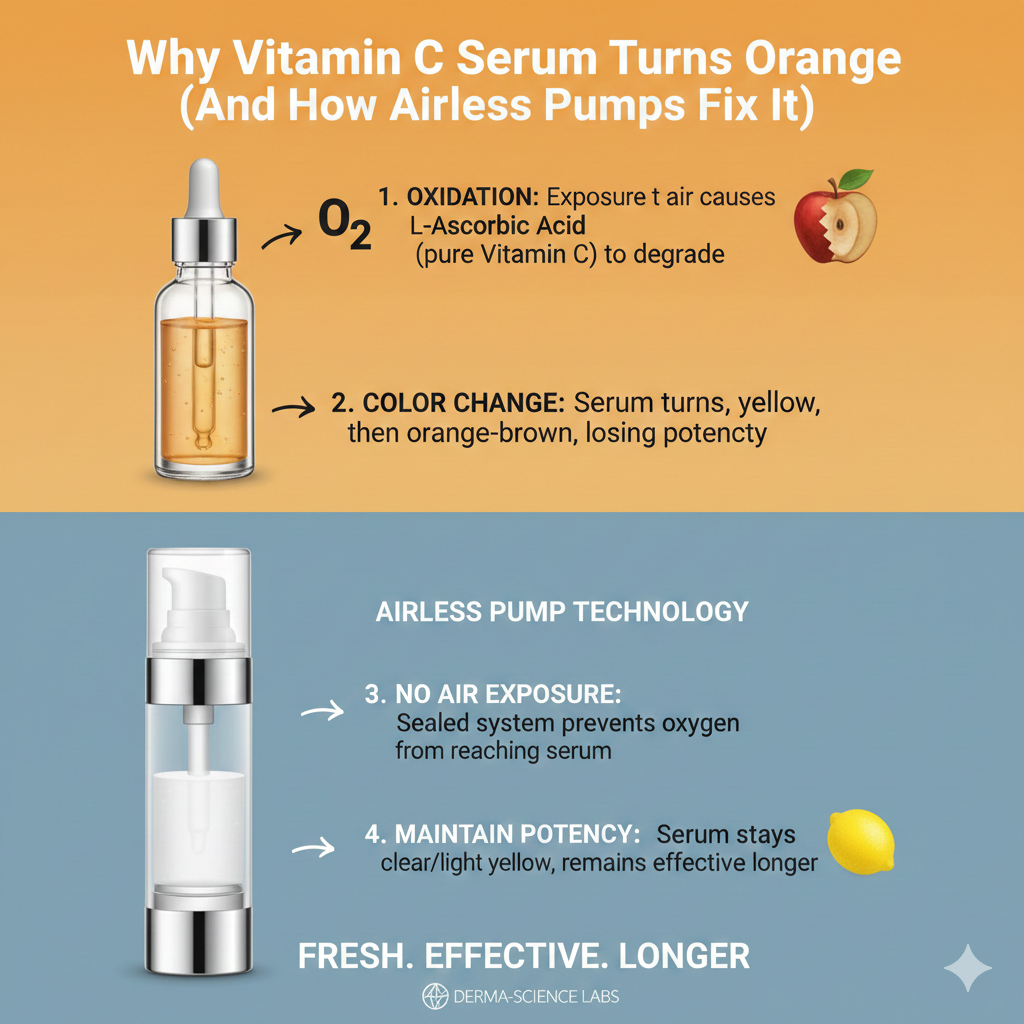
In this article, we will discuss the 7 Reasons Your Vitamin C Serum Turns Orange, emphasizing the importance of choosing the right packaging to maintain its effectiveness. Understanding the 7 Reasons Your Vitamin C Serum Turns Orange (and how airless pumps fix it) is essential for maintaining its potency and effectiveness.
Many users wonder about the 7 Reasons Your Vitamin C Serum Turns Orange (and how airless pumps fix it) and how this affects their skincare routine. In this section, we will cover the 7 Reasons Your Vitamin C Serum Turns Orange (and how airless pumps fix it) and how to ensure you maintain its quality.
To grasp the 7 Reasons Your Vitamin C Serum Turns Orange (and how airless pumps fix it), one must look into the chemical processes involved.
This article delves into the science behind the 7 Reasons Your Vitamin C Serum Turns Orange, focusing on the efficacy of airless pump technology in preserving these products. By exploring the chemical properties of vitamin C, the causes of its degradation, and the impact of packaging, we aim to offer consumers and manufacturers insights into how to maintain the integrity of these beneficial skincare items.
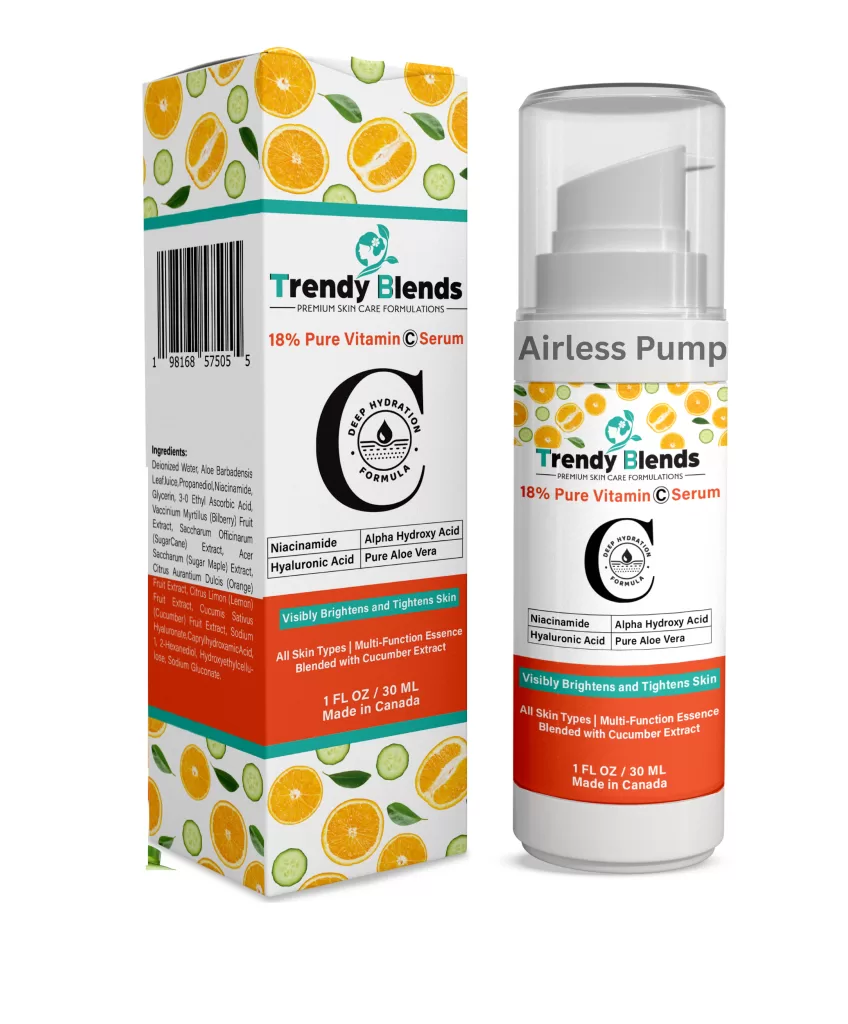
Better for you. Better for the formula. 🌿
Our signature Airless Pump Bottles are designed to eliminate the need for heavy synthetic preservatives by keeping air and light out.
- Preserves Integrity: Keeps “clean” ingredients stable.
- Precision Dispensing: One pump is all you need.
- Complete Usage: The internal vacuum disk pushes every bit of product to the top.

Understanding Vitamin C Stability
Why Your Vitamin C Serum Turns Orange (And How Airless Pumps Fix It)
Chemical Properties of Vitamin C
Understanding why your vitamin C serum turns orange (and how airless pumps fix it) is crucial for skincare enthusiasts.
Vitamin C, or ascorbic acid, is a water-soluble vitamin with a structure that is inherently unstable. It exists in a reduced form (ascorbic acid) and an oxidized form (dehydroascorbic acid). When exposed to air, light, or heat, ascorbic acid can quickly oxidize, leading to a reduction in its efficacy and a change in color, typically to yellow or brown. This oxidation process compromises not only the visual appeal of the serum but also its physiological benefits, rendering it less effective in achieving the desired results.
The molecular structure of vitamin C is characterized by a lactone ring and a hydroxyl group, which are essential for its antioxidant properties. However, this same structure makes the compound prone to oxidation, especially in the presence of environmental stressors. Thus, understanding its chemical behavior is crucial for formulating products that maintain potency over time.
Factors Affecting Stability
This discoloration is often a sign of why your vitamin C serum turns orange (and how airless pumps fix it).
Several factors contribute to the stability of vitamin C in skincare formulations. Exposure to light is a primary concern; ultraviolet rays can catalyze the oxidation of vitamin C, leading to rapid degradation. Likewise, oxygen exposure, particularly when the product is stored in traditional packaging that allows air ingress, can significantly affect the serum’s longevity. Temperature fluctuations also play a crucial role; higher temperatures can accelerate the degradation process. Furthermore, the pH level of the formulation can either stabilize or destabilize vitamin C, with lower pH levels generally favoring its stability.
Formulators often combat these issues by employing stabilizing agents or selecting derivatives of vitamin C, such as sodium ascorbyl phosphate or ascorbyl palmitate, which may offer greater stability. However, these derivatives may not provide the same level of potency as pure vitamin C, leading to a trade-off between stability and efficacy.
One key factor to consider is why your vitamin C serum turns orange (and how airless pumps fix it) to prevent wasting money on ineffective products.
Discoloration in Vitamin C Serums
Visual Indicators of Degradation
One of the most apparent signs of vitamin C degradation is discoloration. Fresh, stable vitamin C serums present as a clear or slightly yellow liquid, but as they oxidize, they can turn a deeper yellow, orange, or even brown. This color change is a direct indicator of the chemical reactions occurring within the serum, signaling to the consumer that the product may no longer be effective.
Discoloration can also be accompanied by changes in texture or the development of an unpleasant odor, further indicating that the product has degraded. Consumers are encouraged to regularly inspect their vitamin C products, as even slight discoloration can suggest that the serum is losing its beneficial properties.
Airless pumps have become a solution to why your vitamin C serum turns orange (and how airless pumps fix it).
Consequences of Discoloration
The consequences of using a degraded vitamin C serum extend beyond mere aesthetics. When vitamin C oxidizes, it not only loses its ability to neutralize free radicals but can also produce pro-oxidants that may lead to skin irritation or adverse reactions. Users may find that a serum that has changed color does not deliver the expected results, leading to dissatisfaction and potential harm to the skin.
Many consumers do not realize why their vitamin C serum turns orange (and how airless pumps fix it) until it’s too late.
Additionally, the financial implications of purchasing ineffective products can be significant. Consumers investing in high-quality vitamin C serums may find their investments compromised if the formulations are not adequately protected from environmental factors that lead to oxidation.
Packaging Solutions: The Role of Airless Pump Technology
How Airless Pumps Work
Airless pump technology offers a solution to the degradation issues associated with traditional packaging. Unlike conventional bottles that expose the product to air every time the pump is pressed, airless pumps utilize a vacuum mechanism that prevents air from entering the container. This design significantly reduces the exposure of vitamin C serums to oxygen, thereby minimizing the oxidation process.
Airless pumps are typically designed with a piston that rises as the product is dispensed, ensuring that every drop is utilized without compromising the remaining contents. This system not only preserves the stability of the serum but also enhances the overall user experience, as consumers can dispense the exact amount needed without wasting product.
Comparative Analysis: Airless vs. Traditional Packaging
When comparing airless pumps to traditional packaging solutions, several differences emerge. Traditional bottles, particularly those made of transparent materials with screw-top lids or dropper tops, allow light and air to penetrate, accelerating the degradation process. In contrast, airless packaging often employs opaque materials that shield the contents from light while preventing air exposure.
In a side-by-side comparison, airless pumps have been shown to significantly extend the shelf life of vitamin C serums. Studies indicate that serums packaged in airless containers maintain their clarity and effectiveness for a longer duration than those in traditional packaging. This distinction has prompted many skincare brands to consider airless technology as a standard practice for their vitamin C products.
Case Study Methodology
Selection of Vitamin C Serums
To evaluate the efficacy of airless pump packaging in preserving vitamin C serums, a case study was conducted involving several popular vitamin C products available in the market. The selection included a range of serums with varying concentrations of vitamin C, formulations, and packaging types, allowing for a comprehensive analysis of how different factors affect their stability.
The chosen products were sourced to ensure a mix of both airless pump and traditional packaging options. Each serum was subjected to the same environmental conditions throughout the study, ensuring that the variables affecting stability were controlled effectively.
Experimental Setup and Conditions
The serums were stored in a controlled environment with consistent temperature and humidity levels. Over a specified duration, the products were evaluated at regular intervals for changes in color, consistency, and efficacy through pH measurements and antioxidant activity tests. This systematic approach allowed for a clear comparison of how packaging influenced the degradation of vitamin C in different formulations.
Additionally, the study included sensory evaluations conducted by a panel of trained assessors to determine any noticeable changes in texture or scent, further contributing to an understanding of how packaging impacts product quality over time.
In conclusion, knowing why your vitamin C serum turns orange (and how airless pumps fix it) can empower your skincare routine.
Results of the Case Study
Observation of Discoloration Over Time
The results of the case study revealed a stark contrast between serums packaged in airless pumps and those in traditional packaging. The airless pump serums exhibited minimal discoloration over the evaluation period, maintaining their original clarity and light yellow hue. In contrast, the traditional packaging options showed significant discoloration, with some turning brown within a few weeks of opening.
Furthermore, the airless pump products demonstrated a consistent pH level, indicating that their chemical integrity remained intact. On the other hand, the traditional packaging serums displayed fluctuations in pH, correlating with the observed color changes and suggesting degradation of the active ingredient.
Efficacy Assessment of Airless Pump Packaging
Therefore, keep in mind why your vitamin C serum turns orange (and how airless pumps fix it) when shopping for skincare products.
In addition to discoloration, efficacy assessments showed that airless pump formulations retained their antioxidant activity better than their traditional counterparts. Tests measuring the serum’s ability to neutralize free radicals highlighted a marked difference, with airless pump serums outpacing traditional serums in maintaining antioxidant potency.
This data indicates that airless pump technology not only prolongs the visual appeal of vitamin C serums but also preserves their functional benefits, making it a superior choice for consumers seeking effective skincare solutions.
As highlighted, why your vitamin C serum turns orange (and how airless pumps fix it) is a vital consideration for longevity and efficacy.
Discussion
Implications for Consumers
Ultimately, understanding why your vitamin C serum turns orange (and how airless pumps fix it) will lead to better choices in your skincare.
For many, discovering why their vitamin C serum turns orange (and how airless pumps fix it) is crucial information.
The findings from the case study underscore the importance of packaging in the skincare industry, particularly for products containing sensitive ingredients like vitamin C. Consumers should be educated about the potential risks associated with using vitamin C serums housed in traditional packaging, as these products are more likely to degrade quickly and deliver subpar results.
Questions about why your vitamin C serum turns orange (and how airless pumps fix it) are common among skincare users.
Ultimately, the choice of packaging can significantly impact the user experience and the effectiveness of the product. By opting for serums in airless pump containers, consumers can ensure they are receiving the full benefits of vitamin C without the risks associated with oxidation.
Understanding why your vitamin C serum turns orange (and how airless pumps fix it) can make a significant difference.
Recommendations for Brands
For skincare brands, implementing airless pump technology should be considered a priority when formulating and packaging vitamin C serums. The investment in airless packaging not only preserves product integrity but also enhances brand reputation by demonstrating a commitment to quality and consumer satisfaction.
Many ask why their vitamin C serum turns orange (and how airless pumps fix it) as they explore the best options available.
Brands should also focus on educating consumers about the importance of packaging and the factors that contribute to vitamin C degradation. Providing clear labeling and information on how to store products can further empower consumers to make informed choices, ultimately benefiting both parties.
Conclusion
Summary of Findings
The investigation into the stability and efficacy of vitamin C serums has illuminated the critical role that packaging plays in preserving these valuable skincare products. Airless pump technology stands out as a superior option, significantly reducing exposure to air and light, thus mitigating the oxidation process. The results from our case study indicate that serums in airless pumps maintain their color, consistency, and efficacy much longer than those in traditional packaging.
Future Research Directions
As the skincare industry continues to evolve, further research is warranted to explore additional packaging innovations that could enhance the stability of sensitive ingredients. Investigating the potential of alternative materials and advanced technologies may lead to even more effective solutions for preserving product quality and performance.
In conclusion, both consumers and manufacturers can benefit from a greater understanding of how to protect and maximize the potential of vitamin C serums through informed choices about packaging. By prioritizing airless pump technology, the skincare industry can support the longevity of these cherished products while delivering optimal results to consumers.
Better for you. Better for the formula. 🌿
Our signature Airless Pump Bottles are designed to eliminate the need for heavy synthetic preservatives by keeping air and light out.
- Preserves Integrity: Keeps “clean” ingredients stable.
- Precision Dispensing: One pump is all you need.
- Complete Usage: The internal vacuum disk pushes every bit of product to the top.
FAQs
1. How can I tell if my vitamin C serum has degraded?
Look for changes in color, such as a shift to yellow, orange, or brown. Additionally, changes in texture or an off-putting odor may indicate degradation.
2. Is it safe to use a discolored vitamin C serum?
While it may not be harmful, a discolored serum likely has diminished efficacy. It’s best to avoid using products that have oxidized.
3. What is the shelf life of vitamin C serums?
The shelf life can vary based on formulation and packaging, but most vitamin C serums last between 3 to 12 months once opened.
4. Can I store my vitamin C serum in the fridge?
Yes, storing vitamin C serums in a cool, dark place, such as a refrigerator, can help prolong their stability and effectiveness.
5. Why are airless pumps better for vitamin C serums?
Airless pumps minimize exposure to air and light, significantly reducing oxidation and helping to maintain the serum’s potency and stability over time.