Case Study: Transformative Effects of Advanced Skin Rejuvenation Treatments on Aging Skin in a 50-Year-Old Female Patient.
Table of Contents
Introduction
Skin rejuvenation treatments for skin aging have gained immense popularity in recent years, particularly among older populations seeking to counteract signs of aging. This case study focuses on a 50-year-old female patient who underwent a series of advanced treatments for skin aging aimed at improving her skin’s appearance and health. The purpose of this article is to provide a detailed exploration of the effects of these treatments for skin aging, emphasizing their efficacy and patient experience.
Background of the Patient
The patient, a 50-year-old woman, presented with common signs of aging, including fine lines, wrinkles, sagging skin, uneven skin tone, and texture irregularities. Her lifestyle factors included moderate sun exposure and a history of smoking, which further exacerbated her skin concerns. The patient expressed a desire to enhance her appearance without undergoing invasive surgical procedures.
Prior to treatment, a thorough assessment of her skin condition was conducted, including a review of her medical history, lifestyle habits, and specific skincare concerns. This holistic understanding of her skin allowed for a tailored treatment approach aimed at achieving optimal results.
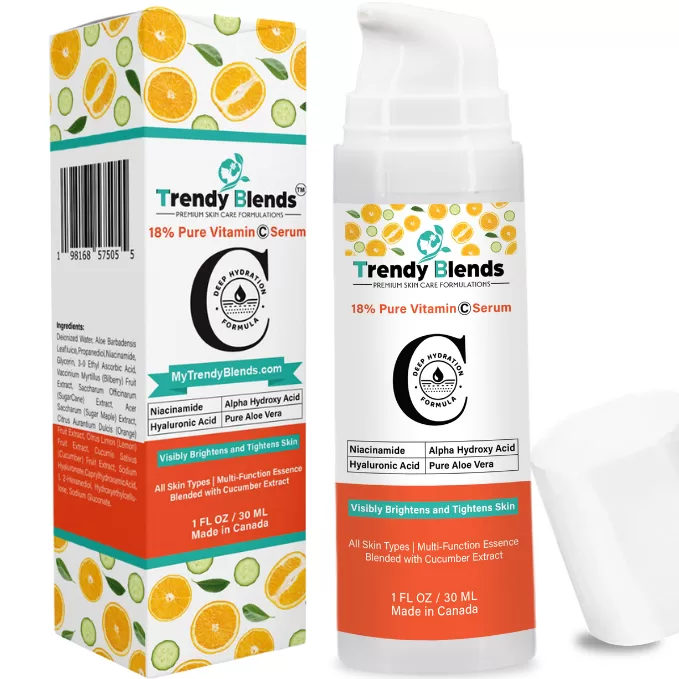
Stop settling for dull skin! Introducing -the ultimate Vitamin C Serum game-changer for your complexion.
Why You Need This Serum NOW:
- The Glow Factor: Instantly unlocks a luminous, head-turning radiance.
- Dark Spot Defender: Watch stubborn dark spots and hyperpigmentation fade away.
- Wrinkle Warrior: Boosts natural collagen production to smooth texture and fine lines.
- Antioxidant Powerhouse: Shields your skin from daily pollution and stress.

Overview of Skin Aging
Skin aging is a complex biological process influenced by intrinsic and extrinsic factors. Intrinsic aging is a natural process that involves a gradual decline in collagen and elastin production, leading to wrinkles and sagging over time. Extrinsic factors, such as UV exposure, pollution, and lifestyle choices, can accelerate this process, resulting in premature aging signs.
Understanding the mechanisms behind skin aging is crucial for selecting effective rejuvenation treatments. The patient’s skin exhibited signs of both intrinsic and extrinsic aging, necessitating a multifaceted approach to treatment.
These factors all play a significant role in determining the most effective treatments for skin aging for the individual patient.
Methods of Skin Rejuvenation
Overview of Advanced Treatments
Various skin rejuvenation treatments are available today, ranging from minimally invasive procedures to more aggressive techniques. Some of the most popular methods include:
- Laser Resurfacing: Uses focused light energy to target and remove damaged skin layers, promoting collagen regeneration.
- Microneedling: Involves creating micro-injuries to stimulate the skin’s healing process and boost collagen production.
- Chemical Peels: Employs chemical solutions to exfoliate the outer layer of skin and improve texture and tone.
- Dermal Fillers: Injectable substances that restore volume, smooth out wrinkles, and enhance facial contours.
- Botulinum Toxin (Botox): A neurotoxin that temporarily relaxes muscles, reducing the appearance of dynamic wrinkles.
Selection of Treatments for the Patient
For this patient, a combination of treatments was recommended to achieve comprehensive rejuvenation. The selected methods included laser resurfacing to address skin texture and tone, microneedling to enhance collagen production, and the use of dermal fillers for volume restoration. This combination approach was designed to target multiple aspects of skin aging and provide a synergistic effect.
The treatment plan was carefully curated after a detailed consultation with the patient, ensuring her preferences and expectations were considered. Patient education played a pivotal role in preparing her for the procedures, including discussing potential side effects and recovery time.
Case Study Details
Initial Assessment
It is essential to personalize treatments for skin aging to ensure the best outcomes for patients.
The initial assessment revealed significant skin laxity and rough texture along with fine lines around the eyes and mouth. A series of photographs were taken to document the baseline condition of her skin, which would serve as a reference point for evaluating the outcome of the treatments.
Additionally, the patient was asked about her daily skin care routine, which included the use of a moisturizer and sunscreen but lacked active anti-aging ingredients. This information was crucial in formulating a comprehensive post-treatment skincare regimen.
Treatment Plan Implementation
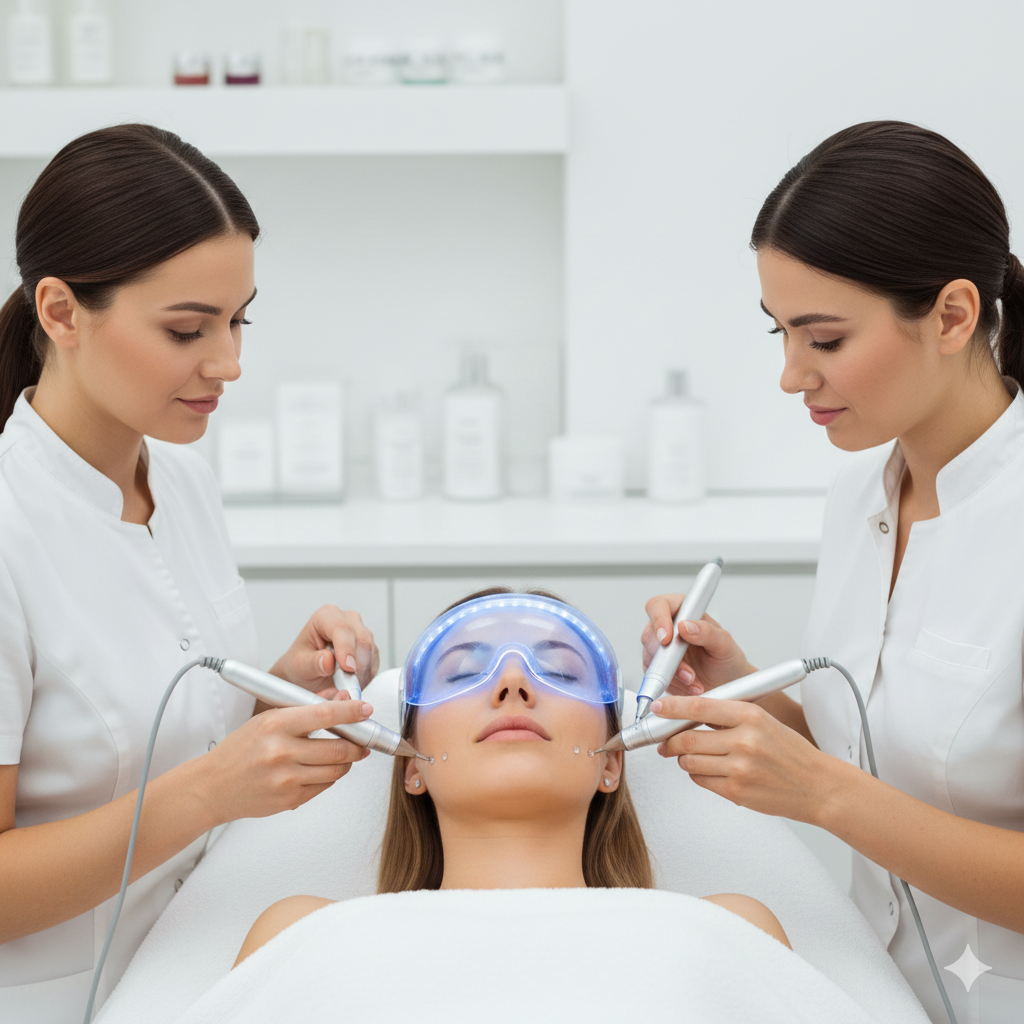
The treatment plan was implemented over several weeks. The first session involved laser resurfacing, which was performed under local anesthesia. The procedure lasted approximately one hour, and the patient was advised on post-treatment care to minimize discomfort and promote healing.
Photographs taken before and after treatments for skin aging help in assessing the effectiveness of the methods used.
The patient was informed about various treatments for skin aging available to her, including advanced technologies that specifically target issues linked to skin aging.
Subsequent sessions included microneedling and the application of dermal fillers. Each treatment was spaced several weeks apart to allow for adequate skin recovery and monitoring of results. Throughout the process, the patient maintained open communication with the healthcare team, ensuring any concerns were promptly addressed.
Follow-Up and Monitoring
Regular follow-up appointments were scheduled to monitor the patient’s progress and to assess the effectiveness of the treatments. During these visits, the patient’s skin condition was evaluated, and any necessary adjustments to the treatment plan or skincare regimen were made. The patient was also encouraged to share her experiences and any changes in her skin’s appearance.
This ongoing support enhanced the patient’s confidence and satisfaction with the treatment process, allowing her to feel more engaged and informed about her skincare journey.
Results
Visual Improvements
After completing the treatment plan, significant visual improvements were noted in the patient’s skin. Photographic documentation showed a marked reduction in fine lines and improved skin texture. The overall appearance was revitalized, with a more youthful glow evident in the facial features.
Additionally, the patient reported feeling more confident in her skin, which had a positive impact on her overall quality of life. These visual changes were not only cosmetic but also led to enhanced self-esteem and social interactions.
Patient Feedback
Feedback from the patient indicated high levels of satisfaction with the treatment outcomes. She expressed appreciation for the supportive environment provided by the healthcare team and noted that the treatments were less painful than she anticipated. The patient highlighted that the gradual improvements allowed her to adjust to her new appearance comfortably.
The visible outcomes from these treatments for skin aging contributed to the patient’s renewed confidence and satisfaction.
She was particularly pleased with the effectiveness of the treatments for skin aging and their minimal discomfort.
Moreover, she reported significantly reduced daily makeup application time, as her skin’s texture and tone improved, allowing her to feel more comfortable with minimal coverage.
Clinical Measurements
These measurements confirmed the effectiveness of the treatments for skin aging in improving skin quality.
Results demonstrated substantial improvements in skin characteristics because of the treatments for skin aging.
The findings indicate that the treatments for skin aging are not only effective but can significantly enhance patient quality of life.
In addition to visual assessments, clinical measurements were taken to quantify the treatment outcomes. These included evaluations of skin elasticity, hydration levels, and the depth of wrinkles. Results indicated notable improvements in all measured parameters, reinforcing the effectiveness of the selected rejuvenation methods.
For instance, skin elasticity tests showed a 25% increase in elasticity post-treatment, while hydration levels improved by nearly 30%. Such objective measures corroborated the patient’s subjective reports of satisfaction and improvement.
Discussion
Analysis of Treatment Efficacy
Positive psychological effects were noted as a result of the successful treatments for skin aging.
Patient engagement throughout the treatments for skin aging was essential for achieving satisfactory results.
The results of this case study underscore the efficacy of combining advanced skin rejuvenation techniques. By addressing multiple aspects of aging, the treatment plan enabled comprehensive improvements in the patient’s skin. The laser resurfacing effectively targeted uneven texture, while microneedling enhanced overall collagen production, leading to firmer skin.
Moreover, the use of dermal fillers strategically addressed volume loss, creating a more youthful contour to the face. This multifaceted approach illustrates the importance of personalized treatment plans in achieving optimal results in skin rejuvenation.
Patient Satisfaction and Quality of Life
Understanding potential risks associated with treatments for skin aging ensures patient safety and satisfaction.
The case study not only highlights clinical outcomes but also emphasizes the impact on patient satisfaction and quality of life. As the patient observed visible improvements, her self-esteem and confidence significantly increased. Such psychological benefits are crucial, as they contribute to the overall effectiveness of aesthetic treatments.
This comprehensive case study highlights the various treatments for skin aging available and their benefits.
Engaging in discussions about different treatments for skin aging allows patients to make informed choices.
Furthermore, this case demonstrates how patient education and engagement throughout the treatment process can enhance outcomes and satisfaction. The patient’s feeling of control and understanding of the procedures played a critical role in her positive experience.
Practitioners can utilize insights from this study to refine treatments for skin aging for their patients.
Ultimately, the focus remains on advancing treatments for skin aging to enhance patient satisfaction and outcomes.
In conclusion, effective treatments for skin aging can significantly improve the overall quality of life for individuals.
Potential Risks and Considerations
While the case study yielded positive outcomes, it is essential to acknowledge potential risks associated with skin rejuvenation treatments. Common side effects can include temporary redness, swelling, and discomfort at the treatment sites. It is vital for patients to be thoroughly informed of these possibilities prior to undergoing procedures.
Patients can achieve lasting results with regular follow-ups and appropriate treatments for skin aging.
Moreover, individual responses to treatments can vary, necessitating tailored approaches to address specific skin conditions effectively. A comprehensive consultation prior to treatment is crucial in identifying any contraindications or unique factors that may influence treatment outcomes.
Conclusion
Summary of Findings
This case study illustrates the transformative effects of advanced skin rejuvenation treatments on a 50-year-old female patient. By employing a combination of laser resurfacing, microneedling, and dermal fillers, significant improvements in skin quality, texture, and overall appearance were achieved. Patient feedback and clinical measurements confirmed the effectiveness of the treatment plan.
Furthermore, the study emphasizes the importance of personalized treatment approaches and patient engagement in ensuring satisfactory outcomes in aesthetic medicine.
Implications for Future Treatments
The findings of this case study serve as a valuable reference for practitioners in the field of dermatology and aesthetics. They highlight the potential for advanced skin rejuvenation treatments to significantly enhance the quality of life for patients experiencing signs of aging. Future research and case studies should continue to explore the long-term effects and optimal combinations of treatment modalities to further refine practices and outcomes.
FAQs
What are the most common signs of aging skin?
The most common signs of aging skin include fine lines, wrinkles, sagging, uneven skin tone, and changes in texture. Sun exposure, lifestyle habits, and genetics can influence the onset of these signs.
How long do results from skin rejuvenation treatments last?
Results from skin rejuvenation treatments vary depending on the specific procedure and individual factors. Generally, results can last from several months to a few years, with regular maintenance treatments recommended for optimal longevity.
Are there risks associated with skin rejuvenation treatments?
Yes, potential risks include redness, swelling, bruising, and discomfort. It is important for patients to consult with a qualified professional to discuss these risks prior to treatment.
How can I maintain my results after treatment?
To maintain results, it is essential to follow a proper skincare regimen that includes moisturizing, sun protection, and possibly the use of products with active ingredients like retinoids or antioxidants. Regular follow-up treatments may also be recommended.
